India’s top paper companies saw steady production but weaker financials in FY 2024–25, as strong operational performance contrasted with falling prices, higher costs, and intense import-driven pressure.

For an industry that has demonstrated resilience through cycles of demand volatility and raw-material disruptions, FY 2024–25 tested every dimension of the Indian paper and paperboard industry. The year unfolded under the shadow of surging imports, suppressed realisations, and sharply rising wood costs, pressures that adversely affected balance sheets even for some of the country’s most established producers. Annual reports from leading companies echo a shared sentiment: profitability was harder to come by, market dynamics were tougher to forecast, and operational agility became the most valuable competitive currency.
What makes FY25 particularly notable is not the presence of any one challenge, but the convergence of many. From ITC’s premium paperboards to integrated mills like TNPL and West Coast Paper Mills in the South, from large packaging-grade producers such as JK Paper and Emami Paper Mills to value-focused players across the East, North, and West, the refrain is unmistakably similar: volume stability could not compensate for price erosion. Even companies that saw healthy capacity utilisation or higher tonnage ended the year with weaker top lines and compressed margins.
About the Survey: Methodology, Scope, and Limitations
This report forms part of our biennial Top Paper Companies survey, an industry-focused exercise in which we rank India’s leading paper manufacturers, primarily on the basis of their turnover performance. The dataset is compiled from audited annual reports, quarterly financial results, investor presentations, and direct submissions from companies to ensure accuracy and comparability. While every effort is made to maintain methodological consistency, the survey is not exhaustive; it includes only those firms for which reliable and current data is available at the time of compilation. Differences in reporting formats, financial-year cycles, and limited disclosures from unlisted entities may also influence completeness. As such, the rankings should be viewed as indicative assessments that reflect the strengths, as well as the inherent limitations, of benchmarking an industry as diverse and dynamic as the Indian paper industry.
Disclaimer: Please note that several important mills have not been included in this survey due to various reasons, including but not limited to limited accessibility, lack of available data, or specific operational circumstances. The absence of these mills may impact the comprehensiveness of the results. We recommend considering this limitation when interpreting the findings of this survey.
Import Pressure: The Major Disruptor of FY 24–25
If there was a single factor that unified the industry narrative, it was the unrelenting surge of low-priced imports, particularly from China and ASEAN countries. Several company reports point out that imports have grown at double-digit rates year-on-year, reaching levels that disrupted the domestic supply–demand balance. These shipments, often priced significantly below domestic cost structures, triggered a chain reaction: eroding market realisations, forcing mills to recalibrate prices, and squeezing margins across product categories.
The impact was broad-based, affecting premium boards, writing & printing grades, and commodity packaging papers alike. Producers repeatedly highlighted that domestic prices remained “subdued” or “under pressure,” not due to weak operating performance but due to imported material arriving at a scale and pricing that the domestic market struggled to absorb.
For many companies, this overhang prevented a meaningful price recovery even when demand pockets showed signs of uptick. Mills that had historically relied on stable pricing found themselves promoting value-added, niche, or export-grade segments to offset the glut in commodity categories.

Watch: Top Paper Companies 2023
The Wood Story: Rising Prices, Falling Margins
While imports captured most of the market attention, wood prices quietly became the year’s most stubborn cost challenge. Across multiple annual reports, producers noted steep increases in wood cost, driven by a combination of lower plantation activity during and after the pandemic, rising competition from other wood-based industries such as plywood and veneer, regional supply imbalances, and variability in wood quality, which often forced mills to procure from farther distances. For integrated mills, this translated into both higher delivered costs and reduced predictability of supply.
Several companies reported that raw material costs increased at double-digit rates, diminishing profitability even when production volumes remained stable or grew. Since wood-based pulp continues to underpin the Indian integrated papermaking model, escalating fibre prices had a direct and immediate impact on margins. Mills that depend more heavily on recycled fibre faced their own version of volatility, as global wastepaper and pulp markets fluctuated sharply, offsetting the traditional cost advantage enjoyed by non-wood-based operations.
Demand Pockets Held, But Realisations Lagged
If there was one silver lining in FY25, it was that demand did not collapse. Writing & printing grades remained stable, supported by the education cycle, institutional consumption, and steady government procurement. Packaging boards found steady traction in FMCG, pharma, and retail-linked demand. Tissue and specialty papers grew slowly but consistently.
However, companies repeatedly underlined a critical disconnect: volumes grew but realisations did not. Mills across the country reported higher tonnage but lower turnover, an unusual but telling combination. This pattern illustrates that the year’s core challenge was not market access or product offtake, but pricing discipline in an oversupplied environment.
Packaging grades were especially volatile. Some producers described the segment as having faced “heightened competition,” while others noted that imports had created an “excess supply” situation that prevented price recovery even during peak demand periods. Writing & printing grades, though stable, did not deliver the premium margins many mills traditionally relied on.
Financial Metrics Reflect the Structural Strain
Across the reports reviewed, a consistent financial pattern emerges across the major paper companies. Turnover growth remained flat or even declined for many mills, as lower price realisations outweighed stability or growth in volumes. EBITDA margins contracted, sometimes sharply, due to the combined impact of subdued pricing and rising raw-material costs, particularly wood. Profitability indicators such as PAT and ROCE also weakened, reflecting the persistent squeeze between falling realisations and escalating input costs. In several cases, inventories increased because weaker price traction slowed market offtake, while credit cycles lengthened as downstream industries took longer to absorb finished goods or release payments.
Even companies known for strong operational discipline, with high plant availability, energy-efficient processes, and steady production, were unable to fully counter the financial drag created by sector-wide price compression. Yet the year was not without positive signals. Debt-reduction efforts continued, liquidity buffers strengthened, and investments in debottlenecking and capacity upgrades remained on track. These actions indicate that mills are positioning themselves for eventual recovery rather than stepping back from long-term strategic commitments.
Strategic Responses: How Mills Adapted
The industry’s resilience was evident in the strategic adjustments mills made during FY 2024–25, with product-mix upgradation emerging as one of the most prominent responses. Many companies accelerated their shift toward higher-value segments such as specialty papers, high-performance boards, pharma and food-grade varieties, and export-oriented products. This realignment helped insulate parts of their portfolios from the intense price swings affecting commodity grades and offered more stable realisations in markets less exposed to import-led pressures.
Cost rationalisation became another central pillar of adaptation. Mills intensified efforts around energy optimisation, fibre-yield improvement, and supply-chain efficiency, recognising that operational discipline could partially offset the margin erosion caused by rising raw-material costs. Several companies implemented structured cost-reduction programmes across their facilities, enabling them to maintain operational continuity even as external market conditions remained difficult.
Export expansion also featured prominently in industry strategies. With domestic pricing under pressure from low-cost imports, many producers looked outward to strengthen their presence in international markets. Exports helped balance inventories, supported price stability, and provided alternative demand centres, especially for copier papers and select specialty products.
Sustainability and certification investments continued despite the challenging financial environment, underscoring the sector’s long-term orientation. Companies advanced initiatives in plantation expansion, water circularity, renewable energy usage, and waste minimisation. These efforts not only reinforced environmental commitments but also improved operational resilience, reduced future risks, and strengthened brand positioning among environmentally conscious customers.
Water stewardship also showed clear progress during FY 2024–25, with several mills reporting lower specific water consumption through expanded recycling loops, improved condensate recovery, and more efficient effluent treatment. Producers such as ITC PSPD, Emami Paper Mills, Pudumjee Paper Products Limited and TNPL demonstrated that significant reductions in freshwater use are possible even amid operational and market pressures, indicating a positive shift toward more resource-efficient manufacturing across the sector.
Strengthening wood security was another area of priority, particularly for integrated mills. Several companies expanded their farm forestry networks, introduced improved clonal varieties, and enhanced support to growers through field demonstrations and extension programmes. These initiatives form part of a broader, multi-year strategy to stabilise wood availability, reduce cost volatility, and anchor sustainable fibre sourcing for the future.
Also Read: Paper Mart Emagazine Oct-Nov, 2025
The Road Ahead: A Sector Preparing for Structural Rebalancing
Despite the challenges of FY 2024–25, the medium- to long-term outlook reflected in company annual reports remains cautiously optimistic, supported by several structural drivers that continue to underpin growth prospects for the Indian paper industry. One of the most significant of these drivers is the sustained rise in packaging demand. The rapid expansion of e-commerce, organised retail, pharmaceuticals, and consumer goods has reinforced the need for high-quality paperboard, and the accelerating shift from plastic to sustainable, fibre-based packaging offers integrated mills a clear long-term opportunity to grow volumes and move into higher-value segments.
The education sector continues to be a stabilising force for writing and printing paper. Although digitalisation introduces a gradual moderating effect, India’s demographic strength, expanding student population, and continued demand for notebooks, textbooks, and office stationery ensure that this segment remains an essential pillar of baseline demand. The underlying consumption cycle in education and government procurement provides a degree of predictability that helps mills balance fluctuations in other categories.
Rising environmental consciousness is creating fresh momentum and market opportunity across specialty paper and board grades. Consumers, brands, and regulators are increasingly favouring biodegradable, recyclable, and responsibly sourced materials, prompting a shift toward sustainable packaging solutions. This shift is likely to reward producers who have invested in certified fibre sourcing, eco-friendly product development, and circular manufacturing practices.
The industry also watches the policy environment closely. Several companies have expressed optimism that calibrated government action may address long-standing import anomalies that have weakened domestic price realisations. Anti-dumping measures, enhanced quality standards, and stronger monitoring of FTA-linked imports could help restore competitive parity and enable domestic mills to compete on a more equitable footing with global suppliers operating under different cost structures.
Even amid the year’s financial pressures, companies continued to invest in capacity expansion and modernisation, signalling long-term confidence. Mills are upgrading assets, enhancing pulping capacity, strengthening plantation linkages, and improving product lines to stay competitive in both domestic and export markets. These investments suggest that, despite near-term volatility, the industry is preparing for structural rebalancing and positioning itself for the next phase of growth driven by sustainability, efficiency, and demand diversification.
FY 2024–25 may be remembered as a year when the Indian paper industry confronted a rare combination of pricing stress, input inflation, and uneven demand, all at once. But it was also a year that revealed the industry’s strategic discipline. Whether in maintaining high-capacity utilisation, pursuing product diversity, strengthening agro-forestry linkages, or defending liquidity positions, paper manufacturers demonstrated organisational resilience.
FY 2024-25 PERFORMANCE SUMMARY
| Mill Name | Turnover (₹ in Cr) | Production Capacity (MTPA) | Actual Production (MT) | EBITDA (₹ in Cr) | Growth Turnover (%) |
|---|---|---|---|---|---|
| ITC Limited – PSPD | 8422.81 | 970000 | – | – | – |
| JK Paper Limited | 7120.20 | 761000 | 810000 | 1036.28 | 1.71 |
| Tamil Nadu Newsprint & Paper Ltd | 4490.91 | 600000 | 614572 | 525.17 | -4.24 |
| West Coast Paper Mills Ltd | 2250.00 | 320000 | 318590 | 409.59 | -7.22 |
| Bindals Group | 2205.48 | 470600 | 403506 | 216.21 | 25.23 |
| Emami Paper Mills Ltd | 1928.04 | 340000 | 309400 | 147.55 | -3.30 |
| Khanna Paper Mills Ltd | 1900.30 | 400000 | 364715 | 54.69 | -12.56 |
| Seshasayee Paper & Boards Ltd | 1754.00 | 255000 | 246431 | 181.00 | -2.70 |
| N R Agarwal Industries Ltd | 1659.03 | 490000 | 384880 | 142.44 | 28 |
| Andhra Paper Ltd | 1541.24 | 259400 | 232861 | 223.29 | -14.00 |
| Satia Industries Ltd | 1512.00 | 219000 | 215520 | 289.46 | -12.00 |
| Kuantum Papers Ltd | 1113.00 | 164250 | 160861 | 249.00 | -8.5 |
| Trident (Paper & Chemicals Division) | 1053.94 | 175000 | 143320 | ~~185.6 | -12.20 |
| Sillverton Industries Ltd | 998.4 | 270000 | 185510 | 159.48 | 13.5 |
| Orient Paper & Industries Ltd | 896 | 100000 | – | -5.00 | 7.7 |
| Genus Paper & Boards Ltd | 849.15 | 450000 | – | 69.72 | 30.43 |
| Pudumjee Paper Products Ltd | 809 | 72000 | 67200 | 145 | 3.06 |
| Ruchira Papers Ltd | 659.23 | – | 151577 | 107.11 | 0.25 |
| Shreyans Industries Ltd | 616.77 | 94000 | 87250 | 87.33 | -11.80 |
| Sripathi Paper & Boards Pvt Ltd | 590.6 | 264000 | 136463 | 49.1 | 2.5 |
| Dev Priya Industries Ltd | 449 | 200000 | 141400 | 13.15 | 8.83 |
| Star Paper Mills Ltd | 436.34 | 75000 | ~~67000 | 60.79 | -1.80 |
| Pakka Ltd | 406.04 | 39100 | 41707 | 91.9 | 0.32 |
| Jani Sales Pvt Ltd | 285 | 56000 | 54000 | 56 | 31 |
- For TNPL, the actual production in FY25 is 614,572 MT. During the year, the Paper production was 425166 MT, and the Packaging Board plant production was 189406 MT (Page 136, Annual Report 25).
- West Coast has overall INR 2501 Cr and INR 499.70 Cr for Turnover and EBITDA, respectively, for FY25 and includes the sales and EBITDA components of their optical fiber cable segment. Turnover for FY24 of Paper & Paperboard division was INR 2427 Cr.
- Bindals Group includes data of 4 mills: Bindals Papers Mills Limited, Tehri Pulp & Paper Limited, Agarwal Duplex Board Mills Limited, Bindals Duplex.
- Kuantum Papers’ Turnover of INR 1113 Cr includes “other income”.
- Pakka Ltd’s Turnover, EBITDA, & Net Worth includes pulp, paper, and tableware outputs.
Disclaimer: Please note that several important mills have not been included in this survey due to various reasons, including but not limited to limited accessibility, lack of available data, or specific operational circumstances. The absence of these mills may impact the comprehensiveness of the results. We recommend considering this limitation when interpreting the findings of this survey.
ITC Limited – Paperboards and Specialty Papers Division
Enduring Value
| Year of Establishment: | 1979 |
| Headquarter: | Hyderabad, Telangana (Divisional HQ) |
| Mill Location: | Unit Bhadrachalam, Telangana Unit Kovai, Tamil Nadu Unit Tribeni, West Bengal Unit Bollaram, Telangana |
| Branch Location: | Hyderabad, Bengaluru, Mumbai, New Delhi, Kolkata, Ahmedabad, Chennai |
| Product Portfolio: | Virgin & recycled paperboards, barrier-coated boards, specialty and graphic boards, plastic substitution products, writing & printing paper and specialty paper |
| Export Footprint: | ~ 50 countries |
| Raw Material Base: | Wood from sustainably managed plantations, waste paper |
| Specific Water Consumption: | 28.0 m³/MT (17% reduction over FY19) |
| Manufacturing Profile (Paper & Paperboard) | |
| Production Capacity (MTPA)* FY25 | 9,70,000 |
| Financial Performance (₹ in Cr) for Paperboard, Paper and Packaging combined | |
| Turnover: FY25 | 8,422.8 |
*Production Capacity includes only saleable finished output, i.e.,Paper and Paperboard.
CSR Activities with regards to Environment, Society, and Employee Welfare
Environment
- ITC is committed to minimising the environmental footprint of its operations and maximising its contribution to nurturing natural resources. All ITC businesses, including ITC PSPD units, are dedicated to continuously improving their environmental performance. Beyond its operations, ITC PSPD focuses on both ends of the value chain with two large scale initiatives – the Afforestation Programme to ensure sustainable raw material sourcing, and WOW (Wellbeing-out-of-Waste) which aims to improve urban solid waste management.
- ITC PSPD has spearheaded the large-scale Afforestation Programme that provides a sustainable source of fibre along with contributing to natural resources replenishment, supporting the Company’s climate action plan, as well as in supporting the generation of gainful livelihoods.
- In addition, it also enables effective import substitution by creating pulpwood plantations in India. Over the years, this programme has also assisted farmers to turn their unproductive land assets into profitable and renewable plantations, using clonal saplings specially developed by ITC R&D to grow in harsh conditions. ITC is a willing buyer of the produce, though the growers are free to sell to the highest bidder in the open market.
- By enriching natural resources, supporting livelihood and building competitiveness of the business through a sustainable fibre value chain, this innovative programme exemplifies ITC commitment to renewal of natural resources.
- The Afforestation Programme has cumulatively covered 1.3 million acres, sequestered around 6.4 million MT of CO2 and supported 241 million-person days of employment for rural households.
- In terms of traceability: }
➤ Approximately 81% of the fibre produced in Bhadrachalam is from wood sourced from ITC’s Forestry initiatives.
➤ The fibre used at the Kovai Unit is either recycled or reclaimed fibre.
➤ Overall, 100% of the fiber used by ITC PSPD is of known and legal origin. All four manufacturing Units of the PSPD have obtained the FSC® Chain of Custody certification and have complied with all the requirements during the year, thereby sustaining ITCs position as the leading supplier of FSC®– certified paper and paperboards in India. - ITC’s WOW (Wellbeing-out-of-Waste) initiative promotes awareness about the importance of source segregation, recycling and composting, and establishes systems to enable effective practice. Working in collaboration with local municipalities, waste handlers and ragpickers are trained to provide efficient collection service that covers virtually all segments: household, offices, schools, hospitals. Commercial establishments, etc.
➤ In FY25, 67,100 MT of dry waste was collected while promoting Sustainable livelihoods for 17,800 waste collectors.
➤ During FY25, ITC collected and sustainably managed 76,000 MT of plastic waste in India, enabling us to sustain the position of Plastic Neutrality for the 4th year in a row.
Society
In FY 25, ITC PSPD has been:
Promoting education & vocational training
- Provision of notebooks and text books under Vidya Jyothi scheme which has benefited more than 18000 children
- Provision of infrastructure facilities at Government schools in the vicinity
- Upgradation of infrastructure and amenities in the ITI campuses in the district
- Construction of District Library building and supply of books
- Recognition of merit performances in the tribal girl students through scholarships
- Provision of bicycles to the tribal girl students in government schools
Rural infrastructure development
- Construction of washroom blocks in the government colleges, tribal welfare residential colleges in the catchment villages
- Construction of rural bus shelters in multiple villages of Bhadradri Kothagudem
- Construction of overhead water tanks in catchment villages
- Construction of Community Halls and rehabilitation centers in catchment villages
Preventive healthcare and sanitation
- Construction of storm water drains in the catchment villages
- Strengthening of infrastructure in the Primary Healthcare Centers and Community Healthcare centers
- Provision of Thalassemia diagnostic kits and Sickle Cell Anemia diagnostic test kits to the catchment villages
Making provisions for disaster management
- Provision of necessary equipment for flood mitigation
- Set up of rehabilitation centers and supply of necessary grocery provisions for affected families
CSR investments in primary education, health & sanitation, and women’s empowerment improved rural livelihoods, with special focus on strengthening rural health infrastructure and vocational training.
Employee Welfare
For employee welfare and capability building, ITC focused on skill upgradation, diversity & inclusion, and workplace safety. Regular training programmes, well-being initiatives, and recognition systems were highlighted to foster a high-performance, caring workplace culture.
New Developments in FY24 & FY25
- During the year, ITC signed a Business Transfer Agreement to acquire Century Pulp & Paper (CPP) from Aditya Birla Real Estate Limited (‘ABREL’) at Lalkuan (Nainital, Uttarakhand).
- Renewable Energy Adoption
➤ Over the years, ITC has been investing in renewable energy projects to meet both electricity and thermal energy requirements.
➤ ITC-PSPD’s Bhadrachalam unit recently commissioned the state-of-the-art and future-ready High Pressure Recovery Boiler. As India’s first such system, the HPRB has been progressively helping enhance energy efficiency and renewable energy share at the mill. - ITC PSPD’s Bollaram Unit sources 100% of its electricity from renewable sources.
- State-of-the-art Coater machine installed at Bollaram enabled commercialisation of compostable Filo products.
- Commercial production of the fast-growing premium Moulded Fibre Products (MFP) commenced at ITC Fibre Innovations Limited (IFIL) (Badiyakhedi facility).
Product Launches in FY24 & FY25
- ITC PSPD’s recyclable and compostable Filo series viz. FiloPack, FiloServe, FiloTub, FiloBev, FiloBowl have been gaining immense popularity in an environmentally conscious customer base. We recently augmented the portfolio of plastic substitution products by adding ‘FiloBev Mini,’ an innovative barrier coated paperboard designed specifically for small cups.
- We introduced the Cyber Oak range, high-quality folding box boards that stand out for their natural earthy aesthetic and superior strength crafted with enhanced bulk and stiffness.
- We added to our Eco range of recycled paperboards with 6 new variants viz. Eco Indigo, Eco Polar, Eco Polar Hi White, Eco Breeze, Eco Supreme and Eco True Liner made from 100% recycled fibres, excellent for all kinds of packaging applications.
- ITC Fibre Innovations Limited (IFIL), a subsidiary of ITC, is unlocking a new paradigm in sustainability with its flagship Moulded Fibre Products range: Fyba.
JK Paper Limited
Creating Lasting Impressions
| Year of Establishment: | 1938 |
| Headquarter: | New Delhi, Delhi |
| Mill Location: | Unit JKPM, Rayagada, Odisha Unit CPM, Fort Songadh, Gujarat Unit SPM, Sirpur Kaghaznagar, Telangana |
| Carton & Packaging: | Pune, Ludhiana, Daman, Ahmedabad, Silvassa |
| Conversion Units: | Neelankarai, Chennai (Packaging labels manufacturing facility) |
| Branch Location: | New Delhi (North), Kolkata (East), Mumbai (West), Chennai (South) |
| Number of Employees* | 10,000 |
| Product Portfolio: | Office and copier paper, writing and printing paper, coated paper and boards, packaging board solutions, and carton board, container board & labels solutions |
| Export Footprint: | More than 62 countries |
| Raw Material Base: | Wood (virgin fiber), waste paper |
| Specific Water Consumption: | 22.6 m³/MT |
| Manufacturing Profile (Paper & Paperboard) | |
| Production Capacity (MTPA)** | FY24: 7,61,000 FY25: 7,61,000 |
| Actual Production (MT) | FY24: 8,00,000 FY25: 8,10,000 |
| Financial Performance (₹ in Cr) | |
| Turnover: | FY24: 7,000.26 FY25: 7,120.20 |
| EBITDA: | FY24: 1,842.86 FY25: 1,036.28 |
| Net Worth: | FY24: 5,212 FY25: 5,655 |
| Turnover Growth: | 1.71% |
*Employees are permanent employees and workers.
**Production Capacity includes only saleable finished output, i.e., paper and board.
CSR Activities With Regards to Environment, Society, and Employee Welfare
- The company enhanced its green cover through its social farm forestry programme. Its social farm forestry initiative actively contributes to expanding green cover while improving farmer livelihoods. During the year under review, the company supported tree plantations covering over 87,840 acres across Odisha, Andhra Pradesh, West Bengal, Telangana, Maharashtra, Gujarat, and Chhattisgarh.
- The company continues to invest in renewable energy sources, including solar and wind, to reduce reliance on fossil fuels and lower its carbon footprint. Having achieved wood- and carbon-positive status, the company exemplifies leadership in sustainable industrial practices.
- In 2024-25, the company achieved 100% sustainable sourcing of raw materials. This included FSC® 100% certified wood from its carefully managed group plantations, as well as verified controlled wood from suppliers across states.
- JK Paper empowered women across Rayagada (Odisha), Gajraula (Uttar Pradesh), and Tapi (Gujarat) by forming thousands of self-help groups (SHGs) and producer organisations, mobilising over 19,000 women through livelihood initiatives such as tailoring, spice-making, dairy, handicrafts, and agro-based enterprises; these efforts collectively generated substantial savings, credit linkages, and business revenues, enhanced social security coverage, and fostered financial independence and skill development, establishing a strong model of inclusive and sustainable women-led community development.
- JK Paper advanced youth empowerment in Rayagada, Odisha, by establishing 48 youth clubs, 30 balika mandals, and 11 digital learning centres, training thousands of young people in IT, tailoring, driving, bamboo jewellery making, and entrepreneurship, facilitating INR 5.25 crores in livelihood loans, creating over 2,300 direct and 9,500 indirect jobs, and fostering a new generation of skilled, employable, and socially engaged rural youth through sustained capacity-building and awareness programmes.
New Developments in FY24 & FY25
- JK Paper is setting up a BCTMP Mill at Unit CPM, Songadh, Gujarat, having capacity of 125,000 ADMT per annum. Project is going on as per the schedule and expected to be commissioned during the second half of the financial year 2025-26.
- The company acquired Manipal Utility Packaging Solutions Pvt Ltd (MUPSPL), now JKPL Utility Packaging Solutions Pvt. Ltd. (JKUPSPL).
- The company acquired the remaining 15% equity stake in its subsidiary companies, HPPL and SPPL. Following this acquisition, both HPPL and SPPL became wholly owned subsidiaries of the company w.e.f. 17th May 2024.
- It started production of corrugated boxes at its greenfield facility in Ludhiana (under its subsidiary – JKPL Packaging Products Ltd).
- During the final quarter of 2024-25, JK Paper completed the acquisition of Radheshyam Wellpack in Pune, adding 27,000 MT of corrugated capacity. This acquisition brought the group’s total corrugated capacity to 3,50,000 MT, with over 65% of revenue derived from the FMCG segment.
- The company expanded rigid box manufacturing lines in Chennai and Ahmedabad. The company expects to grow revenues 26% y-o-y in the current financial year.
- JK Paper diversified into animal health nutrition, and feed additives business with the acquisition of Quadragen Vethealth Pvt. Ltd (QVPL).
Product Launches in FY24 & FY25
- Launched a range of innovative, sustainable packaging solutions, including Aqueous Barrier and Biopolymer Coated Boards
- Recent introductions include Antifungal Board, Antifungal Stiffeners, Cigarette Board, 2PE Coated Boards, and PFAS-free hygienic food wrapping paper under the PACK FRESH Brand, designed to offer high oil and grease resistance while adhering to global food safety and sustainability standards.
Tamil Nadu Newsprint & Paper Limited
Where Technology goes hand-in-hand with Nature
| Year of Establishment: | 1979 |
| Headquarter: | Guindy, Chennai, Tamil Nadu |
| Mill Location: | Unit I (Kagithapuram) Karur, Tamil Nadu Unit II (Mondipatti), Thiruchirapalli, Tamil Nadu |
| Branch Location: | Ernakulam, Hyderabad, Bengaluru, Mumbai, Delhi, Kolkata and Ahmedabad |
| Number of Employees* | 2855 |
| Product Portfolio: | Office and copier paper, writing and printing paper, packaging board |
| Export Footprint: | 50 countries |
| Raw Material Base: | Wood, bagasse, and waste paper |
| Specific Water Consumption: | 27.6 m3/MT |
| Manufacturing Profile (Paper & Paperboard) | |
| Production Capacity (MTPA)** | FY25: Unit I (Kagithapuram): 400,000 (W&P paper) Unit II (Mondipatti): 200,000 (Packaging board) |
| Financial Performance (₹ in Cr) | |
| Turnover: | FY24: 4,690 FY25: 4,491 |
| EBITDA: | FY24: 839 FY25: 525 |
| Net Worth: | FY24: 2,090 FY25: 2,087 |
| Turnover Growth: | (-)4.24% |
*Employees are permanent employees and workers.
**Production Capacity includes only saleable finished output, i.e., paper and board.
CSR Activities With Regards to Environment, Society, and Employee Welfare
- TNPL has already implemented backward integration to meet the raw material requirement by enhancing farm forestry and captive plantations in the farmlands to ensure that this is a well-balanced process. The partnership between industry and farmers has resulted in a win-win situation because it has produced positive outcomes for both parties. By implementing backward integration, TNPL established high yielding clonal pulpwood plantations to achieve the Sustainable Development Goals (SDGs). As on 31st March, 2025, the existing pulpwood plantations under company fold is 78,402 acres involving 18,054 farmers.
- In line with its commitment to environmental sustainability and renewable energy, TNPL is fully self-sufficient in power generation, producing 103.62 MW at Unit I and 50 MW at Unit II, with surplus electricity exported to the grid. The company has progressively expanded its wind energy capacity from 15 MW in 1993–94 to 35.5 MW, and is currently installing 1 MW rooftop solar power plants at both units, further strengthening its renewable energy portfolio.
- TNPL has utilized 1,51,247 MT of internally generated organic waste such as bagasse pith, wood dust, pulpwood bark etc., in the Power Boilers, which resulted in conservation of 49,791 MT of imported coal.
- In the 2024-25 period, a total of 192 training programs were conducted, encompassing 2,583.5 mandays. These sessions covered a wide range of topics tailored to empower employees at various stages of their career. From enhancing technical expertise to cultivating leadership potential, the programs aimed at equipping our workforce with the tools necessary to navigate the complexities of the industry.
- In line with TNPL’s commitment to skill development and improving youth employability, the company continues to engage graduate, diploma, and sandwich course for students (SIT students) as apprentices, as per the Board of Apprenticeship Training, Chennai. Additionally, the company provides training opportunities for ITI Apprentices under the guidance of the Assistant Director of Training and the District Skill Training Offices of Karur/Trichy, as mandated by the Apprentices Act, 1961.
New Developments in FY24 & FY25
- Tissue Paper Project at Unit II: TNPL is setting up a 100 TPD state-of-the-art tissue paper machine with auxiliaries at Unit II at an estimated cost of INR 340 crore. The facility will produce premium tissue grades ranging from 13 to 40 GSM, primarily from high-quality in-house hardwood pulp. Orders for the equipment have been placed, manufacturing is underway, and commissioning is targeted for March 2026.
- Steam and Power System Revamp at Unit I: To modernize its utility infrastructure and ensure reliable steam and power supply, TNPL is undertaking a phased revamp of the existing steam and power system at Unit I, replacing the original low-pressure boilers (in use since 1985) with two high-pressure boilers (125 TPH each, 105 ata, 525°C) and a 42 MW turbo generator. Under Phase I, one high-pressure boiler has been ordered and is under manufacturing, with commissioning expected by March 2026.
Product Launches in FY24 & FY25
- New improved copier with better smoothness and stiffness
- Aura print with better opacity, bulk and higher brightness
- Vivid print with better opacity and bulk
- Copy crown (copier +) with better smoothness and caliper
- High bulk board for induction wed purpose
- High bulk superior quality cup stock
West Coast Paper Mills Limited
Your Partner in Progress
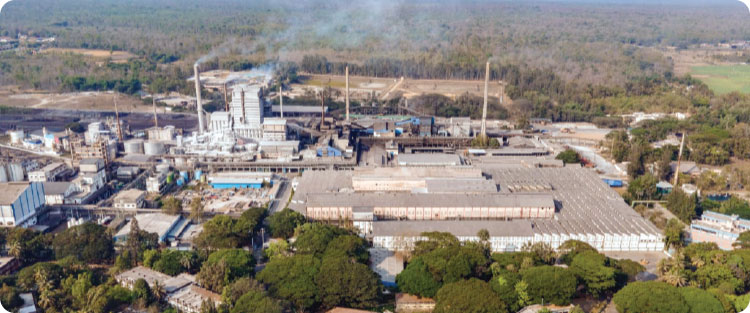
| Year of Establishment: | 1955 |
| Headquarter: | Kolkata, West Bengal |
| Mill Location: | Dandeli, Uttara Kannada, Karnataka |
| Branch Location: | New Delhi, Mumbai, Chennai, Bangalore, Hyderabad |
| Number of Employees* | 2463 |
| Product Portfolio: | Paper and paper board |
| Export Footprint: | Over 15 countries |
| Raw Material Base: | Pulp wood and waste paper |
| Specific Water Consumption: | 46 m³/MT |
| Manufacturing Profile (Paper & Paperboard) | |
| Production Capacity (MTPA)** | FY25: 320,000 |
| Actual Production (MT) | FY25: 318,590 |
| Financial Performance (₹ in Cr)*** | |
| Turnover: | FY24: 2614.90 FY25: 2,501.60 |
| EBITDA: | FY24: 752.43 FY25: 499.70 |
| Net Worth: | FY24: 2,480.46 FY25: 2,704.82 |
| Turnover Growth: | (-)4.33% |
*No. of Employees includes permanent employees and workers only.
**Production Capacity includes only saleable finished output, i.e., paper and board.
*** These figures includes the sales and EBITDA components of their optical fiber cable segment. Turnover for Paper Division is INR 2,250 crore and EBITDA is INR 409.59 crore, for FY25.
CSR Activities With Regards to Environment, Society, and Employee Welfare
- The company’s farm forestry programme supported over 1,050 rural farmers, resulting in the planting of 150 lakh seedlings and saplings. Through its extensive plantation and forestry efforts, WCPM strengthened green cover, promoted biodiversity restoration, and improved the socio-economic conditions of participating rural communities.
- The company invested INR 34.05 crore in upgrading its Effluent Treatment Plant (ETP), reinforcing its focus on water conservation, treatment efficiency, and wastewater recycling within mill operations.
- WCPM advanced resource circularity by reusing 35,852 MT of chipper dust (biomass) generated during wood chipping as a substitute for coal in power boilers, accounting for about 10% of the total fuel used for power generation. In addition, ETP sludge was utilised in hardboard and egg-tray manufacturing, and CO₂ from the limekiln was converted into PCC for use in papermaking.
- WCPM’s farm forestry, local employment, and welfare-linked CSR initiatives contributed significantly to livelihood generation and community well-being in and around the Dandeli region.
- The Company employs 969 permanent employees and 1,494 workers (FY 2024–25), with regular safety meetings and audits conducted by departmental and central safety committees chaired by the Executive Director.
New Developments in FY24 & FY25
- WCPM achieved a production of 3,18,590 MT, representing 99.6% capacity utilization.
- The company undertook the renovation of its Paper Machine No. 4 (PM4), converting it from an MG (Machine Glazed) configuration to an MF (Machine Finished) setup, integrated with a size press and calendaring system, and designed to incorporate the possibility of a barrier coating facility for future value-added applications.
- WCPM upgraded its ETP by adding a new aeration tank to enhance retention time in the aeration system, installing two Matangi cooling towers to minimize pulp mill effluent temperature, and commissioning a new secondary clarifier to support the expanded aeration system for improved treatment efficiency.
- The mill implemented several cost-reduction and water-saving schemes, including the reuse of Chemical Recovery Plant FFE-2 process condensate ‘A’ in the new fibre line for pulp washing, resulting in a water saving of about 1,700–1,800 m³ per day, and the reuse of PM3 vacuum pump sealing water for pulp dilution in the new fibre line, achieving an additional saving of around 400 m³ per day.
Product Launches in FY24 & FY25
- Wesco Rangoli shrink wrap Yellow (75 gsm)
- Wesco Prime without MG (135-190 gsm)
- Wesco Coated Prime without MG (150-210 gsm)
- Wesco UHB (BT) (140-160 gsm)
Bindals Group
PASSION, PLANET, PAPER
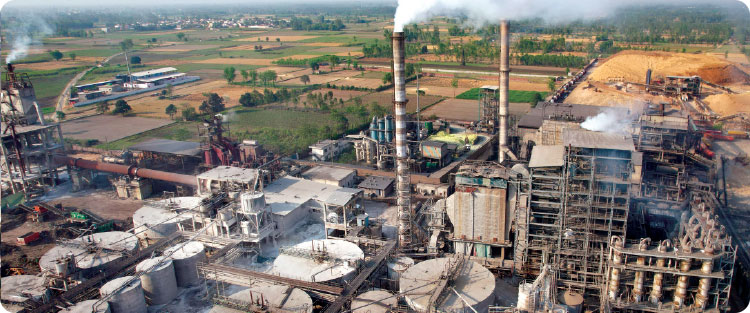
| Year of Establishment: | 2009 |
| Headquarter: | Bindals Papers Mills Limited, 8TH KM, Bhopa Road, Muzaffarnagar,Uttar Pradesh |
| Mill Location: | Bindals Papers Mills Limited, Muzaffarnagar, Uttar Pradesh Tehri Pulp & Paper Limited, Muzaffarnagar, Uttar Pradesh Agarwal Duplex Board Mills Limited, Muzaffarnagar, Uttar Pradesh Bindals Duplex, Muzaffarnagar, Uttar Pradesh |
| Number of Employees* | 2,423 |
| Product Portfolio: | White uncoated woodfree paper, surface sized paper, copier paper, kraft paper, duplex paper |
| Export Footprint: | 10-15% of total production exported to more than 42 countries with main focus on UK, Europe, Middle East and African markets |
| Raw Material Base: | Bagasse/wheat straw & waste paper |
| Specific Water Consumption: | 12-15 m³/MT |
| Manufacturing Profile (Paper & Paperboard) | |
| Production Capacity (MTPA)** | FY25: 4,70,600 |
| Actual Production (MT) | FY25: 4,03,506 |
| Financial Performance (₹ in Cr) | |
| Turnover: | FY24: 1,761.17 FY25: 2,205.48 |
| EBITDA: | FY24: 184.79 FY25: 216.21 |
| Net Worth: | FY24: 561.67 FY25: 646.14 |
| Turnover Growth: | 25.23% |
*No. of Employees includes permanent employees and workers only.
**Production Capacity includes only saleable finished output, i.e., paper and board.
*** Turnover denotes the revenue generated from primary business operations, often termed sales, operating revenue, or revenue from operations in financial statements.
CSR Activities With Regards to Environment, Society,and Employee Welfare
- Working for eradication of hunger
- Contribution in education for socially backward and poor children
- Working towards increasing income of farmers through different programs
New Developments in FY24 & FY25
- Capacity expansion by 1,00,000 MTPA by end of 2026
- Bio-methanation plant is operational which is largest in Indian pulp & paper industry
Product Launches in FY24 & FY25
- High bulk book printing paper for publishing and notebook segment
*Inputs provided by Bindals Group
Emami Paper Mills Limited
Enhancing Value
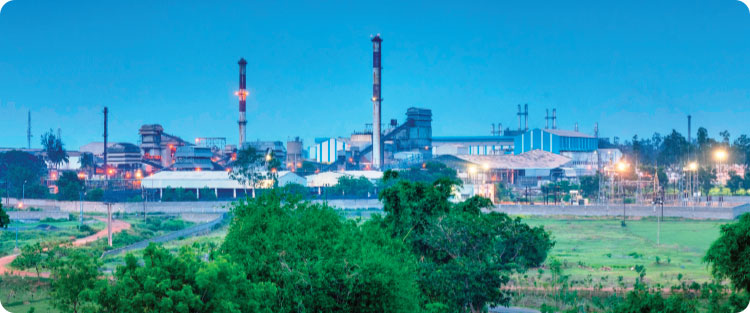
| Year of Establishment: | 1981 |
| Headquarter: | Kolkata, West Bengal |
| Mill Location: | Balasore, Odisha |
| Number of Employees* | 1075 |
| Product Portfolio: | Writing & printing paper, packaging board, and newsprint |
| Export Footprint: | 12 countries |
| Raw Material Base: | Waste paper, wood pulp |
| Specific Water Consumption: | 10.88 m3/MT |
| Manufacturing Profile (Paper & Paperboard) | |
| Production Capacity (MTPA)** | FY25: 340,000 |
| Actual Production (MT) | FY25: 309,400 |
| Financial Performance (₹ in Cr) | |
| Turnover*** | FY24: 1,993.84 FY25: 1,928.04 |
| EBITDA: | FY24: 240.15 FY25: 147.55 |
| Net Worth | FY24: 774.11 FY25: 677.72 |
| Turnover Growth | (-)3.3% |
*No. of Employees includes permanent employees and workers only.
**Production Capacity includes only saleable finished output, i.e., paper and board.
*** Turnover denotes the revenue generated from primary business operations, often termed sales, operating revenue, or revenue from operations in financial statements.
CSR Activities With Regards to Environment, Society, and Employee Welfare
- Emami Paper targets 33% green cover, runs an in-house nursery, distributes 65,000 saplings to 10,420 families across 44 villages, operates 20 recharge wells and real-time effluent monitoring linked to CPCB/OSPCB.
- Emami Paper increased renewable usage via co-generation power and recycled fibre, invested in sewage and waste recycling (biodegradable, plastics, e-waste), and recently won the Odisha State Energy Conservation Award 2024.
- Emami Paper’s CSR delivered health, education and women’s empowerment: reached 578 rural women across 20 villages, organised 15 mega allopathy camps, installed sanitary facilities in four hostels, aided 122 specially-abled.
- Emami Paper established a computer training academy, engaged 1,250 students through Youth4Water, and ran Nav-Pratibha and Leaders for Tomorrow programmes to build leadership pipelines and employable technical skills at scale.
New Developments in FY24 & FY25
- The coating-blade angle was modified with a global blade vendor to eliminate blade lines and surface streaks on paperboard.
- The DIP-3 pulper rotor was redesigned, delivering approximately a 15% capacity increase while improving fibre slushing and reducing fibre loss.
- The DIP-3 screening system was upgraded with smaller slotted baskets and reduced fine-screen slots to cut stickies and improve paper-machine runnability.
- Multiple PM and plant efficiency works, including condensate-recovery improvements, a sand-pit for centricleaner reject, and filler-layer drive modifications, increased equipment life and reduced energy and water losses.
- IMCC, MCC and PCC electrical systems were upgraded and obsolete drives/panels were replaced to support new equipment and improve electrical reliability.
- Machine-level modifications , such as air dryer installation, hydraulic power-pack replacements, hoist upgrades, and turbine cooling-tower revamps, improved instrument reliability, energy efficiency, and reduced vibration.
- Ongoing investments maintain machine fungibility across grades and scale lower-GSM, higher-spec products to support higher volumes and premium segments.
Product Launches in FY24 & FY25
- Oil & Grease Resistant (OGR) paper
- Pharma-print paper
- Interleaving paper
- Lower-GSM papers with improved properties
- Specialty / value-added grades (pharma, OGR, others)
- Glamkot product (export supply approval)
- Pathway to FDA / food-safe and other certifications. R&D is developing FDA-compliant paperboards and other certifications to enable entry into regulated global markets (pharma, food).
*Inputs Sourced From Annual Reports
Khanna Paper Mills Ltd.
Touching Lives Everyday
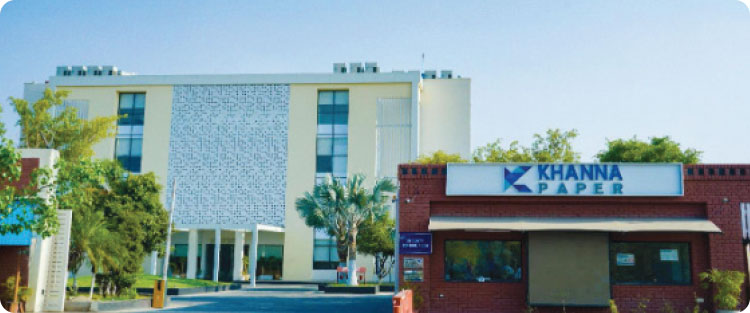
| Year of Establishment: | 1985 |
| Headquarter: | Gurugram, Haryana |
| Mill Location: | Amritsar, Punjab |
| Number of Employees* | 1185 |
| Branch Location: | Amritsar, Punjab |
| Product Portfolio: | Packaging boards/packaging paper, writing & printing papers, newsprint (newspaper grade) |
| Export Footprint: | Exports to various international markets, including Sri Lanka, Nepal, Egypt, Kenya, etc. |
| Raw Material Base: | Recycled fibre, virgin pulp |
| Specific Water Consumption: | 7.5 – 8.0 m3/MT |
| Manufacturing Profile (Paper & Paperboard) | |
| Production Capacity (MTPA)** | FY25: 400,000 |
| Actual Production (MT) | FY25: 3,64,715 |
| Financial Performance (₹ in Cr) | |
| Turnover*** | FY24: 2,173.26 FY25: 1,900.30 |
| EBITDA: | FY24: 267.95 FY25: 54.69 |
| Net Worth: | FY24: 766.55 FY25: 714.80 |
| Turnover Growth: | -12.56% |
*No. of Employees includes permanent employees and workers only.
**Production Capacity includes only saleable finished output, i.e., paper and board.
*** Turnover denotes the revenue generated from primary business operations, often termed sales, operating revenue, or revenue from operations in financial statements.
CSR Activities with Regards to Environment, Society, and Employee Welfare:
- Promoting health care including preventive health care
- Skill development
- Sports promotion
- Environment sustainability
- Poverty eradication
- Rural development
- Availability of drinking water
New Developments in FY24 & FY25:
- Energy efficient turbo blowers by replacing liquid ring vacuum pumps (2 Turbo blowers by replacing 20 liquid ring vacuum pumps)
- New generation Master Jet 4 Tech head box for the first time in India by Voith on one of the W&P paper machine.
- New MG cylinder installation on the board machine for superior quality (top surface finish).
- Under layer new plant by Voith with the capacity of 110TPD.
- SCADA & Mill wide dashboards for efficiency improvement.
- Refiner automation by BTG (Voith) for energy conservation and quality consistency.
- New Milltex Synchro fly sheet cutter installation and commissioning.
New Product Launches in FY24 & FY25:
- Book/Novel Publication Paper (BPP)
- Graphica High Bulk Paper (GHB)
- Shine Folding Box Board (S|FBB)
*Inputs provided by Client
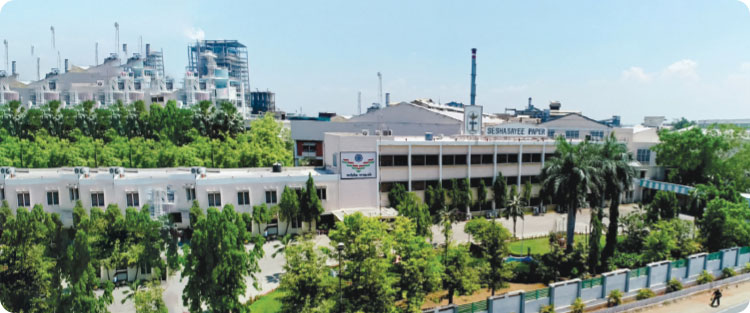
Seshasayee Paper And Boards Limited
Fine Papers – Lasting Impressions
| Year of Establishment: | 1960 |
| Headquarter: | Pallipalayam, Namakkal District, Tamil Nadu |
| Mill Location: | Unit Erode: Pallipalayam, Namakkal, Tamil Nadu Unit Tirunelveli: Mukkudal, Tirunelveli, Tamil Nadu |
| Branch Location: | Chennai, Madurai, Ernakulam, Bangalore, Hyderabad, Mumbai, New Delhi |
| Number of Employees* | 1023 |
| Product Portfolio: | Writing & printing paper, packaging board, specialty & branded papers, copier paper, MG grades |
| Export Footprint: | 37 countries |
| Raw Material Base: | Pulp wood, bagasse, waste paper |
| Specific Water Consumption: | 44.29 m³/MT |
| Manufacturing Profile (Paper & Paperboard) | |
| Production Capacity (MTPA)** | FY25: 165,000 Unit – Erode 90,000 Unit – Tirunelveli 255,000 – Total |
| Actual Production (MT) | FY25: 246,431 |
| Financial Performance (₹ in Cr) | |
| Turnover*** | FY24: 1,802 FY25: 1,754 |
| EBITDA: | FY24: 391 FY25: 181 |
| Net Worth: | FY24: 1,838 FY25: 1,912 |
| Turnover Growth: | (-)2.7% |
*No. of Employees includes permanent employees and workers only.
**Production Capacity includes only saleable finished output, i.e., paper and board.
*** Turnover denotes the revenue generated from primary business operations, often termed sales, operating revenue, or revenue from operations in financial statements.
CSR Activities With Regards to Environment, Society, and Employee Welfare
- Seshasayee Paper & Boards Ltd (SPBL) continued to advance sustainable raw material sourcing through its large-scale clonal propagation and forestry initiatives. During FY25, the company expanded its clonal plant production capacity from 22 lakh to 55 lakh seedlings by adding three automated chambers and introduced alternative raw materials such as Senna spectabilis, Beema bamboo, and Silver Oak for pulping, steps aimed at improving fibre yield and ensuring long-term resource security.
- SPBL strengthened its green-energy portfolio by increasing the contribution of renewable and recovered energy in overall consumption. The Chemical Recovery Complex accounted for 55.01 percent of total energy needs, while biomass use added another 4.89 percent, taking total green-energy utilisation to 59.9 percent. The company also replaced LPG with 100 percent biogas in its canteen and initiated projects to install solar and wind power plants to further reduce grid dependence.
- The company maintained its focus on circular-economy practices by improving resource recovery and waste utilisation. Continuous operation of the de-inking plant enhanced methane generation in the anaerobic digester, resulting in an estimated reduction of 550 tonnes of coal consumption, while efforts to raise the biomass share in the fuel mix to 25 percent are underway to further lower the environmental footprint of energy use.
- The company’s CSR activities spending during FY 2024-25 was INR 6.76 crores, focussing on improving living standards in neighbouring communities through programmes in education, health, sanitation, rural infrastructure, and technical training. Guided by a Board-approved CSR Policy, SPBL also contributed to Central and State Government relief funds, reinforcing its commitment to community welfare and inclusive regional development.
- SPBL’s human-capital strategy emphasised continuous learning and leadership development for its employees. Regular workshops and training programmes were organised to enhance professional competence and quality of life, supported by initiatives in diversity, succession planning, and inclusion. Facilities such as an in-house gym and recreation club, managed by the Staff Club Committee, further contributed to holistic employee well-being and engagement.
New Developments in FY24 & FY25
- SPBL approved a INR 405-crore MDP-IV (Phase I) at Erode to enhance pulp and paper capacity by 20 percent, including India’s first Wet ESP installation for advanced emission control.
- SPBL acquired Servalakshmi Paper through NCLT, taking possession of the Tirunelveli mill in May 2023, with revival and refurbishment underway to expand capacity and strengthen product diversification.
- At Erode, SPBL upgraded boilers and recovery systems with electrostatic precipitators, improved effluent treatment, and proposed additional wastewater facilities under MDP-IV to reinforce sustainability compliance.
- SPBL achieved record output of 2,46,431 tonnes in FY25, operating at 103 percent capacity at Erode and 84.5 percent at Tirunelveli, underscoring improved efficiency and stable plant performance.
Product Launches in FY24 & FY25
- Super Print (High Bulk): A premium, high-bulk printing paper offering enhanced stiffness, opacity, and superior print quality.
- Stiffener Board (NS): Newly developed board for soap wrapping and industrial packaging with improved strength and finish.
- 60 GSM High-Bright Copier: Export-grade copier paper for the U.S. market, delivering higher brightness and smoother texture.
- 70 GSM High-Bright Copier: Domestic premium copier paper designed for high whiteness, uniform formation, and sharper print results.
- Surface-Sized Copier Range: Fully transitioned copier line with improved surface strength and printability across all brightness grades.
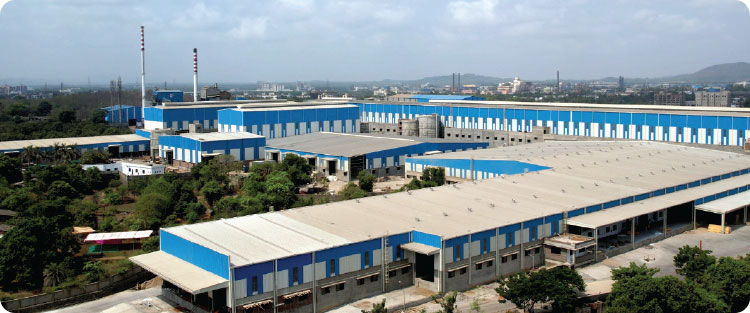
N R Agarwal Industries Limited
Waste Redefined
| Year of Establishment: | 1993 |
| Headquarter: | Mumbai, Maharashtra |
| Mill Location: | Unit I: Vapi, Valsad, Gujarat Unit V: Sarigam & Angam, Valsad, Gujarat Unit V (PM2): Sarigam, Valsad, Gujarat |
| Branch Location: | Mumbai |
| Number of Employees* | 1432 |
| Product Portfolio: | Duplex board, writing & printing paper, copier paper |
| Export Footprint: | 33 countries |
| Raw Material Base: | Waste paper, wood pulp |
| Manufacturing Profile (Paper & Paperboard) | |
| Production Capacity (MTPA)** | FY25: 490,000 |
| Actual Production (MT) | FY25: 384,880 |
| Financial Performance (₹ in Cr) | |
| Turnover*** | FY24: 1,293.13 FY25: 1,659.03 |
| EBITDA: | FY24: 185.59 FY25: 142.44 |
| Net Worth: | FY24: 760.29 FY25: 774.59 |
| Turnover Growth: | 28% |
*No. of Employees includes permanent employees and workers only.
**Production Capacity includes only saleable finished output, i.e., paper and board.
*** Turnover denotes the revenue generated from primary business operations, often termed sales, operating revenue, or revenue from operations in financial statements.
CSR Activities With Regards to Environment, Society, and Employee Welfare
- N R Agarwal Industries Limited continued its focus on resource efficiency and conservation. The company optimized its steam and condensate recovery systems to lower steam usage per ton of paper and installed high-pressure showers to reduce water consumption. The operation of the reverse osmosis (RO) plant was also optimized to minimize operational costs and dependence on fresh water, reflecting its commitment to sustainable water use and process efficiency.
- The company advanced its renewable and energy-saving measures through the installation of a plastic-waste-based boiler with a 7.6 MW turbine, effectively reducing coal consumption. Additionally, a sludge drying system was introduced to utilize paper-waste sludge as a supplementary fuel, leveraging its calorific value for energy generation. These initiatives contributed to lower carbon intensity and improved utilization of waste as a resource.
- NRAIL’s CSR strategy emphasized making a positive impact in the regions surrounding its operations, particularly in Vapi and Sarigam. The company implemented initiatives in education, preventive healthcare, sanitation, and environmental sustainability. It also undertook activities aimed at improving the living conditions of rural communities, in line with its broader commitment to social responsibility and inclusive development.
- Recognizing the importance of a skilled workforce, the company conducted training programs throughout the year to enhance both technical and behavioural competencies. These sessions covered areas such as leadership, customer orientation, safety, values, and adherence to the code of conduct. The initiatives aimed to prepare employees for technological changes and strengthen overall organizational capability.
- During FY 2024–25, the company’s CSR expenditure totalled INR 162 lakhs across key focus areas. This included INR 51.50 lakhs for healthcare initiatives, INR 66 lakhs for education, and INR 44.50 lakhs directed towards infrastructure, cultural, and environmental projects. The spending aligned with the activities specified under Schedule VII of the Companies Act, 2013, reflecting a balanced approach to social and environmental contribution.
New Developments in FY24 & FY25
- During FY 2024–25, N R Agarwal Industries Ltd completed a major milestone with the commissioning of its greenfield paperboard project at Sarigam, Gujarat. The INR 850–1,000 crore investment created India’s largest single-location paperboard machine, with a capacity of 900 TPD (≈240,000 TPA). Commissioned in March 2024, the new unit quickly achieved 95 percent utilization, reflecting smooth stabilization and strong market acceptance.
- The expansion was funded through INR 665 crore of debt and internal accruals, structured over seven years. It also included a 7.5 MW captive power plant that uses plastic waste from recovered paper and a 34 TPH boiler with a sludge-drying system. These measures significantly lowered coal consumption, reduced environmental load, and halved power generation costs compared to grid electricity.
- In addition to the greenfield project, the company initiated a INR 150 crore balancing program to upgrade its pulp mill and converting sections, with completion targeted for September 2025. These upgrades aim to enhance production efficiency, quality consistency, and long-term cost competitiveness. Despite the closure of Unit IV at Vapi, total production rose sharply to 384,880 MT in FY 2025, supported by full-scale operations of the new board machine.
- Looking ahead, N R Agarwal Industries Ltd is exploring the establishment of a second large greenfield paperboard unit with a higher configuration. The proposal remains at the evaluation stage, with the company indicating that it plans to replicate its proven model of investing during a sectoral downcycle to secure competitive capital costs.
Product Launches in FY24 & FY25
- In FY 2023–24, N R Agarwal Industries Ltd prepared to diversify into value-added board varieties, aiming to replace imports and cater to premium packaging demand through its new high-capacity manufacturing line.
- In FY 2024–25, the company launched Folding Box Board (FBB) marking its entry into value-added, high-quality packaging board segments for domestic and export markets.
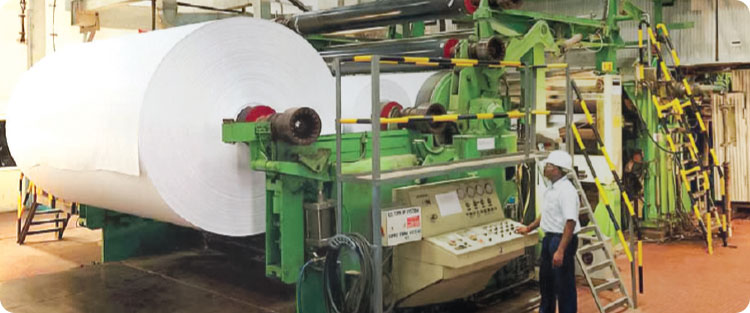
Andhra Paper Limited
Serving you with Pride
| Year of Establishment: | 1964 |
| Headquarter: | Rajahmundry, East Godavari, Andhra Pradesh |
| Mill Location: | Unit 1: Rajahmundry, Andhra Pradesh Unit 2: Kadiyam, Andhra Pradesh |
| Number of Employees* | 1969 |
| Product Portfolio: | Writing & printing paper, copier paper, cup stock, coating base, stiffener, kraft (ribbed & plain), and blade wrapper |
| Export Footprint: | 9 countries |
| Raw Material Base: | Pulp wood, waste paper |
| Specific Water Consumption: | 48 m3/MT (FY25) |
| Manufacturing Profile (Paper & Paperboard) | |
| Production Capacity (MTPA)** | FY25: 259,400 |
| Actual Production (MT) | FY24: 235,749 FY25: 232,861 |
| Financial Performance (₹ in Cr) | |
| Turnover*** | FY24: 1,800.57 FY25: 1,541.24 |
| EBITDA: | FY24: 525.93 FY25: 223.29 |
| Net Worth: | FY24: 1,893.20 FY25: 1,940.83 |
| Turnover Growth: | (-)14% |
*No. of Employees includes permanent employees and workers only.
**Production Capacity includes only saleable finished output, i.e., paper and board.
*** Turnover denotes the revenue generated from primary business operations, often termed sales, operating revenue, or revenue from operations in financial statements.
CSR Activities With Regards to Environment, Society, and Employee Welfare
- Andhra Paper Limited’s Farm Forestry Programme exemplifies its dedication to sustainable resource sourcing and rural development. Spanning approximately 7,54,956 acres, the initiative supports farmers within a 150-kilometer radius of its mills by supplying free saplings and technical guidance. By the end of FY25, the company had successfully planted 2.05 billion saplings, ensuring renewable wood fibre supply, enhancing carbon sequestration, and creating over 75 lakh man-days of rural employment.
- APL addresses its carbon footprint through innovative energy practices. About 72.1% of the steam and power needs at the Rajahmundry unit are met using biofuels such as black liquor, wood waste, and sludge. These biomass-based fuels significantly reduce dependency on fossil fuels while enhancing process efficiency. The company has also implemented ISO 50001:2018 Energy Management Systems to institutionalize energy-efficient operations.
- A notable sustainability initiative by Andhra Paper is the capture of 10,239 tonnes of CO₂ annually from kiln emissions. This carbon dioxide is converted into precipitated calcium carbonate (PCC), which is reused in the paper manufacturing process. The initiative not only mitigates emissions but also enhances material efficiency by integrating carbon recycling into production, setting a benchmark in circular economy practices within the paper industry.
- Andhra Paper Limited conducted management training, leadership development, and technical safety programmes to enhance youth employability and workforce competence. Regular workshops and appraisals strengthen skills, engagement, and performance, underscoring its focus on continuous learning and professional growth.
- Andhra Paper has funded school infrastructure, digital classrooms, and community health projects in East Godavari district. The company renovated auditoriums and classrooms at local schools, supplied medical equipment to government hospitals in Kadiyam and Rajahmundry, and provided treated water for agricultural lands.
New Developments in FY24 & FY25
- APL upgraded its recovery boilers to enhance steam generation, implemented advanced cooking, bleaching, and recovery cycle technologies, and modernised its lime mud drying system to improve overall efficiency and sustainability. The recovery boiler was rebuilt to 1500 TDS by replacing pressure parts with Andritz-designed spaced tube-type coils, significantly improving reliability and steam generation vital for energy self-sufficiency
- The company installed a new limekiln to enhance energy efficiency and chemical recovery, and is implementing a Non-Condensable Gas (NCG) system to eliminate odors, reduce hazardous pollutants, and recover energy, both initiatives aimed at driving long-term sustainable growth.
- PM5 at Rajahmundry was upgraded with a new Voith film press size press and size kitchen, enabling the production of surface-sized paper with enhanced print quality and strength.
- A new size press and size kitchen were also installed for KA#3 paper machine at Kadiyam, increasing machine speed and contributing an incremental 10 TPD to production.
- The Waste Paper Recycling Plant at Kadiyam was upgraded to 110 TPD, strengthening our capabilities in utilizing recycled fibers.
- In January 2023, APL’s Board approved a Greenfield Mill Expansion Project (MEP) at Kadiyam, Andhra Pradesh. The project includes installation of a 1,75,000 TPA paperboard machine, a 1,60,000 TPA writing and printing paper machine, a 1,92,500 TPA chemical wood pulp mill, and an 87,500 BD TPA BCTMP unit with a 1,500 TPD recovery plant. It also involves expanding the co-generation power plant from 5.74 MW to 94 MW with new boilers, turbines, and auxiliary facilities. In this regard, the company has filed the requisite application with the Ministry of Environment, Forest & Climate Change (MoEF&CC) for environmental clearance.
- New Tissue Paper Machine: In early 2024, Andhra Paper Limited announced the installation of a 35,000 TPA tissue paper machine to produce facial, napkin, toilet, and towel grades, aiming to tap into the rising hygiene and tissue market. Originally planned for the Kadiyam facility, the project was later relocated to the Rajahmundry unit to take advantage of its upgraded infrastructure, including improved boilers, higher steam generation, efficient water and effluent systems, strong logistics, and reliable power supply, ensuring smoother operations and long-term efficiency.
Product Launches in FY24 & FY25
- MG Cover (250 gsm) in KA#2
- Cupstock (135 gsm) launched in lower-gsm segment with better stiffness
- Manilaboard (90 gsm) export order & “Andhra Sapphire 54” introduced
- Thermal base paper in GSMs 42, 47, 50, 52 & 65
- Low Cobb product in star white variety for thermal applications
*Inputs Sourced From Annual Reports
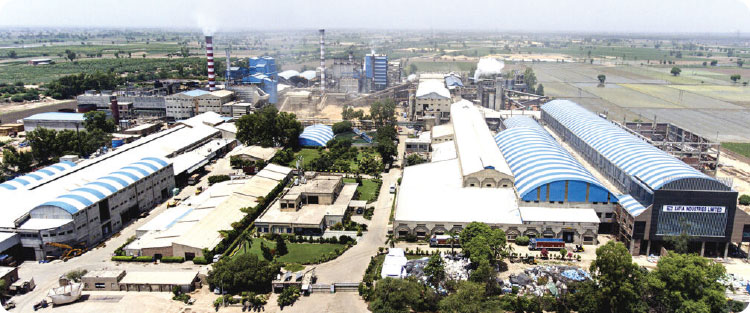
Satia Industries Limited
Enduring Values
| Year of Establishment: | 1984 |
| Headquarter: | Shri Muktsar Sahib, Punjab |
| Mill Location: | Shri Muktsar Sahib, Punjab |
| Branch Location: | Delhi, Chandigarh, Jaipur |
| Number of Employees* | 2639 |
| Product Portfolio: | Writing & printing paper, cup stock |
| Export Footprint: | 5 countries |
| Raw Material Base: | Pulp wood, agro-based fibre |
| Specific Water Consumption: | 24.79 m³/MT |
| Manufacturing Profile (Paper & Paperboard) | |
| Production Capacity (MTPA)** | FY25: 219,000 |
| Actual Production (MT) | FY25: 215,520 |
| Financial Performance (₹ in Cr) | |
| Turnover*** | FY24: 1,720.80 FY25: 1,512.00 |
| EBITDA: | FY24: 434.01 FY25: 289.46 |
| Net Worth: | FY24: 932.30 FY25: 1048.72 |
| Turnover Growth: | (-)12% |
*No. of Employees includes permanent employees and workers only.
**Production Capacity includes only saleable finished output, i.e., paper and board.
*** Turnover denotes the revenue generated from primary business operations, often termed sales, operating revenue, or revenue from operations in financial statements.
CSR Activities With Regards to Environment, Society, and Employee Welfare
- Satia Industries Limited has around 550 acres of eucalyptus plantations. Additionally, under Project Green, the company distributed 1 lakh eucalyptus saplings to farmers for plantation across thousands of acres as part of its Social Forestry Initiative. The Eucalyptus plantation absorbs approximately 120m/day/acre of treated effluent, with trees playing a vital role in the efficient utilization of wastewater. This approach not only eliminates the risk of groundwater contamination but also enhances afforestation and supports biodiversity.
- Nearly 100% of Satia Industries Limited’s power requirements are met through in-house biomass-based co-generation, using agricultural residues such as rice straw, rice husk, cotton stalks, mustard waste, and sawdust. This initiative not only provides a scalable solution to the stubble-burning challenge in Northern India but also promotes rural circular economies.
- The company’s manufacturing facility is located in Sri Muktsar Sahib, Punjab, a key wheat-growing region with abundant availability of rice straw, rice husk, and wheat straw. This geographic advantage ensures raw material security while contributing to carbon sequestration and enhancing farmer incomes.
- Satia Industries Limited employs over 2,600 people, including staff and workers. The company’s initiatives in health insurance, skill development, women’s empowerment, and local employment reflect its focus on inclusive and sustainable growth.
Product Launched in FY24 & FY25
- Launched a new range of eco-friendly virgin fibre cups as sustainable replacements for plastic cups; the segment is growing at ~20% annually.
- Introduced biodegradable table cutlery as part of sustainable dining solutions, targeting the food service and catering industries. The Company operates with nine moulding machines for cutlery production as on 31st March 2025 and has ordered five new machines, expected to be commissioned within two months.
- Developed fibre-based pizza boxes and food packaging, ensuring compostability, food safety, and reduced environmental impact.
- Introduced new surface-sized paper grades on Paper Machine 4 (PM-4) to expand into premium and photocopier paper segments.
- Expanded production of chromo paper for high-end printing, diaries, envelopes, and promotional applications, enhancing product diversity.
New Developments in FY25 & FY26
- Satia Industries Limited’s Board has approved the expansion of production capacity from 600 TPD to 700 TPD, involving major renovation and technological upgradation of Paper Machine 3 (PM3). The project is scheduled for completion in the next financial year 2026–27.
- SIL has completed the expansion of its 75 TPH multi-fuel boiler unit, enhancing operational efficiency and supporting the increased production capacity.
- The company initiated work on a new soda recovery boiler, which will incorporate modern technology to enhance chemical recovery and reduce energy consumption. This project is scheduled for commissioning in FY28, with full operational benefits anticipated in FY29.
- Together, the PM3 renovation and the recovery boiler project represent a planned investment of approximately INR 350 crore to be executed over the next two years.
Kuantum Papers Limited
Rooted in Purpose, Scaling Responsibility
| Year of Establishment: | 1980 |
| Headquarter: | Chandigarh, Punjab |
| Mill Location: | Saila Khurd, Hoshiarpur, Punjab |
| Number of Employees* | 1356 |
| Product Portfolio: | Writing & printing papers, copier paper, and specialty papers |
| Export Footprint: | 24 countries |
| Raw Material Base: | Agro-residue, Wood |
| Specific Water Consumption: | 41.69 m3/MT |
| Manufacturing Profile (Paper & Paperboard) | |
| Production Capacity (MTPA)** | FY25: 164,250 |
| Actual Production (MT) | FY25: 160,861 |
| Financial Performance (₹ in Cr) | |
| Turnover*** | FY24: 1,217 FY25: 1,113 |
| EBITDA: | FY24: 339 FY25: 249 |
| Net Worth: | FY24: 1,124 FY25: 1,213 |
| Turnover Growth: | (-)8.5% |
*No. of Employees includes permanent employees and workers only.
**Production Capacity includes only saleable finished output, i.e., paper and board.
*** “Turnover of INR 1113 Cr includes “other income”.
CSR Activities with Regards to Education, Health, Environment and Skill Development
At Kuantum Papers, we are committed to driving CSR initiatives that create a meaningful impact in the lives of our people and the communities we serve. From supporting education and empowering livelihoods to promoting environmental sustainability, our efforts focus on building a more equitable and sustainable future for all.
Environment
- We have an on-site Clonal Propagation Centre (CPC) that currently produces 45 lakh saplings annually, focused on high-quality clones of fast-growing pulpwood species such as Eucalyptus, Melia, Subabul and Casuarina. Under the Social Farm Forestry Programme, these saplings are distributed to farmers at subsidised rates and training is imparted in modern plantation and soil management practices.
- The company organised plantation drives in schools, community areas and public roads across nearby villages, followed by awareness sessions on organic farming, soil health and residue management.
- We encourage environmental stewardship through eco-club initiatives in the School, supported by educational kits, tree plantation drives and climate-focused competitions.
Education
- The company operates a senior secondary school near our plant that provides affordable, quality education to the children of employees and the nearby communities. With more than 500 students enrolled, the school has highly trained faculty and facilities such as science labs, a library, and digital classrooms designed to support holistic development.
- We extended infrastructure support to government schools across 27 villages, which includes constructing classrooms and sanitation blocks, repairing roofs and boundary walls and providing essential items like benches and fans to enhance learning environments.
- We improved critical rural road stretches in nearby villages to provide safer, faster access to schools, health centres and local markets under our ‘Road to Education’ initiative. The project has benefitted more than 1,500 school-going children, resulting in improved school attendance and a reduction in dropouts.
Healthcare
- Kuantum Papers organised several free health camps in neighbouring villages, offering diagnostics, specialist consultations and primary care services. Over 2,500 people have benefited from this healthcare initiative.
- We installed sewage pipelines and decentralised sewage treatment plants in selected villages to improve hygiene and waste management facilities.
- The company installed a tubewell at the village Saila Kalan and provided water coolers and ROs to facilitate the availability of clean drinking water in the surrounding areas.
- We conducted periodic sanitation campaigns in collaboration with local Panchayats and schools, to promote personal hygiene, sanitation best practices and promote clean living.
- Our fully operational dispensary in the mill premises provides medical consultation and free medicines. Ambulance services are also extended to neighbouring communities during emergencies.
Skill Development
- The company offers structured apprenticeship programmes in mechanical, electrical and process departments to youth from nearby villages to bridge the gap between education and employment.
- We enable local employment opportunities by involving rural microenterprises and self-help groups in plantation work, material supply, and other support activities.
Employee Welfare
- Rooted in respect and empowerment, our human resource practices place employee welfare and growth at the forefront. We strengthened our people’s agenda by investing in talent development, building inclusive learning ecosystems and deepening engagement across all levels of the organisation.
- We regularly conduct HR Connect sessions, skip-level meetings and anonymous feedback surveys to stay attuned to employee expectations. Insights gathered from these platforms enable timely action on emerging issues and help strengthen trust and transparency within the workforce.
- Using a structured Training Needs Analysis (TNA) framework, we deliver targeted training across technical, behavioural and leadership areas. Our collaboration with skill institutions enabled the upskilling of 300+ technicians in machine operations, energy management and compliance standards.
- As we move through capacity expansion and digital transformation, we equip our workforce for the future through continuous learning. Training in automation, sustainability, and data-driven decision-making is being delivered via internal academies and expert-led sessions.
- Every team member receives role-specific training on emergency preparedness, PPE usage, and hazard management. Regular mock drills, toolbox talks, and safety audits reinforce a culture of shared responsibility and zero compromise.
- We provide safe on-site housing with access to healthcare, recreation and education through facilities like a dispensary, club hall, sports amenities and a company-run school. Through our Self-Care Day initiative, employees participated in wellness activities centered on mental health, stress relief and nutrition.
New Developments in FY24 & FY25
- Through Project Nirmaan, the company integrated AI-based advanced process controls across pulp, power and paper sections to optimize manufacturing processes and establish a strong digital foundation. It has enabled the integration of closed-loop automation powered by AI-driven predictive analytics and Advanced Process Control (APC) systems. These intelligent systems, deployed across critical units such as the boiler, pulp, and paper sections, enhance precision, stability and consistency in operations.
- The company installed new closed hoods with heat recovery on PM 1–3, improving steam efficiency and product quality, alongside online sensor integration for real-time quality control.
- The ongoing expansion of the pulp mill includes the installation of a new Displacement Digester System (DDS) to improve pulping efficiency, fibre yield, and overall process stability.
- The company is also exploring the addition of an offline coating plant for specialty and packaging paper grades to diversify the product portfolio and strengthen Kuantum’s position in premium value-added segments.
- The company has also secured approval from the Punjab Government for surface water from a nearby canal, reducing reliance on groundwater and strengthening long-term water sustainability.
- The company commissioned Twin Roll Press (TRPE) systems in both the Agro and Wood Pulp Mills, enhancing chemical efficiency and achieving substantial savings in freshwater consumption.
- The company installed a new HRSCC clarifier for wood chip wash water to improve pulp consistency and process stability.
- The company is FSC® certified, ensuring all raw materials are procured from responsibly managed forests that meet environmental, social and economic standards.
- The company is also fully compliant with the European Union Deforestation Regulation (EUDR), reinforcing our commitment to sustainable sourcing and transparent supply chains.
Product Launches in FY24 & FY25
- Launched Kosmo Litho SPX multi-colour printing paper
- Introduced Kuantum Korra high-agro variant
- Revamped Konquer Copier packaging
- Introduced Kappa Premium III CRP coating base paper
Future Plans
- Kuantum Papers commenced its mill upgradation and expansion project with an outlay of INR 735 crore for modernizing existing infrastructure, expanding production capacities, integrating advanced technologies and strengthening environmental and digital capabilities to future-proof operations.
- We are upgrading all four paper machines to increase paper production from current levels of 450 TPD to 675 TPD, along with the enhancement of the wood pulp mill with the installation of the state-of-the-art Displacement Digester System. The largest machine Paper Machine 4 (PM4) was upgraded & commissioned on 30th June 2025 in collaboration with Bellmer for improving paper quality, operational efficiency and production throughput. The Recovery Boiler, Lime Kiln and Power Plant are also being upgraded to boost efficiency, ensure sustainability and reduce carbon footprints.
- Integrating Artificial Intelligence across core operations using advanced platforms such as dataPARC, KPI Dashboards, and a Model to build a smarter and more efficient mill.
- Advancing sustainability goals in line with our vision of ‘Kuantum for Earth’
- Reducing freshwater consumption to below 30 m³ per tonne of paper by 2027.
- Expanding our Clonal Propagation Centre (CPC) capacity to 1 crore saplings per annum by 2030.
- Covering over 75,000 acres of land under the Social Farm Forestry Program through the distribution of clonal saplings and training farmers in modern plantation and soil management practices.
Area covered under plantation
- Till Date (30.9.2025) – 16,000+ acres
- FY 24-25: 12,500 acres
Trident Limited
The Good Paper
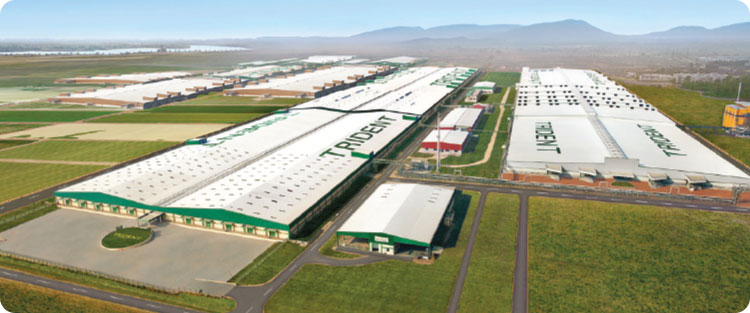
| Year of Establishment: | 1993 |
| Headquarter: | Ludhiana, Punjab |
| Mill Location: | Barnala, Punjab |
| Branch Location: | New Delhi, Mumbai, Gurugram, Ludhiana, Chandigarh |
| Number of Employees* | 869 |
| Product Portfolio: | Writing & printing paper, copier paper, agro-furnish paper, specialty papers, notebooks |
| Export Footprint: | US, UK, Haiti, Liberia, Ethiopia, Madagascar, Congo, Zambia, UAE, Dubai, Sri Lanka, Nepal, New Zealand, Qatar, Mauritania, Cape Town, Spain, Kenya, Burkina Faso, Angola, Mozambique, Mali |
| Raw Material Base: | Agro-residue (mainly wheat straw), pulp wood |
| Specific Water Consumption: | 31.55 m3/MT |
| Manufacturing Profile (Paper & Paperboard) | |
| Production Capacity (MTPA)** | FY25: 175,000 |
| Actual Production (MT) | FY25: 143,320 |
| Financial Performance (₹ in Cr) | |
| Turnover*** | FY24: 1,200.79 FY25: 1,053.94 |
| EBITDA: | FY24: ≈ 275.8# FY25: ≈ 185.6# |
| Net Worth: | FY24: 1438 FY25: 1601 |
| Turnover Growth: | (-)12.2% |
*No. of Employees includes permanent employees and workers only.
**Production Capacity includes only saleable finished output, i.e., paper and board.
*** Turnover denotes the revenue generated from primary business operations, often termed sales, operating revenue, or revenue from operations in financial statements.
# Trident Ltd.’s segment results disclosed present profit before finance costs, exceptional items and tax, (INR 260.86 crore and INR 284.26 crore, respectively for FY25 and FY24) which already includes depreciation and amortisation, or is after depreciation/amortisation adjustments. Since the company does not disclose depreciation and amortisation at the segment level, the same has been approximated (₹ 32 crore and ₹ 33 crore, respectively for FY25 and FY24) based on each segment’s proportion of total assets. Accordingly, these EBITDA figures should be treated as indicative estimates of operating performance for the Paper & Chemicals Division rather than audited or officially reported values.
CSR Activities With Regards to Environment, Society, and Employee Welfare
- Trident’s Paper Division operates with strong water stewardship, achieving 31.55 KL water consumption per MT of paper output. The company recycled 1.73 million KL of water, runs a Zero Liquid Discharge (ZLD) system at its Madhya Pradesh site, and reused treated effluent for landscaping in Punjab. Afforestation initiatives included planting 1,39,358 saplings over 250 acres, while the Parali Samadhan campaign educated 246 farmers, preventing stubble burning across 2,159 acres.
- During FY 2024–25, Trident invested INR 715.8 million in solar assets and INR 27.6 million in sludge-to-energy dryers.
- Renewables accounted for 52.74 % of total energy use (42.33 % without I-RECs). Installed solar capacity reached 51.98 MWp (+23.56 MWp YoY), generating 53.8 million kWh and avoiding 39,090 MTCO₂e. Biofuel use rose 18.23 % to 3,89,980 MT, forming 49.29 % of the total fuel mix.
- Total CSR spending stood at INR 48.09 million, benefiting 28,884 people. Healthcare programs treated 23,848 patients at Madhuban Hospital, held 5 health camps (631 beneficiaries), and served 11,774 free meals. Education drives (SAAKSHAR and SHIKSHA PROTSAHAN) reached 3,837 students across 35 schools with 136 teachers.
- Women’s and livelihood projects such as Hastkala trained 124 women, while Sreejana and Samarpan supported menstrual health and donation campaigns.
- Trident’s Takshashila 2024 Programme trained 2,000+ employees through Development Centres, with 300+ new recruits onboarded. The Karamyogi Recruitment Drive aims to add 3,000+ skilled individuals, while Saksham empowered 62 differently-abled youth. These programs emphasize employability, inclusion, and future-ready skills aligned with the Opportunities Unlimited philosophy.
- Trident follows the 5Rs – Reduce, Reuse, Recycle, Re-engineer, Redesign, integrating agro-residues and bio sludge into its boilers. It reused 7,841 MT of waste internally, generated 31,584 MT waste-to-energy, and achieved 17,28,750 KL of wastewater recycled. The company realized a 16.7 % reduction in GHG emissions (Scope 1 & 2) from FY 2021–22 base and targets Net Zero by 2050.
New Developments in FY24 & FY25
- The company modified the process flow of centricleaner rejects in the high-density cleaners of Paper Machines 1 and 2, resulting in fibre savings of approximately 4.7 metric tonnes per day.
- The company enhanced its product portfolio with Agro Furnish copier paper, manufactured using wheat straw and hardwood waste, reinforcing its commitment to sustainable production and circular economy principles.
Product Launches in FY24 & FY25
- Copier Segment: Natural Copier launched in 70 GSM Copier segment
- Maplitho Segment: Titanium Line launched with enhanced brightness and smoothness
Sillverton Industries Limited (Formerly Silverton Pulp and Papers Pvt. Ltd.)
Shaping Imagination
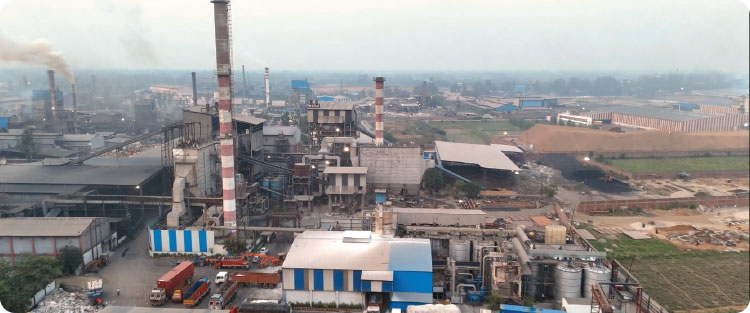
| Year of Establishment: | 1995 |
| Headquarter: | 9th KM, Bhopa Road Muzaffarnagar, Uttar Pradesh |
| Mill Location: | 9th KM, Bhopa Road Muzaffarnagar, Uttar Pradesh |
| Number of Employees* | 948 (as on 31/03/2025) |
| Product Portfolio: | Writing & printing paper, packaging paper, cup stock paper and speciality grade papers |
| Export Footprint: | INR 26.85 Crore (FY25) |
| Raw Material Base: | Waste paper, Pulp manufactured through waste paper |
| Manufacturing Profile (Paper & Paperboard) | |
| Production Capacity (MTPA)** | FY25: 270,000 |
| Actual Production (MT) | FY24: 160,717 FY25: 185,510 |
| Financial Performance (₹ in Cr) | |
| Turnover*** | FY24: 879.58 FY25: 998.40 |
| EBITDA: | FY24: 130.67 FY25: 159.48 |
| Net Worth: | FY24: 331.36 FY25: 445.51 |
| Turnover Growth: | 13.5 % |
*No. of Employees includes permanent employees and workers only.
**Production Capacity includes only saleable finished output, i.e., paper and board.
*** Turnover denotes the revenue generated from primary business operations, often termed sales, operating revenue, or revenue from operations in financial statements.
CSR Activities With Regards to Environment, Society, and Employee Welfare
- We think that Corporate Social Responsibility (CSR) is a strategic commitment to conducting business in a way that creates long-term value for both the organization and society. It involves going beyond mere compliance with laws and regulations to actively contribute to social, economic, and environmental development. We have spent for the education, gau seva and health and other for the benefit of the society under CSR activity in the FY 2025. Total expenditure for the period March 31, 2025 for the CSR was INR 1,84,84,000.
New Developments in FY24 & FY25
- Our new development in FY 2024 and 2025 include solutions for education, publications and offices, solutions for secondary packaging, customised food and grocery packaging, liquid packaging solutions, innovative flexible packaging solutions, advanced pharmaceutical packaging, premium wedding and invitation card solution, cooling pad paper, coated paper.
Product Launches in FY24 & FY25
- In addition to the range of our existing product portfolio, we have launched Bible Printing (Pharma Print), Silver Bloom, Silvera, White Kraft Liner, Virgin Top Liner, Virgin Kraft Liner, Silver Carry, Silver Ace, Silver Edge, Bake Oven Paper, Oil and Grease Proof Paper, Vegetable Parchment Paper, Food Wrapping Paper, Silver Grace, Cup Stock (Brown), Coated Cup Stock, Silver Straw Paper, Silver Glaze, Semi Bleach Kraft, Opaque Laminating base paper, Release Base (SCK/CCK) Paper, Steel Mill Kraft (SMK), Metalizing Paper, Thermal Base Paper, Oil and Grease Proof Paper (OGR), Stiffener Soap Wrapping Solutions, Silver Pharma Print, Medical Paper (Bactite), Opaque Laminating base paper, Silver Ornett, Silver Cool, Bulky Book Paper, Coated One Side (C1S), Coated Two Side (C2S).
*Inputs Provided by Sillverton Industries Limited
Orient Paper & Industries Limited
Paper with Purpose, Paper for Good
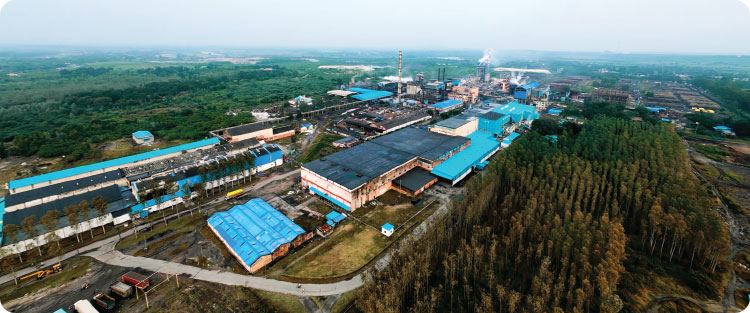
| Year of Establishment: | 1936 |
| Headquarter: | Kolkata, West Bengal |
| Mill Location: | Amlai, Madhya Pradesh |
| Branch Location: | Bhubaneshwar, New Delhi, Mumbai, Chennai |
| Number of Employees* | 1291 |
| Product Portfolio: | Writing & printing paper, tissue paper, copier paper, carry bag, cupstock |
| Export Footprint: | Export to MENA region, Sri Lanka, Nepal, East Europe for tissue and Nepal for WPP/copier |
| Raw Material Base: | Bamboo, pulp wood |
| Specific Water Consumption: | 46.35 m3/MT |
| Manufacturing Profile (Paper & Paperboard) | |
| Production Capacity (MTPA)** | FY25: 100,000 |
| Financial Performance (₹ in Cr) | |
| Turnover*** | FY24: 832 FY25: 896 |
| EBITDA: | FY24: 86 FY25: (-)5 |
| Net Worth: | FY24: 1,619 FY25: 1,535 |
| Turnover Growth: | 7.7% |
*No. of Employees includes permanent employees and workers only.
**Production Capacity includes only saleable finished output, i.e., paper and board.
*** Turnover denotes the revenue generated from primary business operations, often termed sales, operating revenue, or revenue from operations in financial statements.
CSR Activities With Regards to Environment, Society, and Employee Welfare
- Orient Paper intensified its afforestation and water stewardship initiatives by planting 17,058 acres, irrigating 13,571 acres, and achieving 100% reuse of treated wastewater. The company reduced specific water consumption to 46.35 m³/ton—well below national benchmarks.
- The company enhanced energy efficiency through a 7% reduction in coal consumption and a 10% cut in emissions intensity. Its PCC plant further contributed to sustainability by capturing CO₂ from lime kiln exhaust and reusing 6,000 m³/day as filler material.
- Under Mission Khushi, the company built 1,991 water structures, recharging 19.5 billion litres and improving irrigation for 13,571 acres. Collaboration with the ASA Foundation benefited 21,300 families through self-help groups, intercropping, and sustainable livelihood projects.
- Orient Paper expanded employee capability-building programs, conducting structured workshops and mentorship sessions. Total training hours rose to 22,300 in FY 2025, underscoring the company’s emphasis on professional growth, safety, and continuous learning.
- Through women-led self-help groups, the company promoted financial independence and entrepreneurship. Access to micro-credit enabled members to start income-generating ventures, strengthening household resilience and fostering inclusive, community-driven development.
New Developments in FY24 & FY25
- Orient Paper invested INR 60 crore in modernising pulp and paper operations, implementing Valmet DCS, QCS, and APC systems to enhance automation, product consistency, process control, and long-term operational efficiency.
- Capacity expansion projects included upgrading the recovery boiler to 750 TPD and the bleached pulp mill to 400 TPD, along with installing a new drum chipper and non-condensable gas incineration system.
- Advanced machine upgrades were executed, including centric leaning and conflow refining systems by Valmet, Toschi rewinder automation, Siemens DCS enhancement on Tissue #02, and high-bulk tissue creping trials on Tissue #03.
- Further enhancements covered causticizing plant expansion, copier sheeter installation, and main machine approach-flow upgrades, improving paper formation, fibre bonding, and sheet quality across the writing, printing, and tissue segments.
- The company initiated a structured modernisation roadmap, strengthening pulp mill and paper machine infrastructure with automation, process control, and efficiency improvements valued at approximately INR 165 crore in ongoing projects.
- Major FY24 projects included upgrading the 750 TPD recovery boiler, causticiser modernisation, DCS/QCS automation installations, and sustainability-linked process optimisation programs to improve operational reliability and environmental performance.
Product Launches in FY24 & FY25
- Seven new products launched: 2 Writing & Printing, 3 Wellness & Hygiene, and 3 Plastic Substitution.
- OBA-free tissue paper and Bamboo-based tissue products launched in major markets.
- Ultra-soft facial and toilet tissue, Lollipop Stick, Earbud paper and low-GSM carry bag developed.
- Pigment-dyed W&P paper introduced for higher visual appeal and quality.
- Bamboo-rich towel-grade tissue strengthened Orient’s position in sustainable, eco-conscious categories.
Genus Paper & Boards Limited
Energizing Lives
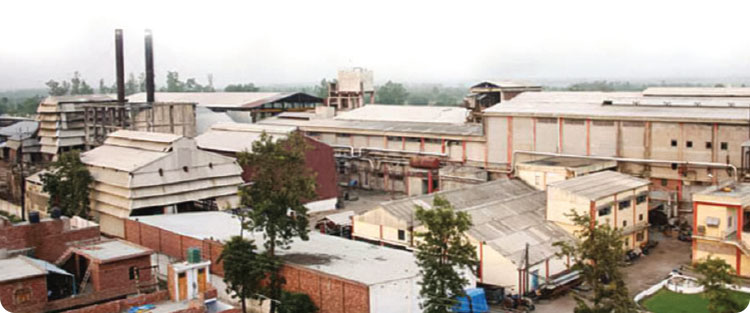
| Year of Establishment: | 1996 |
| Headquarter: | Moradabad, Uttar Pradesh |
| Mill Location: | Unit 1: Moradabad, Uttar Pradesh Unit 2: Muzaffarnagar, Uttar Pradesh |
| Branch Location: | New Delhi |
| Number of Employees* | 1094 |
| Product Portfolio: | Writing & printing paper, packaging paper and board |
| Export Footprint: | Modest export presence |
| Raw Material Base: | Waste paper, virgin pulp |
| Manufacturing Profile (Paper & Paperboard) | |
| Production Capacity (MTPA)** | FY25: 450,000 |
| Financial Performance (₹ in Cr) | |
| Turnover*** | FY24: 651.03 FY25: 849.15 |
| EBITDA: | FY24: 56.16 FY25: 69.72 |
| Net Worth: | FY24: 488.00 FY25: 515.37 |
| Turnover Growth: | 30.43% |
*No. of Employees includes permanent employees and workers only.
**Production Capacity includes only saleable finished output, i.e., paper and board.
*** Turnover denotes the revenue generated from primary business operations, often termed sales, operating revenue, or revenue from operations in financial statements.
CSR Activities With Regards to Environment, Society, and Employee Welfare
- During the year, Genus Paper & Board Ltd undertook several initiatives to enhance operational efficiency and environmental compliance. Process optimization measures were implemented across paper machines to reduce resource consumption and improve production consistency.
- Energy-saving modifications and routine equipment upgrades were carried out to lower emissions and strengthen the sustainability profile of manufacturing operations. GPBL continued to promote responsible water use and maintained strict adherence to pollution-control and waste-management norms.
- GPBL pursued community-oriented activities in line with its CSR policy, focusing on education support, livelihood generation, and healthcare assistance in surrounding areas. Training programmes were organized to improve employability and vocational skills among local youth.
- Initiatives encouraging environmental awareness and community participation were sustained throughout the year, reinforcing the Company’s broader objective of inclusive and responsible growth.
New Developments in FY24 & FY25
- GPBL upgraded the steam and condensate system in Paper Machine-1 to enhance heat recovery efficiency and reduce process energy consumption.
- An old 560 KW, 1200 RPM refiner motor in Pulpmill-2 was replaced with a 560 KW, 600 RPM model for improved efficiency.
- Turbo 800 unit in Pulp Mill-1 was decommissioned to optimize energy load distribution and streamline pulp-processing operations.
- The heat exchanger motor capacity was reduced from 11 KW to 7.5 KW, ensuring lower power consumption and improved system efficiency.
- The floated fibre discharge pump motor was changed from 18.5 KW to 15 KW, cutting energy usage while maintaining throughput performance.
- The company approved capital expenditure for replacing outdated motors (75–160 KW) with IE4 energy-efficient models to enhance operational performance.
- Old slip-ring motors in refiners are being replaced with IE3 energy-efficient motors to achieve higher reliability and consistent power savings.
- Capital work-in-progress rose significantly, reflecting ongoing installation of upgraded machinery and system improvements within existing paper-manufacturing facilities.
- Substantial additions to plant and machinery were made during FY25 to modernize production lines and strengthen operational sustainability.
- All major investments during the year targeted the paper division, emphasizing modernization over new greenfield expansion projects.
Product Launches in FY24 & FY25
- In FY 2023-24, GPBL commenced production of writing and printing paper, supported by a pulp integration project to enhance quality and operational efficiency.
- In FY 2024-25, the company introduced new grades such as whiteboard and cupboard board, expanding its product portfolio beyond packaging and duplex board categories.
- During FY 2023-24 and FY 2024-25, GPBL’s sustained diversification and process innovation initiatives strengthened its market positioning and long-term growth potential.
*Inputs Sourced From Annual Reports
Pudumjee Paper Products Limited
Innovating Specialty Papers for Sustainable Packaging
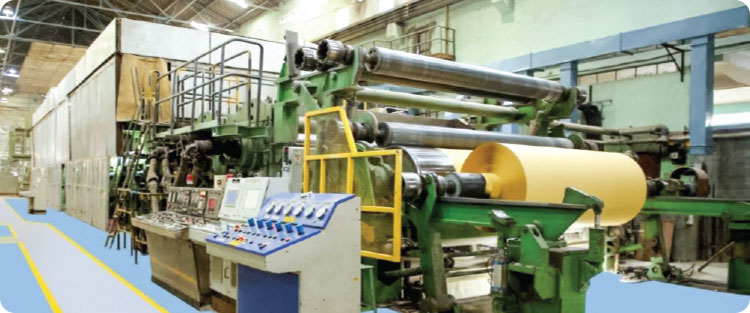
| Year of Establishment: | 1964 |
| Headquarter: | Thergaon, Pune, Maharashtra |
| Mill Location: | Thergaon, Pune, Maharashtra |
| Number of Employees* | 628 |
| Product Portfolio: | Specialty papers – biodegradable, food-grade, pharmaceutical, decorative, hygiene |
| Export Footprint: | Nearby countries, Middle East, select European regions |
| Raw Material Base: | Imported wood pulp, waste paper |
| Specific Water Consumption: | 17.85 m3/MT |
| Manufacturing Profile (Paper & Paperboard) | |
| Production Capacity (MTPA)** | FY25: 72,000 |
| Actual Production (MT) | FY25: 67,200 |
| Financial Performance (₹ in Cr) | |
| Turnover*** | FY24: 785 FY25: 809 |
| EBITDA: | FY24: 149 FY25: 145 |
| Net Worth: | FY24: 492.30 FY25: 582.87 |
| Turnover Growth: | 3.06% |
*No. of Employees includes permanent employees and workers only.
**Production Capacity includes only saleable finished output, i.e., paper and board.
*** Turnover denotes the revenue generated from primary business operations, often termed sales, operating revenue, or revenue from operations in financial statements.
CSR Activities With Regards to Environment, Society, and Employee Welfare
- Pudumjee Paper Products’ CSR Policy emphasizes environment-related initiatives in both urban and rural areas, focusing on sustainable resource management and rural infrastructure development. The company promotes environmentally responsible manufacturing, waste reduction, and energy-efficient operations through continuous process improvement and eco-friendly production practices.
- The company’s CSR programs are implemented primarily through the Mahabir Prasad Jatia Charitable Trust. These initiatives support education in rural areas, vocational development, and welfare projects such as old-age homes and orphanages. In FY 2024–25, Pudumjee spent INR 170.30 lakhs on approved CSR programs addressing education, livelihood enhancement, and community well-being.
New Developments in FY24 & FY25
- During FY 2024–25, Pudumjee initiated a project to manufacture paper bags and paper cup liner grades, expanding its specialty paper portfolio toward food service and sustainable packaging applications. The facility is expected to become fully operational in FY 2025–26.
- The company received approval from the Maharashtra Pollution Control Board to establish a new greenfield specialty paper manufacturing unit at Mahad, with a proposed capacity of about 68,000 TPA, at an investment of INR 1350 crore within next 5 years. This project aims to enhance production flexibility and meet rising demand for high-value grades.
- Pudumjee is also investing in a 15.4 MW solar power project in Maharashtra to supply renewable energy for its paper operations. The plant, scheduled for commissioning in mid-FY 2025–26, will strengthen energy efficiency and sustainability across manufacturing units.
- The company achieved a bronze medal in the EcoVadis global sustainability assessment.
Product Launches in FY24 & FY25
- During FY 2024–25, Pudumjee expanded its product portfolio with a focus on sustainable and high-value applications.
- The company introduced biodegradable and compostable grades, new pharmaceutical and decorative papers, and continued innovation in hygiene-related segments.
- These developments align with global demand for eco-friendly and specialty paper solutions.
*Inputs Sourced from Annual Reports
Ruchira Papers Limited
Committed to the Earth
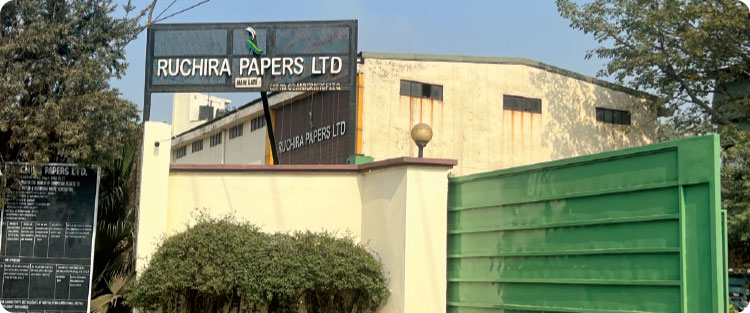
| Year of Establishment: | 1980 |
| Headquarter: | Kala Amb, Sirmaur, Himachal Pradesh |
| Mill Location: | Kala Amb, Sirmaur, Himachal Pradesh |
| Number of Employees* | 1039 |
| Product Portfolio: | Writing & printing paper, kraft paper |
| Export Footprint: | Growing export orientation, particularly in white paper and specialty papers |
| Raw Material Base: | Agro residues (bagasse, wheat straw, sarkanda), waste paper, imported wood pulp |
| Manufacturing Profile (Paper & Paperboard) | |
| Actual Production (MT) | FY25: 151,577 |
| Financial Performance (₹ in Cr) | |
| Turnover** | FY24: 657.60 FY25: 659.23 |
| EBITDA: | FY24: 81.77 FY25: 107.11 |
| Net Worth: | FY24: 414.28 FY25: 466.25 |
| Turnover Growth: | 0.25% |
*No. of Employees includes permanent employees and workers as on 31.03.2025.
** Turnover denotes the revenue generated from primary business operations, often termed sales, operating revenue, or revenue from operations in financial statements.
CSR Activities with Regards to Environment, Society, and Employee Welfare
- Ruchira Papers Limited operates a full-scale Effluent Treatment Plant (ETP) integrated with Fenton technology for effective pollutant degradation and water recycling within operations.
- Methane-rich biogas from anaerobic digesters is redirected to power boilers for heat recovery, reducing CO₂ emissions and fuel use.
- We invested INR 15 Crore in limekiln technology to minimise landfill waste through solid residue recovery and reuse.
- Ruchira’s CSR program emphasizes rural upliftment through education and infrastructure. In FY 2024–25, INR 1.37 crore funded school renovations, sports materials, student sponsorships, and community works such as street-light repairs and civic facility improvements in surrounding Himachal villages.
- The company advances youth empowerment by promoting skill-building and local employment around its operations. Training programs strengthen employees’ environmental awareness, while outreach activities engage young people and women in nearby villages to foster participation and livelihood development.
- Ruchira Papers builds enduring relationships with local stakeholders through outreach involving farmers, youth, and women. These initiatives create positive social impact, enhance trust, and align community growth with the company’s broader sustainability and responsible-business objectives.
New Developments in FY24 & FY25
- Ruchira Papers initiated a major PM-3 modification replacing the headbox and top former, extending wire length, and installing a Bellmer shoe press to enhance press dryness and machine speed.
- An INR 100-crore capacity-expansion plan, funded mainly through low-cost debt, aims to improve operational efficiency and profitability while maintaining a healthy balance sheet and conservative debt-to-equity ratio.
- The modernisation programme is expected to raise total output to about 160,000 tons in FY 2025–26 and approximately 175,000 tons in FY 2026–27, utilising existing boilers and turbines.
Product Launches in FY24 & FY25
- Introduced new product white copier paper to expand offerings
- Scaled two of its brands (‘Mogra’ and ‘Leher’), each targeting distinct market segments
- Focused efforts were directed towards tapping a growing demand for food-grade kraft and environmentally friendly writing paper
Shreyans Industries Limited
Paper is our Passion
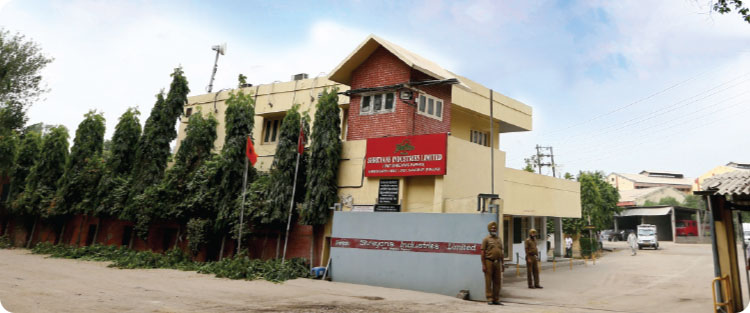
| Year of Establishment: | 1979 |
| Headquarter: | Ludhiana, Punjab |
| Mill Location: | Unit 1: Shreyans Papers, Ahmedgarh, Punjab Unit 2: Shree Rishabh Papers, Banah, S.B.S. Nagar, Punjab |
| Branch Location: | New Delhi |
| Number of Employees* | 1373 |
| Product Portfolio: | Writing & printing paper, paper board, newsprint |
| Export Footprint: | Not specifically mentioned, but the company exports its premium products overseas. |
| Raw Material Base: | Agro residues, viz. wheat straw, kangaroo grass, bagasse; wood pulp |
| Specific Water Consumption: | < 50 m3/MT |
| Manufacturing Profile (Paper & Paperboard) | |
| Production Capacity (MTPA)** | FY25: 94,000 |
| Actual Production (MT) | FY24: 89,466 FY25: 87,250 |
| Financial Performance (₹ in Cr) | |
| Turnover*** | FY24: 699.17 FY25: 616.77 |
| EBITDA: | FY24: 132.56 FY25: 87.33 |
| Net Worth: | FY24: 382.96 FY25: 426.43 |
| Turnover Growth: | (-)11.8% |
*No. of Employees includes permanent employees and workers only.
**Production Capacity includes only saleable finished output, i.e., paper and board.
*** Turnover denotes the revenue generated from primary business operations, often termed sales, operating revenue, or revenue from operations in financial statements.
CSR Activities With Regards to Environment, Society, and Employee Welfare
- Shreyans Industries continuously focused on energy and resource efficiency, improving specific energy use and renewable energy share while monitoring sustainability indicators aligned with its long-term environmental performance goals.
- The company implemented multiple initiatives to optimize power and steam efficiency, including installation of steam and condensate systems, closed hood and pocket ventilation systems, and LED lighting in plant areas. It also achieved thermal energy savings by insulating steam and process pipelines and reduced power consumption through replacement of conventional electrical motors with energy-efficient models. Biogas generated from industrial waste was used to meet process heating needs, further enhancing renewable energy utilization.
- CSR programs focused on healthcare, education, sports, and environmental welfare. Collaborating with NGOs, the company supported access to healthcare, educational enhancement, sports promotion, and environmental restoration in nearby communities.
- The company empowered women through targeted skill development programs and supported underprivileged children by facilitating education and distributing books and stationery, encouraging inclusive community growth.
- Shreyans Industries regularly supported an eye hospital in Ahmedgarh, sponsoring free eye camps and contributing to its operations. It also funded NGOs organizing blood donation camps and provided medical assistance to economically disadvantaged individuals.
New Developments in FY24 & FY25
- The company added new machinery and plant equipment worth INR 3,283.58 lakh during FY 25, enhancing overall capacity and production efficiency through continuous modernization and technology upgradation initiatives across both paper units.
- Major capital investments included installation of high-efficiency process equipment, replacement of older machinery, and energy-saving modifications to improve productivity, reduce downtime, and strengthen sustainability across paper manufacturing operations.
- Property, plant, & equipment value rose from INR 29,768.65 lakh to INR 32,822.71 lakh, reflecting sustained capital expenditure toward production capability, technology modernization, & efficiency-oriented upgrades.
- Upgrades emphasized mechanical modernization, maintenance of key production lines, and infrastructure expansion to sustain competitive production levels and ensure consistent quality in paper grades and finished goods.
- Installation of a Closed Hood and Pocket Ventilation System at the Shreyans Papers Unit and a new rewinder at the Shree Rishabh Papers Unit improved quality consistency and supported production of new premium grades.
Product Launches in FY24 & FY25
- Continued focus on new product development in writing & printing paper, supported by technology upgrades & adoption of modern manufacturing practices.
Sripathi Paper & Boards Pvt. Ltd. (A Srinidhi Enterprise)
Pack of Ideas
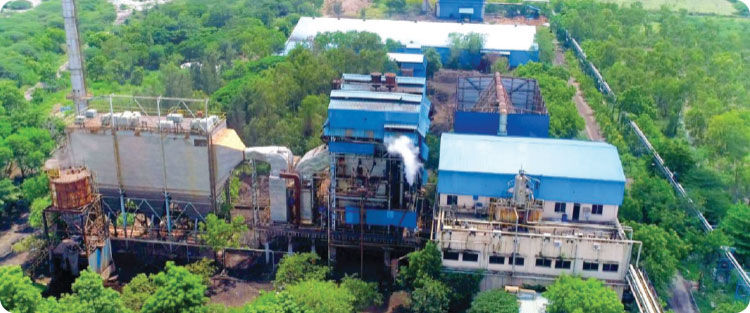
| Year of Establishment: | 2002 |
| Headquarter: | Coimbatore, Tamil Nadu |
| Mill Location: | Unit I-II: Sivakasi, Tamil Nadu Unit III: Sathyamangalam, Erode, Tamil Nadu |
| Branch Location: | Sathyamangalam, Erode, Tamil Nadu |
| Number of Employees* | ~838 |
| Product Portfolio: | Duplex board, kraft paper, writing & printing paper, newsprint |
| Export Footprint: | Exports to Sri Lanka, Bangladesh, Middle East & African markets, select European nations |
| Raw Material Base: | Recycled fibre |
| Specific Water Consumption: | 2 m³/MT |
| Manufacturing Profile (Paper & Paperboard) | |
| Production Capacity (MTPA)** | FY25: 264,000 |
| Actual Production (MT) | FY25: 136,463 |
| Financial Performance (₹ in Cr) | |
| Turnover*** | FY24: 576.2 FY25: 590.6 |
| EBITDA: | FY24: 83.82 FY25: 49.1 |
| Net Worth: | FY24: 552.7 FY25: 543.8 |
| Turnover Growth: | 2.5 % |
*No. of Employees includes permanent employees and workers only.
**Production Capacity includes only saleable finished output, i.e., paper and board.
*** Turnover denotes the revenue generated from primary business operations, often termed sales, operating revenue, or revenue from operations in financial statements.
CSR Activities With Regards to Environment, Society, and Employee Welfare
- Provided drinking water to nearby 3 villages by installing 6 No’s, RO plants- servicing a total 4,500 families by providing 40 litres of drinking water per day.
- Celebrated Ananda Deepavali for 350+ less fortunate children by providing new dress, food and other cultural programs.
- RO water plant installation done nearby village school to provide drinking water.
New Developments in FY24 & FY25
- New blade coater installation at PM-4 to improve board surface.
- Vacuum aspirator system and Press part modification at PM-4 to improve GSM & moisture profile
- New energy efficient vacuum pumps at PM-1&3 for energy conservation
- GRS certification (Global Recycled Standard) – first mill in south India
- Warehouse rack system with WMS
- 3 No’s new sheeters installed to enhance sheeting capacity
Product Launches in FY24 & FY25
- White kraft liner board meant for defreeze applications
- Nano Green (Recycled Folding Box Board)
- High bulk and high stiffness board for Match inners
- Lower GSM Nano Gloss meant for wedding cards/greeting cards segment
- Cup stock
- Dust free recycled board
*Inputs Provided by Company
Dev Priya Industries Limited
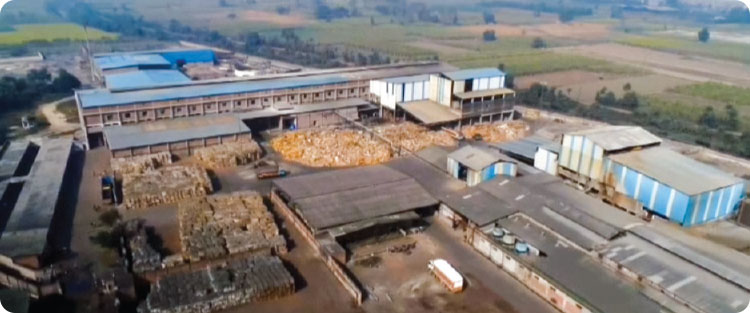
| Year of Establishment: | 1990 |
| Headquarter: | Delhi |
| Mill Location: | Meerut, Uttar Pradesh |
| Number of Employees* | 380 |
| Product Portfolio: | Kraft paper |
| Raw Material Base: | Imported & Indian waste paper |
| Specific Water Consumption: | 1.23 m³/MT |
| Manufacturing Profile (Paper & Paperboard) | |
| Production Capacity (MTPA)** | FY25: 200,000 |
| Actual Production (MT) | FY25: 141,400 |
| Financial Performance (₹ in Cr) | |
| Turnover*** | FY25: 449 |
| EBITDA: | FY25: 13.15 |
| Net Worth: | FY25: 95.95 |
| Turnover Growth: | 8.83% |
*No. of Employees includes permanent employees and workers only.
**Production Capacity includes only saleable finished output, i.e., paper and board.
*** Turnover denotes the revenue generated from primary business operations, often termed sales, operating revenue, or revenue from operations in financial statements.
*Inputs received by the client
Star Paper Mills Limited
Aiming High
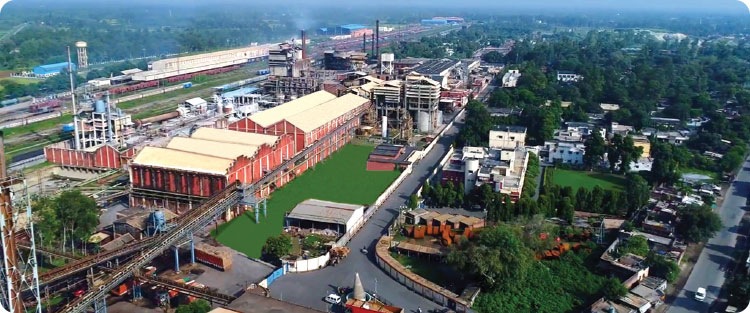
| Year of Establishment: | 1936 |
| Headquarter: | Kolkata, West Bengal (Registered Office) |
| Mill Location: | Saharanpur, Uttar Pradesh |
| Branch Location: | New Delhi |
| Number of Employees* | 382 |
| Product Portfolio: | Industrial, packaging, and cultural papers |
| Export Footprint: | Selective export presence |
| Raw Material Base: | Wood, wood-based pulp, and recycled paper waste |
| Specific Water Consumption: | 32,06,358 kl |
| Manufacturing Profile (Paper & Paperboard) | |
| Production Capacity (MTPA)** | FY25: 75,000 |
| Actual Production (MT) | FY25: ≈ 67,000 |
| Financial Performance (₹ in Cr) | |
| Turnover*** | FY24: 444.47 FY25: 436.34 |
| EBITDA: | FY24: 87.18 FY25: 60.79 |
| Net Worth: | FY24: 647.28 FY25: 680.90 |
| Turnover Growth: | (-)1.8% |
# The actual production figure is an analytical estimate derived from reported revenue and assumed average realisation, and may differ from the company’s officially reported data.*No. of Employees includes permanent employees and workers only.
**Production Capacity includes only saleable finished output, i.e., paper and board and is a nominal tig based on assumed product mix.
*** Turnover denotes the revenue generated from primary business operations, often termed sales, operating revenue, or revenue from operations in financial statements.
CSR Activities With Regards to Environment and Society
- Star Paper Mills undertook activities supporting environmental sustainability, ecological balance, and conservation of natural resources. The company focused on maintaining the quality of soil, air, and water through various initiatives related to agroforestry practices.
- The company continued assessing options to enhance energy efficiency and sustainability such as self generation as an alternate power source to reduce dependence on conventional energy.
- The company’s CSR efforts included measures to reduce hunger and malnutrition, along with healthcare promotion through awareness programmes and medical camps. Additional initiatives focused on gender equality & women’s empowerment.
- Star Paper Mills supported education and skill enhancement initiatives aimed at improving employability among youth.
- The company distributed environment-friendly cotton bags to discourage polythene use and undertook activities to protect national heritage, art, and culture. These initiatives reflected its broader commitment to sustainable and socially responsible business practices.
- Star Paper Mills also has contributed to infrastructural support in various community lined activities.
- Star Paper Mills also supports the organization of sports and cultural activities.
New Developments in FY24 & FY25
- Star Paper Mills erected and commissioned a Voith make medium-consistency centri-cleaner system at PM-II to reduce fibre losses, improve cleaning efficiency, and lower power consumption.
- The company invested in new energy-saving systems including replacement of older motors with energy-efficient models.
- Star Paper Mills incurred a total project cost of INR 166.77 lakh on these technological and energy-efficiency initiatives during the year.
- It reported a capital work-in-progress of INR 179.27 lakh as on March 31, 2025 including INR 26.02 lakh for modernization and replacement projects and INR 153.25 lakh for the Boiler Bag House project.
Product Launches in FY24 & FY25
- In FY 2024-25, Star Paper Mills focused on developing value-added and eco-friendly paper grades. The company introduced industrial-grade papers, high-strength food packaging papers, and new packaging varieties and colour shades.
- These R&D efforts strengthened its presence in specialty and high-strength paper segments, while also achieving cost and process efficiencies.
Pakka Limited
Packaging with a Soul
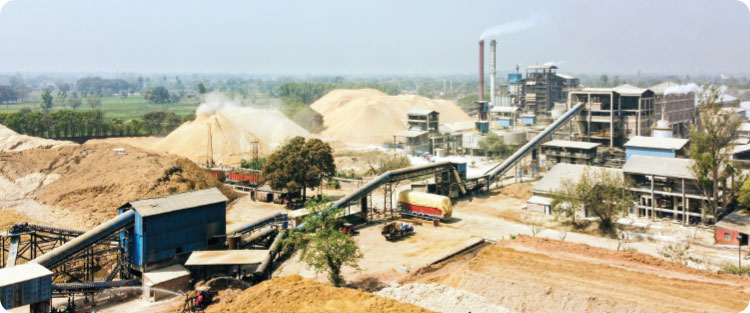
| Year of Establishment: | 1981 |
| Headquarter: | Kanpur, Uttar Pradesh |
| Mill Location: | Ayodhya, Uttar Pradesh |
| Tableware Moulding Units: | Ayodhya, Uttar Pradesh (integrated production lines dedicated to manufacturing 14.5 TPD of compostable tableware) |
| Branch Location: | USA and Guatemala |
| Number of Employees* | 511 |
| Product Portfolio: | Eco-friendly packaging paper, compostable packaging solutions and tableware products |
| Export Footprint: | 31 countries |
| Raw Material Base: | Bagasse |
| Specific Water Consumption: | 36.78 m³/MT |
| Manufacturing Profile (Paper & Paperboard) | |
| Production Capacity (MTPA)** | FY25: 39,100 ^ |
| Actual Production (MT) | FY25: 41,707 ^ |
| Financial Performance (₹ in Cr) | |
| #Turnover*** | FY24: 404.74 FY25: 406.04 |
| #EBITDA: | FY24: 94.33 FY25: 91.90 |
| #Net Worth: | FY24: 248.23 FY25: 452.06 |
| Turnover Growth: | 0.32% |
^ Only paper’s installed capacity and actual production.
# Pakka Ltd’s Turnover, EBITDA, & Net Worth includes pulp, paper, and tableware outputs.
*No. of Employees includes permanent employees and workers only.
**Production Capacity includes only saleable finished output, i.e., paper and board.
*** Turnover denotes the revenue generated from primary business operations, often termed sales, operating revenue, or revenue from operations in financial statements.
CSR Activities With Regards to Environment, Society, and Employee Welfare
- Under its afforestation and water initiatives, Pakka Limited created a Miyawaki mini-forest with 4,000 saplings and collaborated with the Malligavad Foundation to rejuvenate 46 ponds covering 52 acres. Through advanced systems like HRSCC, MPS backwater recovery, and diffused aeration with IFAS media, the company improved water reuse and reduced freshwater dependence, earning CII Water Efficient Unit recognition.
- Pakka operates entirely on renewable biomass-based fuels and agro-waste, avoiding fossil fuels. The company adheres to science-based targets for greenhouse gas reduction and aligns with global sustainability standards, ensuring its compostable and biodegradable product lines maintain a minimal carbon footprint.
- The company’s CSR initiatives focused on healthcare, education, empowerment of differently abled individuals, and rural development. It actively participated in Pakka Group volunteering and affirmative action programmes, fostering inclusive community welfare and improving access to essential services in surrounding regions.
- Through its Pakka Skills initiative, the company transformed an Industrial Training Institute (ITI) into a Centre of Excellence for compostable packaging. In FY24–25, 111 trainees graduated—90 were placed, including 18 girls at Tata Electronics. Specialized modules in paper manufacturing and technical trades addressed rural youth employability and gender inclusion barriers.
- Pakka advanced regenerative ecology by rejuvenating nine ponds and launching Project Sarathi, a jute-based enterprise empowering rural women. The initiative enabled participants to gain financial independence—one entrepreneur employing ten women earned government recognition and showcased products at Ayodhya Airport, reflecting sustainable, women-led community transformation.
New Developments in FY24 & FY25
- Pakka advanced Project Jagriti with installation of PM-4 (100 TPD) for flexible base paper. With 90% efficiency, the machine will start by December 2025, adding 120 TPD recyclable packaging capacity.
- PM-3 was upgraded with a Shoe Press, raising output from 80 to 100 TPD. The modernization improved strength, moisture uniformity, and efficiency for food wrap and bag paper production.
- Pakka expanded its pulp mill from 120 to 180 TPD using an advanced digester, oxygen bleaching, and ECF process, replacing chlorine-hypo bleaching to enhance pulp brightness and sustainability.
- A 15 MW power plant, scheduled for July 2025, will supply expanded operations with energy and steam, ensuring self-sufficiency and reliable performance at the Ayodhya facility.
- A recovery boiler, to be commissioned in September 2025, will recover process chemicals and heat, reducing waste and improving circularity across integrated pulp and paper operations.
- Major investments covered PM-3 and PM-4, pulp mill upgrades, and new utilities. Project Jagriti is expected to deliver annual revenues of ~USD 250 million after full commissioning.
- Project Kawok, a greenfield pulp and paper venture in Guatemala under Pakka Inc., follows an equity-led, de-risked model with no recourse to Pakka Limited’s balance sheet.
Product Launches in FY24 & FY25
- Launch of new low-grammage kraft and niche-grade papers.
- Introduction of PFAS-free and non-metallised compostable flexible packaging.
- Development of grease-proof, high BF, and colour-specific grades.
- Strengthened CHUK compostable tableware portfolio.
- Continued R&D on coating mechanisms and high-barrier paper structures to replace multilayer plastics.
Jani Sales Private Limited
Where Paper Meets Quality
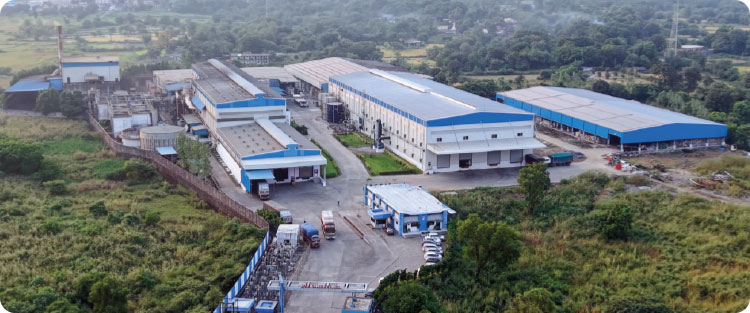
| Year of Establishment: | 2020 ( for paper manufacturing division) |
| Headquarter: | Mumbai, Maharashtra |
| Mill Location: | Sarigam, Valsad, Gujarat |
| Number of Employees* | 265 |
| Product Portfolio: | MG kraft papers (unbleached and bleached), MG poster paper, tissue paper |
| Export Footprint: | About 60% of their production is exported |
| Raw Material Base: | Recycled Fibres / Virgin Pulp |
| Manufacturing Profile (Paper & Paperboard) | |
| Production Capacity (MTPA)** | FY25: 56,000 |
| Actual Production (MT) | FY25: 54,000 |
| Financial Performance (₹ in Cr) | |
| Turnover*** | FY24: 217 FY25: 285 |
| EBITDA: | FY24: 39 FY25: 56 |
| Net Worth: | FY24: 134 FY25: 172 |
| Turnover Growth: | 31% |
*No. of Employees includes permanent employees and workers only.
**Production Capacity includes only saleable finished output, i.e., paper and board.
*** Turnover denotes the revenue generated from primary business operations, often termed sales, operating revenue, or revenue from operations in financial statements.
CSR Activities With Regards to Environment, Society, and Employee Welfare
- Education: Supporting educational initiatives and institutions.
- Medical Support: Providing healthcare services, and offering medical aid
- Family Support: Contributing to community development and family welfare programs
- Old Age Homes: Potentially supporting elderly care initiatives
- Disabled Support: Offering assistance to individuals with disabilities
- These initiatives demonstrate Jani Sales’ commitment to giving back to the community through Reliable Charitable Trust, focusing on education, healthcare, and social welfare.
New Developments in FY24 & FY25
- Brand new tissue line with annual capacity of 18,000MTPA, manufacturing all virgin tissue grades from facial, napkins, toilet and towel tissue.
- One more virgin tissue line with 26,000MTPA capacity to be installed by Q2 of 2026.