
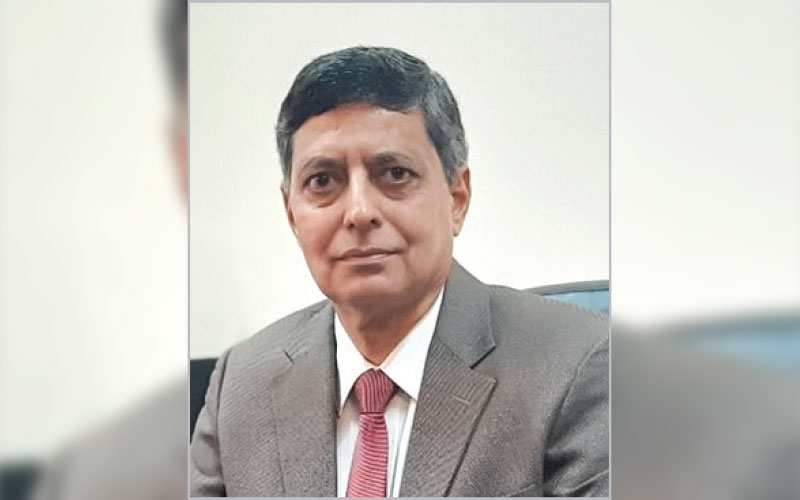
In an exclusive interaction with Paper Mart, Mr. Ganesh Balakrishna Bhadti, Executive Director (Operations & Projects), Seshasayee Paper and Boards Limited, reveals that the mill has stabilized its specific water consumption at around 42.7 m³/tonne, factoring in its diverse product portfolio and frequent grade changes. Moving ahead, the company aims to bridge the gap with global mill benchmarks by shifting its focus from end-of-pipe fixes to source-level treatments. By integrating advanced TDS and color removal systems at the source, the mill targets recovering an additional 4,500–5,000 m³/day, marking a strategic transition from operational efficiency to ‘regenerative’ water management.
Paper Mart: After implementing water reuse, recycling and closed-loop systems across your mill, what is your current specific consumption (m3/tonne) and has this figure stabilized in recent years?
Ganesh Bhadti: Our commitment to water circularity has brought our Specific Water Consumption (SWC) to approximately 42.7 m³/tonne of Equivalent Finished Product (EFP) for the period of 2025–26. While we have hit high-water marks of 42 m³/tonne, our current consumption represents a stabilized, optimized balance. It accounts for our diverse product portfolio and the frequent grade changes required by a dynamic market. Our sights are now set on narrowing the gap with global peer mill benchmarks.

Watch: Top Paper Companies 2023
PM: Under your present operating regime, where water reuse and recycling systems are already in place, what operational challenges have emerged in terms of process stability, machine performances or water quality?
GB: We have successfully pushed our recycling rate from 22% to 38%. However, high-level circularity brings physical constraints. Our primary challenge is spatial—limited storage for recycled volumes. We strategically utilize freshwater to maintain the continuity of operations and restore post maintenance cycles of upstream or downstream units. This ensures process continuity and prevents system imbalances that can occur when a closed loop is momentarily interrupted.

Purging is the “safety valve” of a closed-loop system. We periodically remove water to mitigate the buildup of COD, BOD, and color carryover, which also prevents anaerobic odor formation. This controlled purge essentially defines our “freshwater floor”—the absolute minimum intake required to dilute contaminants and ensure sustained performance.
PM: At your current level of system closure and reuse, what process, raw material or product quality requirements limit further reduction in freshwater consumption?
GB: In an integrated chemical mill, we are primarily battling the physics of accumulation—specifically Total Dissolved Solids (TDS) and sodium levels. As we close the loop further, Non-Processing Elements (NPEs) tend to build up. If left unchecked, these affect pulp washing efficiency, strain our chemical recovery cycles, and lead to equipment scaling. We cannot compromise on the structural integrity of our machinery or the final quality of products that our customers expect from us. In order to mitigate these limitations, we are working on various options to address in NPE build up.
PM: In highly recycled operating conditions such as yours, do you periodically purge water from the system? What operational factors make this necessary and how does it define your minimum freshwater intake?
GB: Absolutely. Purging is the “safety valve” of a closed-loop system. To maintain a steady state, we periodically remove water to mitigate the buildup of COD, BOD, and color carryover, which also prevents anaerobic odor formation. This controlled purge essentially defines our “freshwater floor”—the absolute minimum intake required to dilute contaminants and ensure sustained performance.
PM: With closed-loop and reuse systems already implemented, how do you determine where freshwater must still be used versus where recycled water can be used within different sections of the mill?
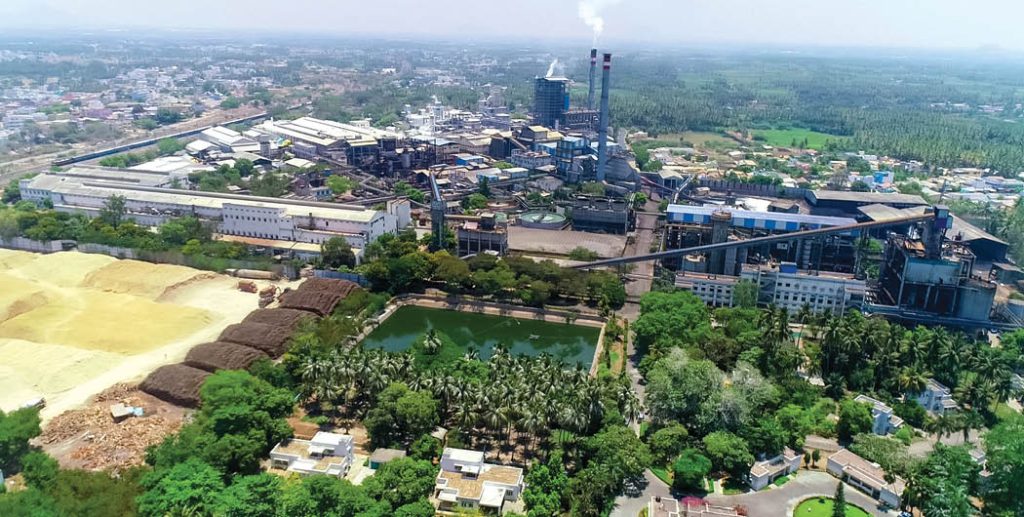
GB: We employ a graded water management strategy. Freshwater is treated as a premium asset, reserved strictly for high-sensitivity operations such as final pulp washing, boiler feed, chemical preparation, and critical paper machine showers.
Conversely, recycled water, which now meets 36–40% of our total requirement, is the workhorse for raw material washing, cooling systems, and general utilities. This “fit-for-purpose” allocation allows us to maximize reuse without risking operational reliability.
Under our existing setup, we have reached a practical plateau. To push beyond this would require a fundamental shift in our technological approach rather than just further tightening of existing valves. Our next strategic leap involves the treatment of RDH EOP filtrate and colored process water.
PM: Under these highly recycled conditions, what water quality or system parameters do you monitor most closely and how do they influence decisions related to reuse levels, purging or freshwater intake?
GB: We keep a vigilant eye on turbidity (maintaining a target below 5 Nephelometric Turbidity Units (NTU)) and brightness. These are our “canaries in the coal mine.” If these parameters drift, it signals system saturation. Without moving toward advanced tertiary treatments, further recycling at this stage would likely trigger microbiological growth and deposit formation.
PM: After implementing available water reuse and recycling measures, have you reached a practical limit to further water reduction under your current operating configuration? What technical or operational factors define this limit?
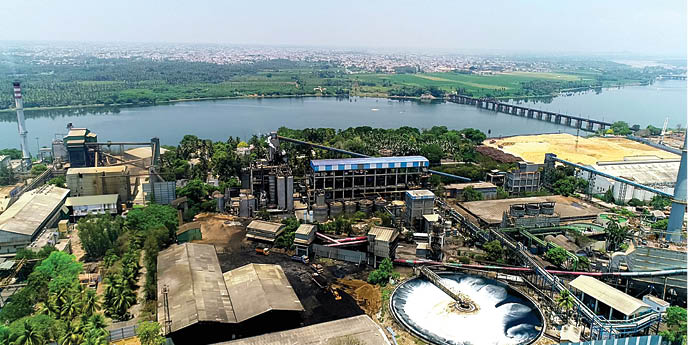
GB: Under our existing setup, we have reached a practical plateau. The gradual concentration of organic contaminants creates a specific set of hurdles: elevated TDS levels, higher bio-fouling risks, and potential odor issues in the white-water circuits of PM2 and PM3. To push beyond this would require a fundamental shift in our technological approach rather than just further tightening of existing valves.
Also Read: Emami Paper Mills Stabilizes Water Consumption at 10.9 m3/Tonne
PM: Beyond your existing systems and processes, what types of improvements or changes would be necessary to reduce water consumption further?
GB: The future lies in source-level treatment rather than end-of-pipe fixes. Our next strategic leap involves the treatment of RDH EOP filtrate and colored process water. By integrating advanced TDS and color removal systems directly at the source, we see a clear path to recovering an additional 4,500–5,000 m³/day. This is how we move from being “efficient” to being “regenerative.”