
In an exclusive interaction with Paper Mart, Mr. SVR Krishnan, CEO, Sripathi Paper and Boards shares that the mill’s fresh water consumption has stabilized at 2 m³/tonne in the last eighteen months, which is the lowest among the multiple grade paper mills. The paper and paperboard manufacturer is further fine tuning its processes by adding an effective quaternary clarifier system with multi grade filament filter and additional RO modular systems to further reduce COD and TDS in backwater. Sripathi Paper and Boards is also developing a bio-methanation plant in collaboration with globally reputed suppliers and partnering with IIT Madras’ School of Sustainability to drive innovation and process efficiency in water management.

Paper Mart: After implementing water reuse, recycling, and closed-loop systems across your mill, what is your current specific freshwater consumption (m³/tonne), and has this figure stabilized in recent years?
SVR Krishnan: At present, our fresh water consumption is 2m³/tonne, which is the lowest in the multiple grades paper mill, manufacturing, kraft, newsprint, writing & printing papers and coated duplex boards. In the last eighteen months, the consumption has stabilized and further fine tuning is happening to close the water circuit in totality. However, we are facing some challenges to achieve this goal.

Watch: Top Paper Companies 2023
PM: Under your present operating regime, where water reuse and recycling systems are already in place, what operational challenges have emerged in terms of process stability, machine performance, or water quality?
SK: We face many challenges when we cross 75% of the water closure, such as higher Chemical Oxygen Demand (COD), Total Dissolved Solids (TDS) and higher conductivity etc, along with other inorganic compounds.
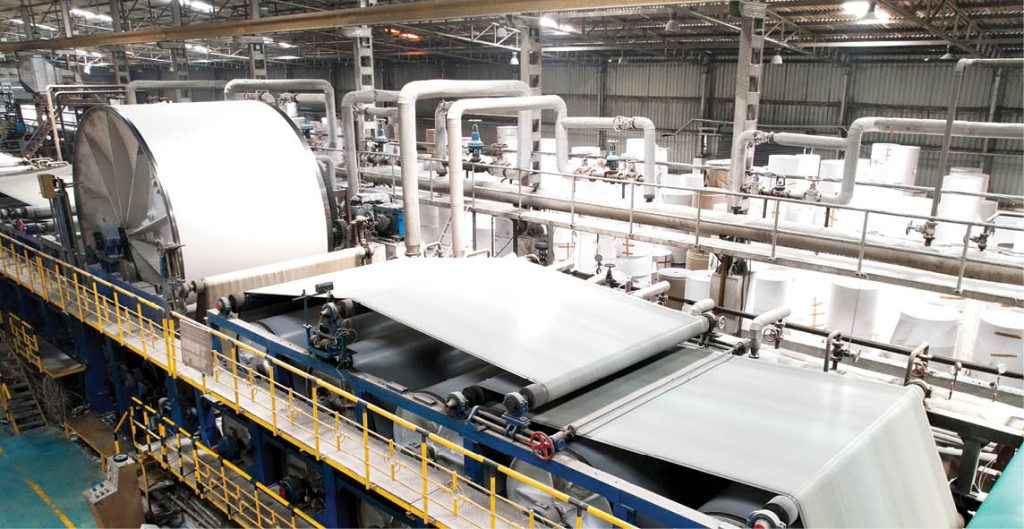
Initially, there were heavy deposits in the wet end systems, causing a huge number of web breaks on the paper machines due to slime holes, heavy rejection of the final product, and calendar stamping etc. Slowly, things were addressed and resolved one by one, through strengthening of screening & cleaning systems and chemical treatment at various points.
Though things are brought under manageable levels, they are still not away from the sudden shocks with respect to poor runnability on the machine, heavy rejections due to poor cleanliness and higher chemical consumption etc.
PM: At your current level of system closure and reuse, what process, raw material, or product quality requirements limit further reduction in freshwater consumption?
SK: Poor machine runnability of both paper and board machines, higher levels of off quality production, subsequent rejection in downstream operations and poor Overall Equipment Effectiveness (OEE) of the machines are some of the challenges that limit further reduction in freshwater consumption.
We regularly monitor pH, TSS, TDS, BOD, COD and the presence of organic and inorganic components, along with the heavy metals. Based on the tested values and the machine performance, some fresh water top-up is being done on a weekly basis or sometimes in between for effective operations across the mill.
PM: In highly recycled operating conditions such as yours, do you periodically purge water from the system? What operational factors make this necessary, and how does it define your minimum freshwater intake?
SK: In general, we don’t purge backwater from the system, except when the grade order changes. As mentioned earlier, the backwater is being treated at various stages with process chemicals. Fresh water is being used in some critical high pressure showers and for chemical preparation at the wet-end section and also at the coating color kitchen (CCK).
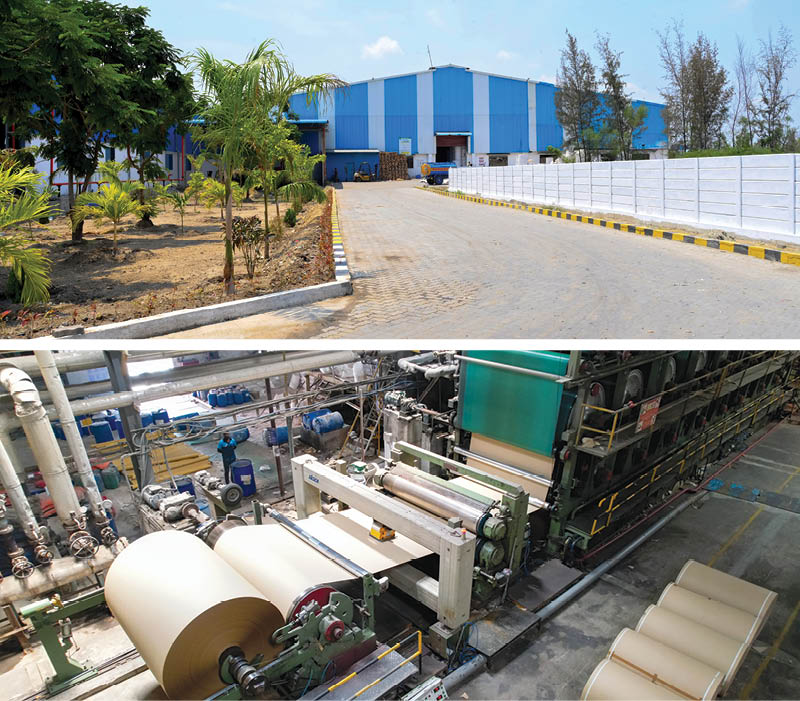
PM: With closed-loop and reuse systems already implemented, how do you determine where freshwater must still be used versus where recycled water can be used within different sections of the mill?
SK: Fresh water addition is being done for the critical showers and chemical preparation and also to compensate for the evaporation loss from the system. For all the pulpers, process dilution, machine cleaning and general house keeping, we only use backwater by recycling.
PM: Under these highly recycled conditions, what water quality or system parameters do you monitor most closely, and how do they influence decisions related to reuse levels, purging, or freshwater intake?
SK: We regularly monitor pH, TSS, TDS, BOD, COD and the presence of organic and inorganic components, along with the heavy metals. Based on the tested values and the machine performance, some fresh water top-up is being done on a weekly basis or sometimes in between for effective operations across the mill.
Also Read: Chandpur Paper Maintains Optimal Fresh Water Consumption at 4–4.5 m³/Tonne
PM: After implementing available water reuse and recycling measures, have you reached a practical limit to further water reduction under your current operating configuration? What technical or operational factors define this limit?
SK: Yes, we have reached a very optimum level of fresh water consumption and beyond this extent, it will become extremely difficult to maintain the machine runnability and meet the quality specification of the final product.
PM: Beyond your existing systems and processes, what types of improvements or changes would be necessary to reduce water consumption further?
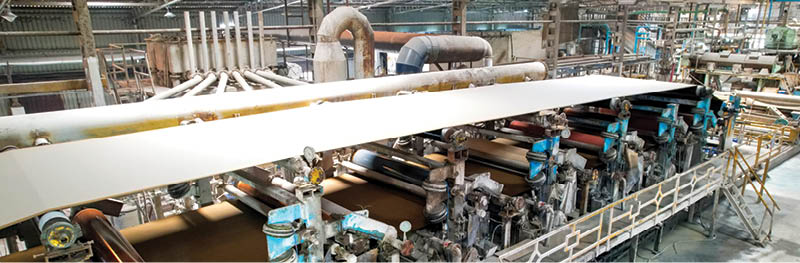
SK: Though it is extremely difficult to reduce water consumption further, we are still working on strengthening the mechanical & chemical treatment of the back water to reduce COD and TDS, by the way of an effective quaternary clarifier system with multi grade filament filter and additional RO modular systems.
We are also working for the bio-methanation plant/bio-gas plant with globally renowned suppliers and are partnering with the Indian Institute of Technology–Madras (IIT-Madras), School of Sustainability to further advance our technologies and processes for effective water management.