
In an exclusive interaction with Paper Mart, Mr. Amit Mittal, MD and CEO, Chandpur Paper, shares that the mill has achieved an optimal level of freshwater usage at approximately 4–4.5 m³/tonne of production, without compromising on the quality of finished product. Moving ahead, the mill continues to explore advanced technologies and process enhancements in wastewater treatment, water recycling, and overall process optimization to further reduce freshwater consumption.
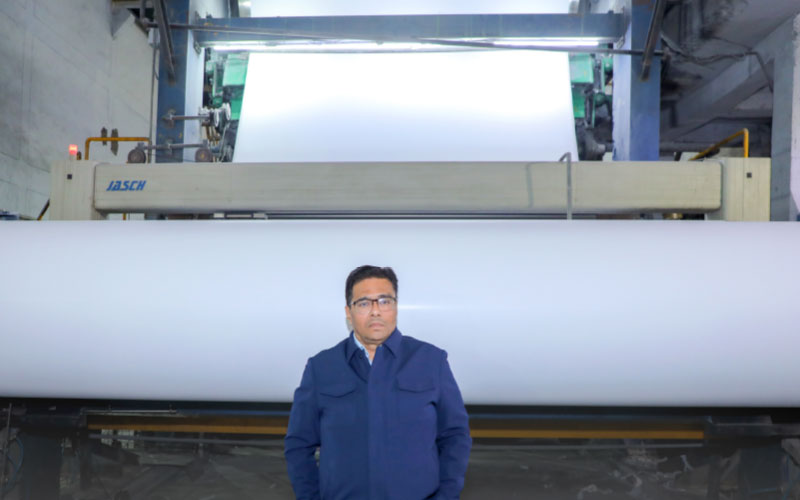
Paper Mart: After implementing water reuse, recycling, and closed-loop systems across your mill, what is your current specific freshwater consumption (m3/tonne), and has this figure stabilized in recent years?
Amit Mittal: Our current specific freshwater consumption is approximately 4–4.5 m3/tonne of production. Over the past few years, after implementing closed-loop water systems, recycling processes, and improved wastewater treatment, this figure has remained largely stable, indicating that our systems are operating at an optimized level.

Watch: Top Paper Companies 2023
PM: Under your present operating regime, where water reuse and recycling systems are already in place, what operational challenges have emerged in terms of process stability, machine performance, or water quality?
AM: Operating under a high level of water reuse presents certain challenges, including increased consumption of process chemicals and a reduction in the life of machine clothing such as wires and felts. We, at Chandpur Paper, have reached optimum level of freshwater consumption that does not affect the quality of our finished product.
PM: At your current level of system closure and reuse, what process, raw material, or product quality requirements limit further reduction in freshwater consumption?
AM: As a waste paper–based paper manufacturing facility, there are inherent limitations to reducing freshwater consumption beyond a certain level. Adequate freshwater input is necessary to maintain fiber quality, process stability, and the consistency and quality of our finished products.
We closely monitor water quality parameters such as suspended solids, COD/BOD levels, pH, and microbial load, along with process performance indicators. Monitoring important water quality parameters ensures that water reuse does not negatively impact machine performance, chemical efficiency, or product quality.
PM: In highly recycled operating conditions such as yours, do you periodically purge water from the system? What operational factors make this necessary, and how does it define your minimum freshwater intake?
AM: We do not practice periodic purging of water from our system. All machine effluent is either recycled after primary treatment or directed to our Effluent Treatment Plant (ETP), where it undergoes biological treatment before being safely discharged for irrigation purposes.
PM: With closed-loop and reuse systems already implemented, how do you determine where freshwater must still be used versus where recycled water can be used within different sections of the mill?
AM: We have carefully optimized our process to strategically allocate freshwater and recycled water across different sections of the mill. Freshwater is used in areas where higher water quality is critical, while treated and recycled machine effluent is used in other process stages, allowing us to minimize freshwater dependency without compromising product quality.
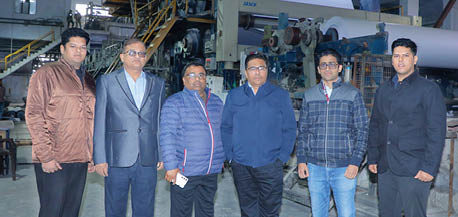
PM: Under these highly recycled conditions, what water quality or system parameters do you monitor most closely, and how do they influence decisions related to reuse levels, purging, or freshwater intake?
AM: Under these operating conditions, we closely monitor water quality parameters such as suspended solids, COD/BOD levels, pH, and microbial load, along with process performance indicators. Monitoring important water quality parameters ensures that water reuse does not negatively impact machine performance, chemical efficiency, or product quality.
PM: After implementing available water reuse and recycling measures, have you reached a practical limit to further water reduction under your current operating configuration? What technical or operational factors define this limit?
AM: We have utilized the latest technologies for waste water treatment to improve the quality of treated water to reduce our dependency on fresh water. We are constantly exploring feasible technologies to further limit and reduce our freshwater consumption without affecting our product quality.
Also Read: Suzano Stabilizes Specific Water Consumption at 7 m³/Tonne Across Brazil Operations
PM: Beyond your existing systems and processes, what types of improvements or changes would be necessary to reduce water consumption further?
AM: We continue to explore new technologies and process improvements in wastewater treatment, water recycling, and process optimization. Any future reductions in freshwater consumption would likely depend on advancements in treatment technologies and further improvements in system efficiency, while ensuring that product quality standards are maintained.

Any future reductions in freshwater consumption would likely depend on advancements in treatment technologies and further improvements in system efficiency, while ensuring that product quality standards are maintained.