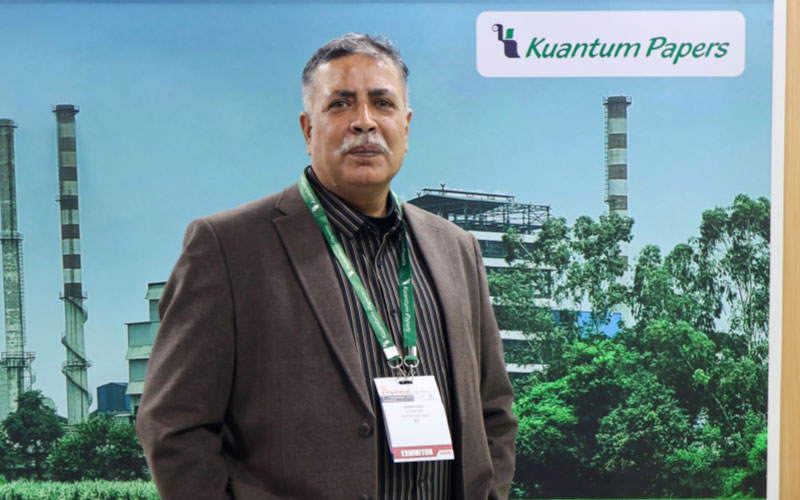
In an exclusive interaction with Paper Mart, Mr. Jagdeep Hira, CEO of Operations, Kuantum Papers Limited, shares that the Indian paper industry’s fiber landscape has become structurally more complex over the last decade. From a relatively balanced mix of agro-residues, bamboo, hardwood and recycled fiber, it has now evolved into a system dominated by recovered paper. Kuantum Papers has consistently maintained a 50:50 agro and wood-based furnish ratio, leveraging the strengths of both sources and ensuring flexibility in meeting customer and product requirements. The company has extensively invested in social farm forestry initiatives and high-yield clonal development programmes, building a strong supply chain network for both raw materials at optimal pricing throughout the year.
Paper Mart: How would you describe the current fiber landscape in India, and what major shifts have you observed in recent years in terms of availability patterns, pricing dynamics, supply reliability, and the balance between domestic sourcing and import dependence across different fiber sources?
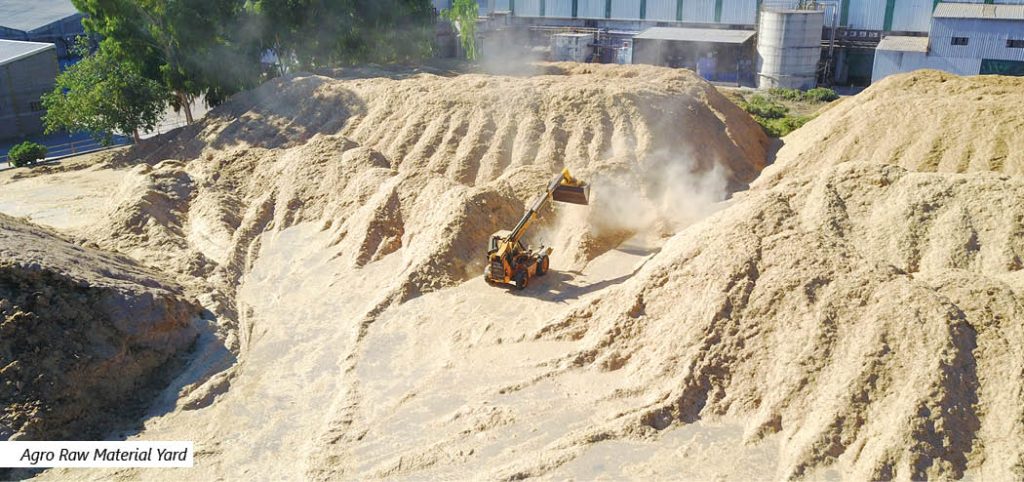
Jagdeep Hira: The Indian paper industry’s fiber landscape has become structurally more complex over the last decade. Earlier, there was a relatively balanced mix of agro-residues, bamboo, hardwood and recycled fiber which has now evolved into a system dominated by recovered paper, with increasing exposure to global markets and logistics risks. Currently, recovered paper contributes ~73-76% of the overall fiber mix, while wood and bamboo continue to hold ~18-21%, with agro-residues accounting for a smaller but relevant share, i.e ~6-9%. The biggest structural change has been the industry’s shift toward recovered fiber, especially for packaging grades such as kraft paper, duplex board and containerboard due to the accelerated growth in the e-commerce segment.
Domestic collection systems have improved considerably, especially across urban India, yet challenges around contamination, inconsistent segregation quality, OCC (Old Corrugated Containers) availability and seasonal shortages around monsoon and festive demand peaks continue to impact supply reliability. Agro-residue availability has improved in recent years with year-on-year bumper wheat crops, though it continues to be impacted by climatic conditions and competing end-use industries. Wood availability in India continues to be impacted by alternate industrial demand from plywood and MDF industries and also due to environmental government policies. However, paper mills in India are working extensively on ‘Social Farm Forestry’ to move towards being wood positive.
Imported pulp and recovered paper have therefore become an important balancing mechanism for Indian mills, though it remains vulnerable to geopolitical disruptions, freight fluctuations and quality inconsistencies.

Watch: Top Paper Companies 2023
PM: How has your fiber mix evolved over time across wood, agro and recycled sources, and what have been the key drivers behind these changes: whether related to cost pressures, raw material availability, product quality requirements, or strategic repositioning of your portfolio? If possible, could you also indicate the approximate shift in fiber proportions over the past few years?
JH: At Kuantum, we have always focused on creating a win-win ecosystem that supports both industry requirements and farmer prosperity.
Over the past several years, we at Kuantum Papers have consistently maintained a 50:50 agro and wood-based furnish ratio, enabling us to leverage the strengths of both sources and ensuring flexibility in meeting evolving customer and product requirements. Being located in one of India’s largest wheat-growing regions has provided strong access to agro-residues, although climatic variations continue to influence availability and pricing dynamics. The evolution of our fiber mix has also been influenced by regional raw material optimization, ESG commitments and initiatives aimed at addressing environmental concerns such as stubble burning.
On the other hand, we have strategically strengthened our wood-based ecosystem through extensive Social Farm Forestry initiatives and high-yield clonal development programmes. Our efforts have focused on developing and promoting high-yield Eucalyptus, Casuarina and Bamboo cultivation in the vicinity of our mill in Punjab and also the neighbouring state of Himachal. Today, our plantation initiatives support more than 19,000 farmers with the coverage of over 18,000 acres of land, reflecting our commitment towards building a secure and environmentally responsible fiber ecosystem.

Our fiber strategy has always been dynamic, balancing seasonal availability, cost and fiber characteristics.
PM: How do you approach fiber strategy within your organization, and to what extent is it influenced by product mix, grade requirements, and customer expectations, as opposed to market-driven constraints such as availability and price volatility?
JH: Our fiber strategy has always been dynamic, balancing seasonal availability, cost and fiber characteristics. Having an equal proportion of both agro and wood raw materials gives us an edge and allows us to cater to customer needs as per their end-product requirement. Stringent input and process controls, supported by state-of-the-art technologies, enable us to remain cost-competitive while maintaining superior quality standards.
We have also invested extensively in the development of high-yield clonal species that deliver superior wood fiber strength, supporting the growing demand for high-performance and value-added paper products.
Our manufacturing processes are backed by well-adapted technologies, enabling us to maintain stable input quality. This integrated approach ensures consistent product quality and allows us to respond effectively to the ever-evolving market and end-customer requirements.
PM: How do you evaluate and balance trade-offs between cost efficiency, quality consistency, and supply security in fiber sourcing, especially during periods of volatility, and are there defined internal thresholds, benchmarks, or triggers that guide shifts in fiber sourcing or blending?
JH: Over the last 45 years of operations, we have built a very strong supply chain network for both agro and wood raw material sourcing, which enables us to get a steady supply at optimal pricing throughout the year. We also place strong emphasis on maintaining a consistent furnish mix, minimising variability in raw materials and ensuring uniformity in the final product.
Kuantum Papers has always been known as a frontrunner in best technological adoption. The integration of best-in-class automation, AI-driven controls and enhanced digital visibility across our pulp cooking and bleaching sections has further enabled us to closely monitor and effectively control critical process parameters, resulting in higher yield, lower variability and cost with enhanced quality of pulp.
We ensure that the best technology is in place, ensuring enhanced productivity, consistent quality and optimal pricing of the product.
Paper mills in India are working extensively on ‘Social Farm Forestry’ to move towards being wood positive. Imported pulp and recovered paper have become an important balancing mechanism for Indian mills, though it remains vulnerable to geopolitical disruptions, freight fluctuations and quality inconsistencies.
PM: How is your approach evolving in terms of securing greater control over fiber sources through plantations, long-term contracts, or structured sourcing ecosystems, and what proportion of your fiber sourcing would you consider to be under long-term control versus market-dependent procurement? Additionally, how do you balance the need for control with the flexibility to respond to changing market conditions?
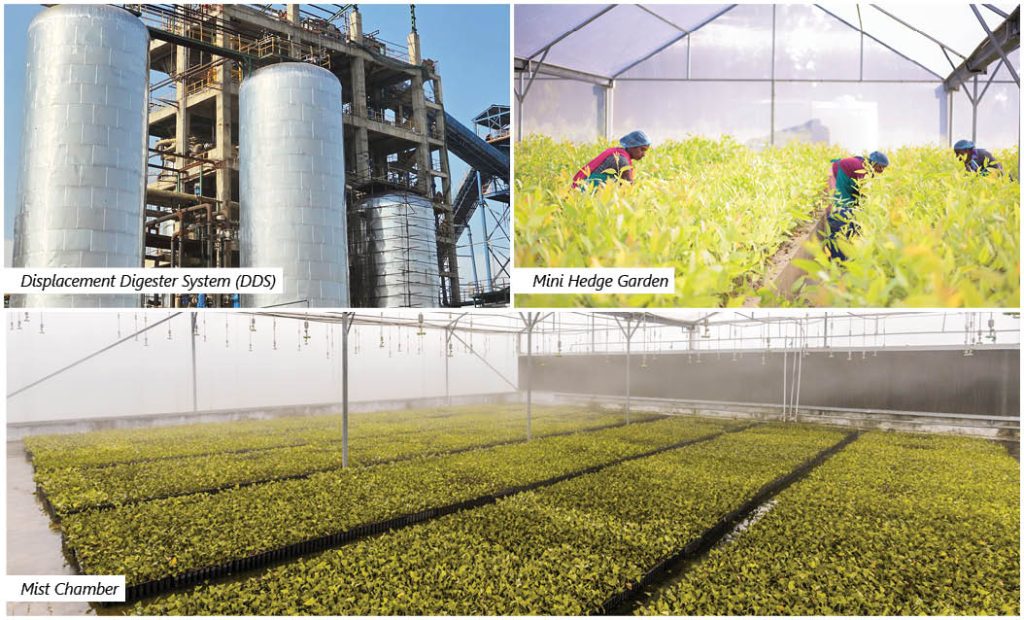
JH: The market will always remain dynamic, and our strategies keep evolving with time due to multiple and varied consumers for both wood and agro furnish. Over the years, our long-term strategic approach has been to invest heavily in the development and expansion of clonal nurseries with the objective of creating a wood-surplus ecosystem within our operating regions. This also includes the development of collection centres across locations, ensuring adequate availability and cost competitiveness.
As of now, as stated earlier, our sourcing model currently remains largely market dependent. We would be exploring opportunities to increase the land bank and strengthen self-sufficiency, thereby reducing reliance on open-market procurement over the long term. Going forward, our strategies will evolve in alignment with supportive government policies and guidelines, particularly those encouraging farm forestry and forest lease reserve development.
The biggest structural change has been the industry’s shift toward recovered fiber, especially for packaging grades such as kraft paper, duplex board and containerboard due to the accelerated growth in the e-commerce segment.
PM: How do variations in fiber sources or blends impact key operational parameters such as process efficiency, yield, machine runnability, chemical consumption, and final product quality, and how frequently or under what conditions are such adjustments typically made?
JH: Variability in fiber mix can significantly impact operational stability and process consistency. At Kuantum Papers, we have built a strong technological infrastructure to counter any variability impacting operational efficiencies.
Ensuring the right quality and consistency of input material remains a key priority for us and we ensure this with minimal changes in raw material mix.
PM: What are the key operational and logistical challenges you encounter in ensuring consistency and reliability of fiber supply across sources such as wood, agro residues, and recycled paper, how is your sourcing network structured (for example, through plantations, aggregators, depots, or import channels), and how do factors like region, seasonality, and infrastructure influence your strategy?
JH: The adoption of a secured and strategic procurement model, supported by long-term and volume-based contracts, has been a key focus area in avoiding any seasonal eventuality. Social Farm Forestry Plantations are a key initiative adopted a few years back and we are continuously expanding that vertical.
We are also actively exploring strategic partnerships with primary producers to directly support and benefit the farmers. The organisation is making substantial investments in its Clonal Propagation Centre (CPC) as well as expansion in the dedicated plantation workforce to ensure direct reach, support and penetration at the grassroots level.
Also Read: STAR PAPER MILLS: Leverages Its Singular Fiber Inventory As A Tool to Balance Cost, Quality and Availability
PM: To what extent are process improvements or technological interventions enabling you to optimize fiber utilization or expand sourcing flexibility, and could you share specific examples, along with any measurable impact, where technology has helped mitigate fiber constraints or improve efficiency?
JH: Our facilities are equipped with state-of-the-art Centricleaning Systems up to the quadrant level, enabling effective impurity removal and improved fiber recovery. In addition, close-looping of process water systems supports resource optimisation and enhances overall operational sustainability. All paper machines are equipped with advanced CD profiling systems to maintain optimal moisture levels and reduce fiber utilisation. We also operate an integrated PCC plant, which enables efficient fiber replacement while maintaining product performance and cost competitiveness.
Further strengthening our technological capabilities, the DDS (Displacement Digester System) for cooking is being installed to ensure a better yield. The system is expected to be commissioned by the end of Q1 and is projected to deliver approximately 1% higher yield as compared to conventional cooking systems.
Kuantum Papers’ long-term approach is to invest in the development and expansion of clonal nurseries to create a sustainable wood-surplus ecosystem within its operating regions.