
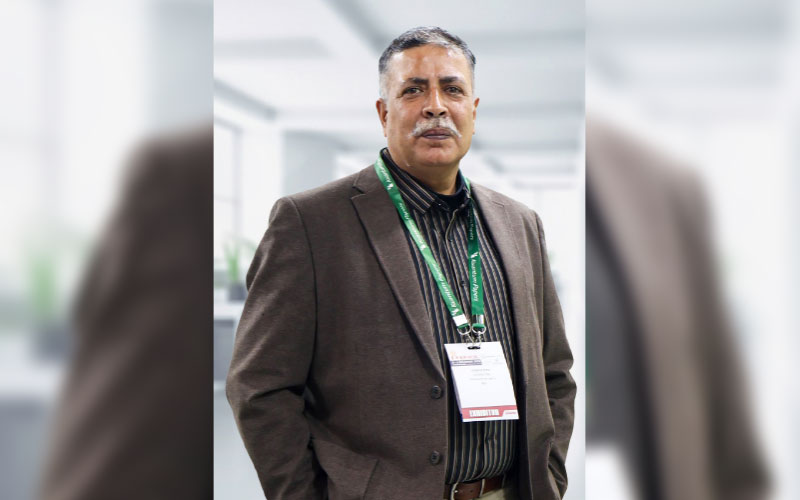
In an exclusive interview with Paper Mart, Mr. Jagdeep Hira, Whole-Time Director & CEO (Operations), Kuantum Papers Limited, discusses the company’s progress in advancing its green transition through water conservation, energy efficiency, sustainable fibre sourcing and resource recovery. He highlights key initiatives, including black liquor recovery, wastewater recycling, pollution control systems and plantation programmes, supported by investments of over INR 30 crore in environmental infrastructure. The company is also focused on strengthening circular resource management, expanding renewable energy adoption and implementing a formal decarbonisation roadmap. Looking ahead, Kuantum Papers aims to bring water consumption below 35 m³ per tonne of paper and further reduce it to 30 m³ per tonne over the next two to three years through enhanced water conservation, recycling and reuse initiatives.
Paper Mart: What measurable progress has your mill made since 2022-23?
Jagdeep Hira: Kuantum Papers has made significant progress across water stewardship, environmental investment, circular resource use and biodiversity conservation. Approximately 50% of the mill’s water requirement is now being met through canal water, substantially reducing groundwater dependence. The company has invested over INR 30 crores in environmental infrastructure, including effluent treatment, air pollution control systems, online monitoring systems, water recycling facilities and rainwater harvesting structures. Green belt development has reached approximately 117 acres, representing over 45% of the total plant area, with more than 1.27 lakh trees.
Environmental compliance has been consistently maintained with no major non-compliance reported by regulatory authorities.

Watch: Top Paper Companies 2023
PM: How is the mill reducing energy use and carbon emissions?
JH: The mill follows a circular manufacturing model through the recovery and utilisation of black liquor in its Chemical Recovery Plant. The recovery system supports steam and power generation through the co-generation facility, reducing dependence on external fossil-fuel-based energy sources. Continuous process optimisation, water recycling, condensate recovery and the modernisation of production systems help improve overall resource efficiency. Additionally, the company is working towards strengthening its climate action strategy, aimed at reducing its carbon footprint, improving energy efficiency and minimising greenhouse gas emissions across operations. By promoting cleaner and more efficient processes through renewable energy projects, such as the installation of rooftop solar systems in nearby communities, the company is taking proactive steps towards climate change mitigation.
PM: How far has water use been reduced?
JH: Water conservation continues to be a key focus area in the company’s sustainability journey. About 50% of water demand is now fulfilled through surface water from the Kandi Canal, reducing pressure on groundwater resources. The mill operates a condensate polishing unit, rainwater-harvesting systems, and wastewater reuse systems that enable treated effluent to be reused for plantations, irrigation and other suitable applications. The company targets water consumption of below 35 m³ per tonne of paper, with the aim of further reducing it to 30 m³ per tonne of paper over the next 2-3 years through increased water recycling and reduced freshwater intake.
PM: What is changing in fibre sourcing and efficiency?
JH: Kuantum Papers continues to strengthen sustainable fibre sourcing through agro-forestry and social forestry programmes. The company has invested substantially in plantation development and farmer engagement initiatives to support long-term availability of sustainable fibre resources. Soil testing programmes and advisory support to farmers are being implemented to improve plantation productivity and fibre quality. Capacity expansion has been designed to improve production efficiency, while utilizing existing infrastructure and resource recovery systems.

Approximately 50% of the mill’s water requirement is now being met through canal water, substantially reducing groundwater dependence.
PM: What has improved in effluent, emissions and chemicals?
JH: The mill operates advanced pollution control and monitoring systems, including continuous online monitoring of emission and effluent parameters for both air and water. Black liquor recovery ensures the maximum possible recovery of chemicals and energy from the pulping process. Electrostatic precipitators are installed on boilers and recovery systems, helping maintain particulate emissions well within regulatory limits. Groundwater, ambient air and effluent quality are monitored regularly through accredited laboratories. Biological treatment and sludge-management improvements have further enhanced environmental sustainability.
PM: How much of the mill waste is recovered or reused?
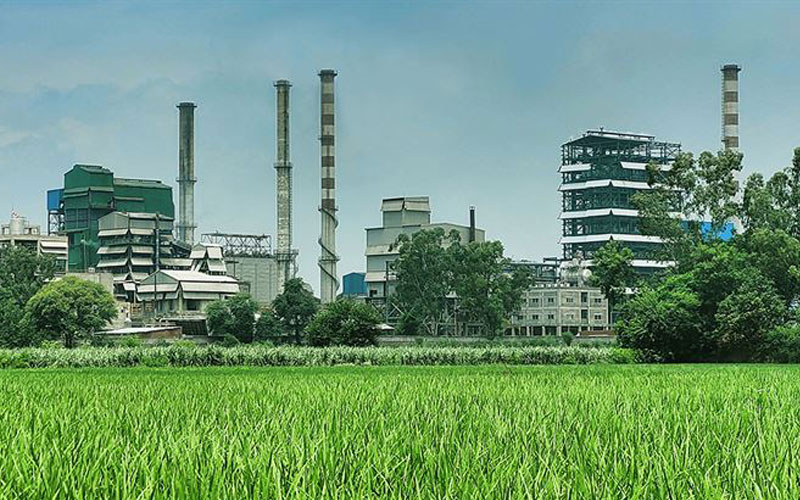
JH: Circular-economy principles are integrated into operations. Black liquor generated during pulping is recovered and reused through the Chemical Recovery Plant for energy and chemical recovery. Treated wastewater is reused for irrigation, agro-forestry and green belt development. The mill utilises fly ash through partnerships with cement and brick manufacturers. Wastewater treatment sludge is managed through improved bio-cleaner technologies that enhance nutrient recovery and treatment efficiency. Hazardous waste is disposed of only through authorized facilities.
PM: What has the green transition required in investment?
JH: The company has committed over INR 30 crore to environmental management initiatives, reflecting its continued focus on strengthening environmental performance and sustainable operations. These investments have supported the development and upgradation of key environmental infrastructure, including the Effluent Treatment Plant, Chemical Recovery Plant expansion, Electrostatic Precipitators (ESP), Online Continuous Emission Monitoring Systems (OCEMS), Condensate Polishing Unit, rainwater harvesting systems, green belt development, groundwater monitoring infrastructure and air quality monitoring stations. In addition, the company has invested INR 8.82 crores in community development expenditure and socio-environmental programmes including agro-forestry, drinking water, wastewater reuse infrastructure and renewable energy initiatives.
Kuantum Papers continues to strengthen sustainable fibre sourcing through agro-forestry and social forestry programmes.
PM: What is holding back further progress?
JH: At Kuantum, we remain committed to strengthening our sustainability efforts and addressing emerging environmental challenges through innovation and responsible manufacturing. Taking these efforts further requires substantial capital investment in advanced decarbonization technologies, increased renewable-energy deployment and higher levels of water recycling.
The paper industry also faces challenges related to technology costs, climate-related water stress, evolving environmental regulations and the need for continued development of sustainable fibre resources. Despite these challenges, Kuantum Papers continues to invest proactively in environmental performance improvements.
PM: What are the mill’s next measurable targets?
JH: The mill’s key environmental and ESG priorities include further reducing dependence on groundwater while increasing the utilisation of canal water. The company aims to bring water consumption below 35 m³ per tonne of paper and further reduce it to 30 m³ per tonne of paper over the next 2-3 years through enhanced water conservation, recycling and reuse initiatives. Other priorities include implementing a formal decarbonisation roadmap, expanding carbon sequestration and plantation initiatives, increasing wastewater recycling and reuse, and continuing to strengthen environmental monitoring systems to ensure compliance with evolving regulatory requirements.
Also Read: Paper Mart Emagazine Oct-Nov, 2026
PM: What will make the next significant difference?
JH: The next phase of environmental performance improvement will come from deeper water circularity, enhanced decarbonization measures, expanded renewable energy adoption, increased carbon sequestration through plantation programmes, and further optimization of chemical and energy recovery systems. Continued investments in digital monitoring, cleaner production technologies and circular-economy practices are expected to generate measurable ESG benefits in the coming years.
With a current paper manufacturing capacity of 540 TPD and plans to expand agro-pulp and hardwood-pulp capacities by 20%, Kuantum Papers remains focused on scaling its operations responsibly. Its energy infrastructure comprises a 28 MW co-generation power plant, supported by an additional 10 MW of standby capacity, with power generation integrated with black liquor-based recovery systems. Reinforcing its commitment to environmental stewardship, the company maintains a green belt spread across 117 acres, accounting for 45% of its total land area, with more than 1.27 lakh trees planted.
Beyond its operational footprint, the company continues to advance sustainability through social forestry initiatives that extend plantation support and technology to farmers, promote responsible land use and create additional income opportunities. Its community development initiatives, backed by an expenditure of INR 8.82 crore, further strengthen its contribution to local welfare and inclusive development.
The proposed expansion is expected to generate 100 additional employment opportunities, improving livelihoods and supporting nearby communities. By aligning business growth with environmental responsibility and community welfare, Kuantum Papers strives to generate enduring value for all its stakeholders.
We remain committed to strengthening our sustainability efforts and addressing emerging environmental challenges through innovation and responsible manufacturing.