
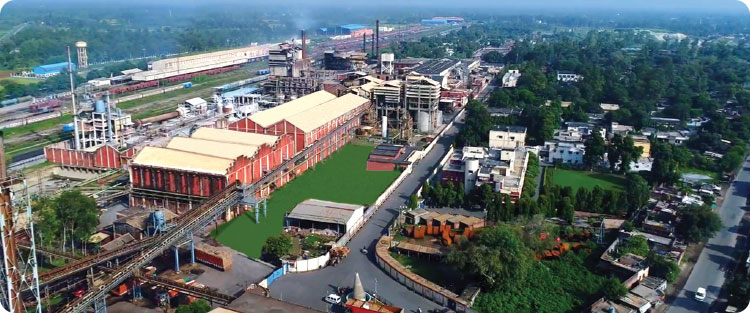
In an exclusive interaction with Paper Mart, Mr. Madhukar Mishra, Managing Director, Star Paper Mills Limited, outlines how the mill is advancing its green transition through energy efficiency, biomass utilisation, water recycling and improved effluent management. Its ongoing efforts have resulted in an 11.4% reduction in GHG emission intensity, an 18.3% reduction in specific thermal energy consumption and a 13.6% reduction in coal consumption. The mill utilises black liquor, bagasse, bark and sawdust as biomass fuels, while treated water recovery and reuse currently meet approximately 26% of its water requirement. Looking ahead, Mr. Mishra highlights the ongoing biomass substitution in utility boilers and the co-generation power plant upgrade as key initiatives to further reduce fossil fuel dependence and improve energy efficiency.

Paper Mart: What measurable progress has your mill made since 2022-23 / Baseline FY 2023-24?
Madhukar Mishra: Two significant environmental improvements have been achieved by the mill: GHG emission intensity has been reduced by 11.4%, while specific thermal energy consumption has decreased by 18.3%.
PM: How is the mill reducing energy use and carbon emissions?
MM: The main reduction drivers of energy use and carbon emissions include a decrease in specific energy intensity combined with increased usage of Bio-derived fuel. Regarding renewable/biomass share, biomass fuels (black liquor, bagasse, bark, sawdust, etc.) remain extensively utilized, while renewable/biomass energy contribution is estimated at ~58%. The mill has achieved a 13.6% reduction in coal consumption.
However, coal-fired AFBC utility boilers continue to remain the largest source of fossil carbon emissions.

Watch: Top Paper Companies 2023
PM: How far has water use been reduced?
MM: At Star Paper Mills, freshwater intake intensity has reduced by 20%, while the water reuse/recycling rate has increased by 26%.
The main constraint in further reducing water consumption is the increasing pollutant load in water. This is due to reduced water usage, on the one hand, and the need to maintain the required process water quality, on the other.
PM: What is changing in fibre sourcing?
MM: Star is primarily a wood-based integrated pulp and paper mill, utilising mixed hardwood. We have one of the highest proportions of waste wood in our furnish.
PM: What has improved in effluent, emissions and chemicals?
MM: In terms of air emissions, total GHG emissions have reduced by 11.4%, while direct emissions have decreased by 27.6% in absolute terms.
Regarding chemical recovery, there is a well established Recovery-Recaustisizing system which is functioning well.
In terms of effluent management, absolute water consumption has reduced by 20%, as mentioned earlier, while treated effluent recycling currently contributes 26% of the mill’s total water consumption. Furthermore, the COD load has reduced by 30% following the installation of a tertiary treatment stage. Effluent parameters, such as BOD and COD, are better than the prescribed statutory requirements.
PM: How much of the mill’s waste is now being recovered or reused?
MM: Star Paper Mills has several waste recovery and reuse systems integrated into its operations. Black liquor is recovered and utilised in the recovery boiler, while chemical recovery is integrated with the pulping operations. Bark, bagasse and other biomass residues are utilised as fuel. Additionally, approximately 26% of the mill’s water requirement is met through treated water recovery and reuse.
Black liquor recovery and utilisation offer both environmental and economic benefits, including fossil fuel displacement, chemical recovery and savings in steam generation costs. Furthermore, water recycling enhances long-term groundwater sustainability.

The main reduction drivers of energy use and carbon emissions include a decrease in specific energy intensity combined with increased usage of Bio-derived fuel.
PM: What has the green transition required in investment?
MM: The mill’s energy reduction initiatives have delivered measurable economic and environmental benefits, resulting in an 18.3% reduction in thermal energy consumption and an 11.4% reduction in GHG Emission Intensity (GEI).
However, substituting coal with biomass fuels presents certain challenges, particularly the limited availability of economically viable biomass sources in the vicinity of the mill.
PM: What is holding back further progress?
MM: Apart from the constraints mentioned earlier, process and product quality requirements also limit further reductions in water and energy consumption. The most significant constraint remains the mill’s dependence on coal-fired thermal energy generation.
PM: What are the mill’s next measurable targets?
MM: We intend to further reduce GHG emission and energy intensities while increasing the utilisation of renewable energy.
Also Read: Paper Mart Emagazine Oct-Nov, 2026
PM: What will make the next significant difference?
MM: We are upgrading our co-generation power plant to drive further improvements in energy efficiency and reduce carbon emissions.
- Biomass Substitution in Utility Boilers
Status: Under Implementation/Ongoing
We have substituted agro-based/biomass fuels in our coal-fired boiler. We will strive to increase this substitution further. This initiative is expected to lower Scope 1 emissions, reduce coal consumption and increase the renewable energy share to beyond approximately 60%. - Energy Efficiency Improvements in Steam and Power Systems
Status: Implemented and Continuing
We are installing a new Turbine, which will generate more power from same amount of steam then reducing coal percentage and emissions.
Black liquor recovery and utilisation offer both environmental and economic benefits, including fossil fuel displacement, chemical recovery and savings in steam generation costs.