In an exclusive interview with Paper Mart, Mr. Sebastian Heinzel, CEO, Heinzel Group, discusses the group’s progress in reducing its environmental footprint and advancing its decarbonisation strategy. Having achieved a 39.9% reduction in Scope 1 and market-based Scope 2 emissions since 2021, the group continues to focus on replacing fossil fuels, increasing the use of renewable energy, improving individual production processes and energy efficiency, and strengthening resource circularity across its mills. Heinzel highlights the growing role of biogas recovery, biogenic fuels and renewable electricity procurement, alongside improvements in water management, responsible fibre sourcing, effluent treatment and waste recovery. Looking ahead, the group aims to accelerate its transition through further investments in low-carbon technologies, energy infrastructure and resource efficiency, while working towards its 2030 targets for emissions reduction, freshwater consumption and waste minimisation.
Paper Mart: The Heinzel Group has reduced its Scope 1 and market-based Scope 2 emissions by 39.9% since 2021. What has driven this progress?
Sebastian Heinzel: There was no single breakthrough project. The reduction is the result of many coordinated measures across our mills: replacing fossil fuels, changing the energy mix and improving individual production processes. For us, decarbonisation is not a stand-alone environmental programme. It is an industrial transformation. Every solution must reduce emissions, work reliably at scale and preserve the competitiveness of our plants. We are close to our SBTi-validated 2030 target, but the final steps will be the most demanding.

Watch: Top Paper Companies 2023
PM: How are you changing the way energy is produced and used at your mills?
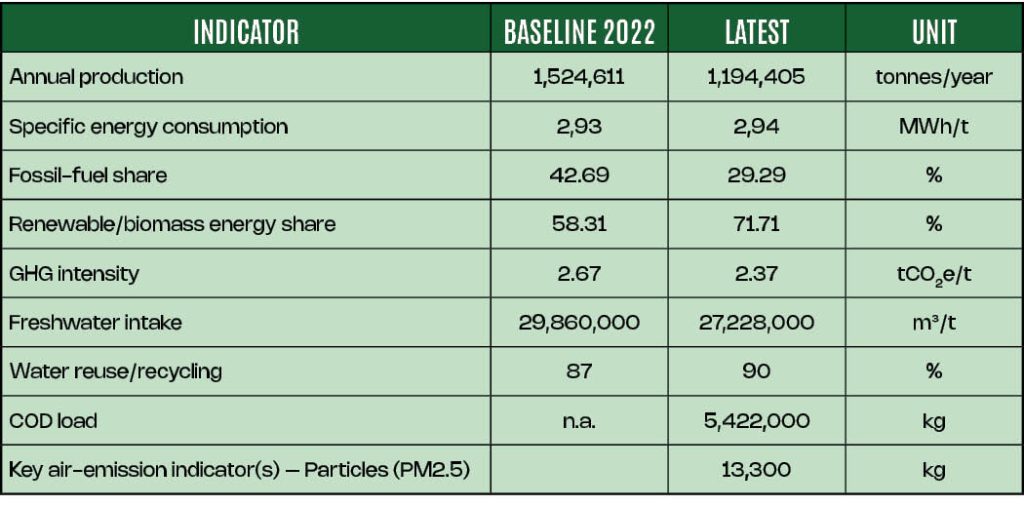
SH: We are replacing fossil energy wherever a technically robust alternative exists. Biogas from anaerobic wastewater treatment is substituting natural gas. We also use biogenic fuels for our boilers. At the same time, we are improving energy efficiency and expanding renewable electricity procurement through power purchase agreements and guarantees of origin. This combination has shifted our energy mix decisively: the renewable share increased from 58.31% to 71.71%. In an energy-intensive industry, the task is not simply to consume less. It is to use energy efficiently and replace fossil sources without compromising stable production.
PM: What role does water management play in your environmental strategy?
SH: Our aim is to keep water within the production cycle for as long as possible. Targeted measures, particularly at our pulp mills, have reduced total freshwater consumption by approximately 2.5 million cubic metres. The water reuse and recycling rate has increased from 87% to 90%. Stop-and-go production requires additional water during shutdowns and restarts, which can increase specific consumption. Environmental performance must therefore be assessed in its operational context. A single indicator rarely tells the whole story. Our aim is to keep water within the production cycle for as long as possible. Targeted measures, particularly at our pulp mills, have reduced total freshwater consumption by approximately 2.5 million cubic metres. The water reuse and recycling rate has increased from 87% to 90%. Stop-and-go production requires additional water during shutdowns and restarts, which can increase specific consumption. Environmental performance must therefore be assessed in its operational context. A single indicator rarely tells the whole story.
PM: How do you ensure that the fibre used in your products comes from responsible sources?
SH: Responsible sourcing starts with clear standards. Our wood and purchased pulp used in our pulp, paper and sawn-timber production are sourced with FSC or PEFC certification. Responsible forest management and credible supply chains are indispensable for the long-term acceptance of fibre-based products.
PM: Where do you currently stand on effluent, air emissions and chemical use?
SH: 2025 was the first year in which these indicators were consolidated at group level. However, the fact is that we have been complying with regulatory requirements for years, as it is very important to us to keep the environmental footprint of our plants as small as possible.
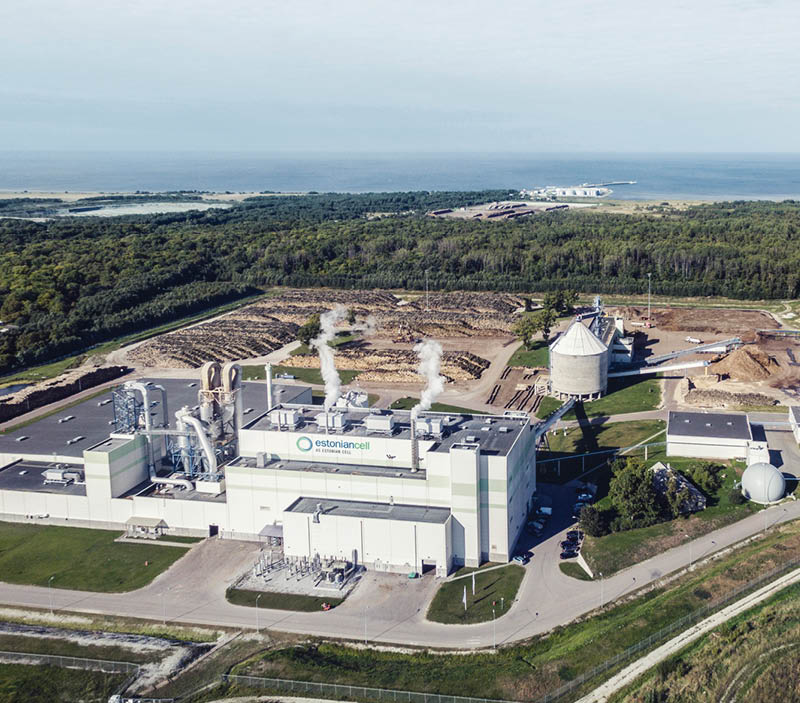
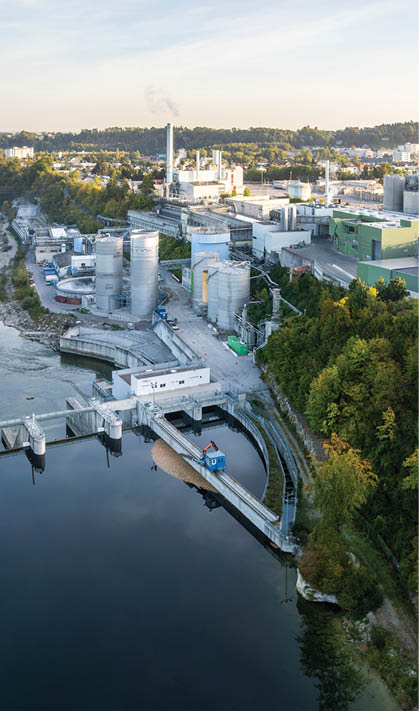
PM: Circularity is often presented as an inherent strength of the paper industry. How is this reflected in your operations?
SH: We do not regard residues as waste by default. Our first question is whether a material can remain in productive use, either within our own processes or through another recovery route. And the material recovery always comes before the thermal recovery. More than 92% of the waste generated across the group is materially recycled or thermally recovered.
PM: What level of investment is required to move away from fossil fuels?
SH: Our annual spending on this transition is quite high, although we do not disclose commercially sensitive figures for individual projects. Decarbonisation projects compete for capital with investments needed to maintain and modernise our mills. Their viability therefore depends heavily on energy prices, carbon costs, infrastructure, public funding and regulatory stability.

Responsible forest management and credible supply chains are indispensable for the long-term acceptance of fibre-based products.
PM: Where do you see the greatest barriers to faster progress?
SH: The biggest obstacle is not a lack of ambition or technical ideas. It is uncertainty about the conditions under which long-term investments must operate. Industrial assets are built for decades, while policies, energy markets and support schemes can change within a few years. Before committing capital, we need confidence that the required infrastructure, funding and incentives will be available.
PM: What are your main environmental priorities up to 2030?
SH: Our priorities cover climate, water and waste. We aim to reduce absolute Scope 1 and Scope 2 emissions by 42% compared with 2021, cut specific freshwater use by 25% and reduce specific waste by more than 10% at each mill. The climate target is the most challenging because the next reductions will require substantial investments and more fundamental changes to energy and production infrastructure.
Also Read: Paper Mart Emagazine Oct-Nov, 2026
PM: What will determine the next major step in the Heinzel Group’s transition?
SH: There will not be one universal solution for every mill. We are assessing a portfolio of technical options because each site has different processes, infrastructure and energy requirements. Some solutions are at pilot stage, some are under consideration and others are already being implemented. The next major step will depend on whether technology, infrastructure, financing and regulation will be aligned.