ANDRITZ has introduced two biomass-based technologies, LimeBio-Gas and LimeBio-Powder, to help pulp mills eliminate fossil fuels from lime kiln operations and achieve up to 100% fossil-free production. The solutions convert biomass side streams, including bark, chip screening fines, rejects and other mill residues, into alternative kiln fuels, offering a practical route to lower carbon emissions, reduce dependence on volatile oil and gas prices and improve energy independence. According to ANDRITZ, the technologies can replace fossil fuels without compromising production output or product quality, with typical payback periods of two to three years for full turnkey installations.
Nov 19, 2026
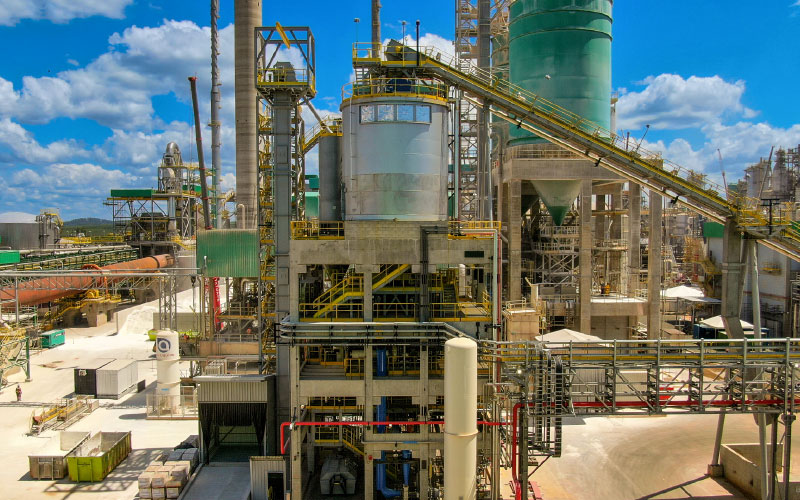
Global pulp producers have long committed to phasing out fossil fuels, a drive intensified now by energy-price volatility, sustainability targets, and increasing governmental regulations.

Pulp mills face a clear imperative: the lime kiln is typically the single largest consumer of fossil fuel – both oil and natural gas. Replacing these fuels with biomass-derived alternatives is no longer optional; it is essential for decarbonization, cost control, and energy independence. ANDRITZ offers two proven, dedicated solutions: LimeBio-Gas gasification and LimeBio-Powder biomass powder burning, which enable mills to achieve 100% fossil-free lime kiln operation quickly, efficiently, and economically.
Mika Mussalo, Head of Product Management, White Liquor Plant, ANDRITZ, said “Pulp mills are ideally positioned to adopt these technologies quickly and painlessly. Generally, the mills already generate bountiful amounts of biomass side streams, including bark, chip screening fines, rejects, and other residues, perfect fuels for ANDRITZ defossilization technologies. Gasification and powder-burning turn these local resources into kiln fuel at roughly 50% of the cost of fossil alternatives, while producing biogenic CO₂ that supports carbon-capture strategies. The result is immediate defossilization of the kiln, without compromising output or product quality.”

Watch: Top Paper Companies 2023
LimeBio-GAS: TURNING SIDE STREAMS INTO HIGH-VALUE FUEL
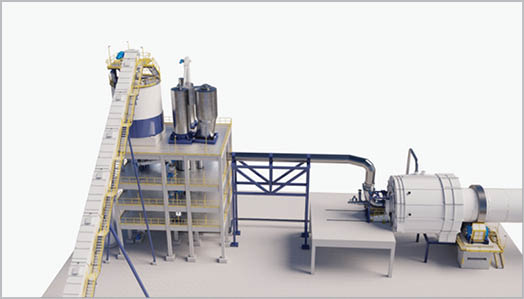
LimeBio-Gas uses ANDRITZ’s proven Circulating Fluidized Bed (CFB) gasification technology to convert solid biomass, including lower-quality or reject streams unsuitable for direct combustion, into a clean product gas. The process dries the fuel with mill waste heat, gasifies it at atmospheric pressure, separates non-process elements (NPEs) to protect the lime cycle, and feeds the gas directly into a multi-fuel lime kiln burner. The gas burns with the high flame temperatures (~2,000°C) required for efficient lime reburning, temperatures currently unattainable with practical electric alternatives.

ANDRITZ gasification references include Metsä Fibre Joutseno mill in Finland, Chenming mills in China, Klabin’s Ortigueira mill in Brazil and Suzano’s Ribas do Rio Pardo mill (two units), also in Brazil. In each case, these mills have replaced 100% of the fossil fuel in one or more kilns while maintaining full production.
Topias Kuusrainen, Technology Manager, White Liquor Plant, ANDRITZ, said, “Gasification excels in large-scale operations. Individual plants range from 48 MW to 115 MW of product gas, making the technology perfect for modern pulp lines. ANDRITZ’s installed base and projects under execution already exceed 1,000 MW of gasification capacity worldwide.”
LimeBio-POWDER: SIMPLE, DIRECT POWDER COMBUSTION
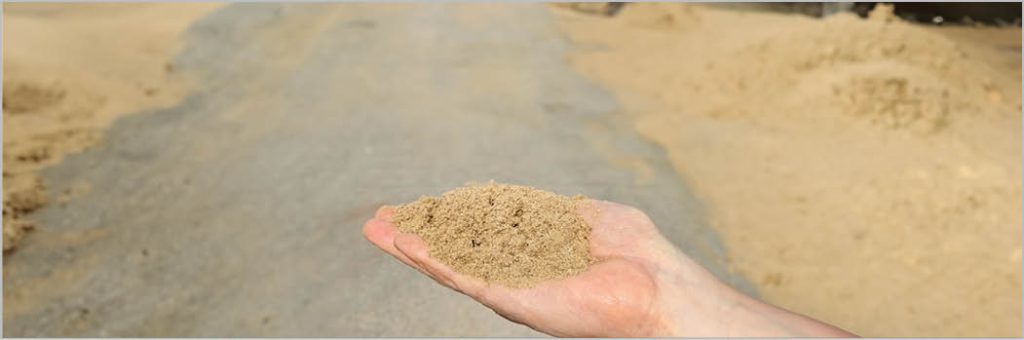
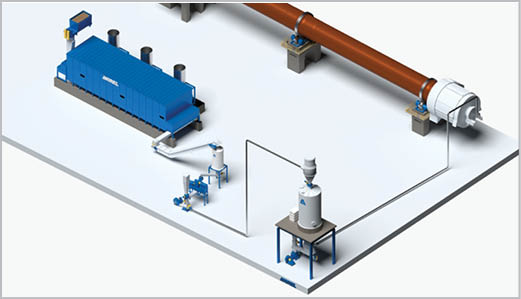
For mills with access to cleaner, low-ash biomass such as pellets or chips, LimeBio-Powder offers an even easier route to eliminating the use of fossil fuels. High-quality biomass is refined into a fine powder using ANDRITZ’s advanced milling technology, then pneumatically dosed and injected into a dedicated burner. The system integrates seamlessly with existing kilns: the old fossil-fuel burner is swapped out and the new powder system commissioned, often during a single shutdown.
“LimeBio-Powder delivers competitive capital costs and is particularly attractive for smaller or mid-sized kilns,” adds Kuusrainen. “Operation is similar to fossil fuel lime kilns, which means there is no steep learning curve for the operators.” ANDRITZ has supplied LimeBio-Powder technology to SCA Östrand in Sweden which has been in operation since 2011, with excellent long-term results, and project deliveries to a next-generation plant are ongoing in Europe. Because it burns dry, refined powder directly, the solution is highly automated, operator-friendly, and requires minimal additional infrastructure.
IMMEDIATE BENEFITS AND RAPID PAYBACK
Both technologies deliver instant impact. Once commissioned, they replace 100% of the kiln’s fossil-fuel consumption with no ramp-up period and no gradual transition. Mills achieve a dramatic drop in fossil-fuel use and CO₂ emissions on day one.
“Customer fuel-bill savings across the current installed base are estimated at 168–420 MEUR annually,” says Mussalo. “Payback periods are typically 2–3 years for full turnkey installations, depending on local fossil-fuel prices, biomass availability, and carbon pricing.” The numbers are impressive when it comes to environmental and economic savings utilizing ANDRITZ defossilization technologies:
- The installed base and ongoing projects for ANDRITZ gasification and powder burning technologies add up to more than 1,200 MW.
- As 1,200 MW replaces natural gas and heavy fuel oil, the avoided fossil CO₂ emissions add up to more than 1.5 MTPA — equal to more than the annual emissions of 330,000 petrol cars.
- ANDRITZ customers combined will save 168–420 MEUR annually on fossil fuel costs.
The economics are compelling even without subsidies. Biomass is often sourced internally for pulp mills at low or negative cost; external pellets remain competitive in most markets. Mills also gain energy security, reduced exposure to volatile oil and gas prices, and an enhanced reputation as sustainable producers.
ANDRITZ’S INTEGRATED ADVANTAGE
What sets ANDRITZ apart is its position as a single- source supplier of the entire white liquor plant, including the lime kiln itself. ANDRITZ lime kilns are purpose-designed for pulp mill operations and have decades of proven performance with gasification and biopower systems. This integration optimizes air flows, heat balances, and process stability and customers benefit from one point of contact for engineering, delivery, commissioning, and lifelong service, backed by local presence worldwide.
Implementation is straightforward. Delivery times of 12–18 months are common, with start-up often achieved during a routine annual shutdown. The technologies suit both retrofits of existing mills and greenfield projects. “If the biomass is available, it’s virtually plug-and-play,” adds Kuusrainen.
GASIFICATION – PROVEN PERFORMANCE
Sun Paper, Klabin, and Suzano have all publicly highlighted the reliability and sustainability gains from ANDRITZ gasification. Sun Paper in China continues to expand its gasification fleet, citing short delivery schedules and rapid ROI.
As part of its major pulp project at Nanning, Guangxi, China, Sun Paper recently started up an integrated white liquor plant including a lime kiln with a gasification plant for energy-efficient and fossil fuel operation. Fei Da, Recovery Island Project Director at Nanning Sun Paper says, “We have full confidence in ANDRITZ’s chemical recovery technology and equipment. We have a long history of cooperation and experience, and the project’s successful start-up and rapid achievement of production verified our choice of ANDRITZ technology.”
Klabin’s Puma II project in Brazil included a 51 MW gasification plant with a multi-fuel lime kiln burner and handling equipment with auxiliaries. Leonardo Scanavini, Recovery Area Specialist for Klabin Puma II says, “By replacing 100% of the heavy fuel burned in one of the mill’s lime kilns the ANDRITZ gasification plant significantly reduces the mill’s carbon footprint. The current lime kiln production remains at 650 t of reburnt lime per day.”
For Suzano’s giant Ribas do Rio Pardo project in Brazil, ANDRITZ supplied a complete white liquor plant with two gasification plants, enabling full fossil-free operation of the lime kilns. Mauricio Miranda, Pulp Industrial Director at Suzano says, “As a new energy model in the pulp industry, the biomass gasification plant produces renewable fuel for the lime kilns, where fuel oil, derived from petroleum, is replaced by a syngas (Syngas), produced from biomass.
“The technology results in energy-cost savings of more than 82% for lime kilns in addition to a 97% reduction in fossil fuel consumption, contributing to the reduction of greenhouse gas emissions in the operation”.
Also Read: Paper Mart Emagazine Oct-Nov, 2026
ANDRITZ TECHNOLOGY TO ACCELERATE DECARBONIZATION ROADMAPS
Mussalo concludes, “As pulp producers accelerate their decarbonization roadmaps, ANDRITZ LimeBio- Gas and LimeBio-Powder technologies provide the fastest, most practical path to fossil-free lime kilns.”
“With over 1,000 MW of gasification capacity delivered or under way, proven references on multiple continents, and payback periods that make investment decisions straightforward, these technologies are not just viable – they set the new standard.”
The message from the mill floor is clear – the side streams are already there, the technology is ready, and the economics work. Pulp mills that act now secure both environmental leadership and a significant competitive edge.