

Papermaking remains a complex process, with persistent variability across stock preparation, basis weight control, moisture profiling, refining, headbox consistency, drying and reel operations. In an exclusive interaction with Paper Mart, Mr. Suresh Babu Thallapaneni, Vice-President – Process Excellence, Kuantum Papers Limited, discusses the shift from traditional PID loops towards integrated and intelligent automation through APC, MPC, digital twins, AI/ML, machine vision, online measurement, smart instrumentation and real-time analytics. He highlights their role in strengthening process stability, quality consistency and runnability, while improving energy and raw material utilisation. Drawing on a recent mill automation modernisation project, he outlines the benefits of APC across pulp and paper operations, including improved basis weight consistency, reduced quality variability, lower waste generation and increased OEE.

Paper Mart: Where does process variability remain most persistent in paper manufacturing today, and how does it affect quality and operating performance? Please tell us the process stages or parameters where tighter stability can deliver the greatest measurable gains.
Suresh Babu Thallapaneni: Papermaking is a complex process, and in our experience, the most persistent variability is usually seen in stock preparation, basis weight control, moisture profile, refining, headbox consistency, drying and reel operations. Each of these stages has a direct influence on sheet formation, strength, grammage, and runnability. Even a small fluctuation can eventually show as a quality issue or an efficiency loss.
In stock preparation, variability in fibre quality and furnish composition leads to inconsistent bonding and drainage behaviour. Refining adds another layer of complexity, as uneven energy input alters fibre fibrillation, affecting tensile strength and surface properties. At the headbox, fluctuations in consistency can cause streaks and poor formation, undermining uniform fibre distribution across the sheet. Basis weight control is equally important, because deviations in grammage not only affect product quality but also increase raw material costs.
Moisture management is another persistent challenge. An uneven Cross-Direction (CD) moisture profile results in curl, cockle and dimensional instability, while variability in drying affects sheet strength and energy consumption. Reel operations, meanwhile, require precise tension and winding control to minimise breaks, wrinkles and defects that can compromise downstream processing. Machine speed stability ties all these factors together as fluctuations in speed alter fibre orientation, drying balance, and reel quality, making stability a cornerstone of smooth operations.
In practical terms, the greatest gains come from improving overall stability rather than optimising individual parameters in isolation. Consistency, refining, basis weight, moisture and CD profile control need to work together, supported by stable machine speed and reel operation. When these variables are tightly controlled, mills can achieve better sheet uniformity, fewer breaks, improved raw material and energy utilisation and more predictable production.
[bsa_pro_ad_space id=16]
Watch: Top Paper Companies 2023
PM: How has the approach to controlling process variability changed in recent years? In other words, how are mills moving beyond conventional automation and feedback control to achieve greater process stability? Please explain with examples.
SBT: Over the last few years, papermaking mills have increasingly moved beyond traditional PID loops toward a more integrated approach built around advanced process control (APC), model predictive control (MPC), digital twins and real-time analytics. The real advantage is that these platforms analyse multiple process variables simultaneously, which helps mills identify disturbances before they begin to affect production.
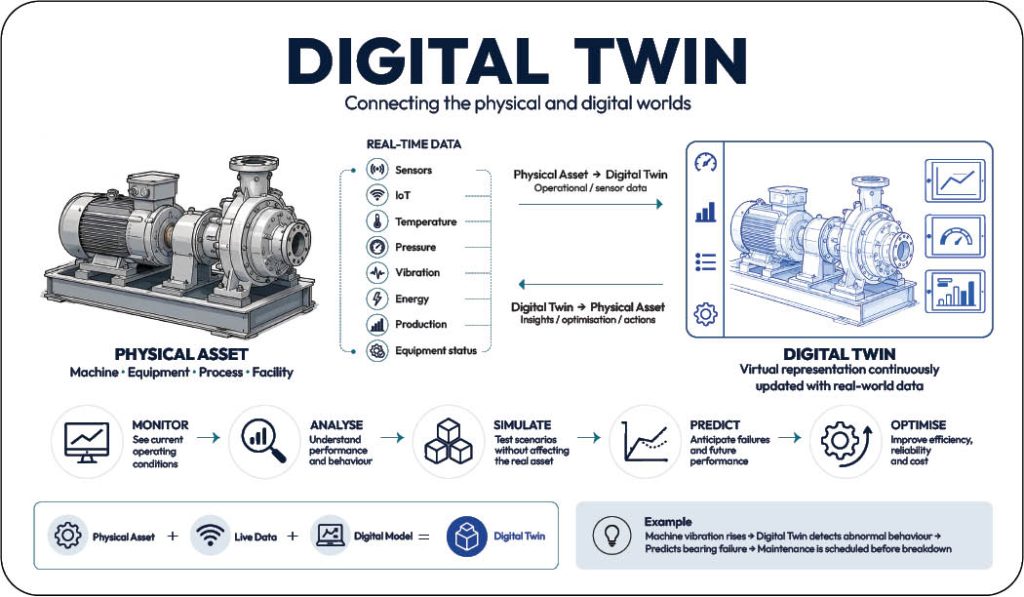
In practical terms, APC and MPC systems can adjust refining energy, chemical dosing and stock consistency based on real-time feedback from sensors and predictive models. Instead of waiting for deviations in sheet properties to appear, the system anticipates changes in fibre quality, furnish composition or machine speed and can make the required correction instantly. Digital twins also allow operators to simulate scenarios, test control strategies and forecast outcomes without disrupting actual production. When these tools are integrated with real-time analytics, operators get a clearer view of moisture profiles, CD basis weight variations and drying efficiency, enabling precise interventions that reduce variability.
The shift, therefore, is not simply about adding more automation. It is about using connected, data-driven systems to understand the process better, respond earlier and keep improving control over time.
PM: How are Advanced Process Control and Model Predictive Control being applied to reduce process variability? Where have they delivered measurable gains?
SBT: Advanced Process Control (APC) and Model Predictive Control (MPC) are becoming an important part of modern papermaking, going beyond traditional PID-based systems. These advanced strategies are now widely applied in stock preparation, paper machines, recovery boilers and energy systems. The key advantage of MPC is that it uses dynamic process models to look ahead and predict how the system is likely to behave. Rather than reacting after a deviation has already occurred, MPC proactively calculates optimal control actions, balancing multiple variables and constraints simultaneously.
In stock preparation, MPC helps maintain consistent fibre quality by adjusting refining energy and chemical dosing in real-time, based on incoming furnish variability. On paper machines, it stabilises basis weight and moisture profiles by coordinating headbox consistency, drying sections and CD profile actuators. Recovery boilers benefit from MPC through improved combustion stability, reduced emissions, and optimised steam generation. In energy systems, predictive control balances steam, electricity and heat loads, minimising fuel consumption while maintaining reliability.
These outcomes not only improve profitability but also strengthen competitiveness in a market where customers demand consistent quality and sustainable practices.
PM: What practical role are AI and machine learning playing in predicting and correcting process deviations before they affect production or quality?
SBT: Artificial Intelligence (AI) and Machine Learning (ML) are transforming papermaking by enabling mills to detect complex patterns that conventional control systems often miss. They excel at analysing large volumes of process data, identifying subtle correlations and predicting outcomes that would otherwise remain hidden.
One of the most impactful applications is predictive maintenance. By analysing vibration, temperature and operational data, AI models can forecast equipment failures before they occur, reducing unplanned downtime and extending asset life. Break prediction is another practical use case; ML algorithms learn from past break events, identifying precursors such as tension fluctuations or moisture imbalances and alerting operators in advance to prevent costly interruptions.
Beyond early detection, AI-driven optimisation continuously fine-tunes process parameters such as refining energy, chemical dosing and drying profiles to achieve maximum efficiency with minimal variability. By integrating these insights into real-time control systems, mills can correct deviations proactively rather than waiting for quality issues to appear in finished rolls.
PM: How are online measurement, smart instrumentation, machine vision, and QCS improving real-time detection and control of process variation? Where do significant measurement or data gaps still remain?
SBT: Online sensors, Quality Control Systems (QCS), machine vision, and smart instrumentation have significantly improved process visibility by providing continuous monitoring of critical sheet properties such as basis weight, moisture, caliper, formation, defects and colour. These systems deliver real-time feedback, enabling operators to maintain tighter control over variability and ensure consistent product quality.
Machine vision is particularly useful for the early detection of sheet defects and process abnormalities. By analysing high-resolution images of the moving sheet, these systems can identify issues such as holes, streaks, wrinkles or colour variations that may not be visible to the human eye at production speeds.
There are, however, still some important gaps. One of the most persistent challenges is the real-time characterisation of fibre quality. While sensors can measure sheet properties, they often lack the ability to fully capture fibre morphology, bonding potential or variability in furnish composition in real-time. Similarly, real-time chemistry monitoring remains limited. Precise control of wet-end chemistry, including retention aids, sizing agents and charge balance, is critical for sheet formation and strength, yet continuous online measurement of these parameters is still evolving. Another gap is the integration of different measurement sources onto one platform.
Mills often operate with multiple standalone systems, and without seamless integration, operators may struggle to interpret data holistically or act on it efficiently.
The next step is to bridge these gaps through advanced analytics, AI-driven integration, and unified dashboards that combine mechanical, chemical and optical measurements into a single decision-making platform. By achieving this, mills can move closer to true predictive control, where variability is minimised, efficiency is maximised, and quality is consistently assured across every roll produced.
PM: Drives and motion control directly influence speed, tension, synchronisation, and machine stability. How are newer drive and control technologies helping mills reduce variability across the paper machine and associated processes?
SBT: In recent years, mills have adopted variable-speed drives, digital motion control systems and high-speed communication networks. Together, these technologies improve synchronisation, tension control and overall machine stability, which are critical for maintaining consistent paper quality and efficient production.
Traditional fixed-speed systems had limited flexibility in dealing with variability in tension and synchronisation, leading to sheet breaks and uneven quality. Modern drives and motion control systems, by comparison, provide precise, real-time adjustments that keep the entire machine running in harmony. They allow each section of the paper machine to operate at optimal speeds, ensuring smooth transitions between wet end, press section, drying and reel operations. Digital motion control systems further enhance this by coordinating multiple motors and actuators simultaneously, ensuring that every part of the machine responds instantly to process changes. High-speed communication networks tie these systems together, enabling rapid data exchange and synchronisation across the entire machine line. In practical terms, this creates a more stable operating environment in which disturbances are quickly corrected before they impact production.
PM: How are automation, advanced control, and integrated process data helping mills achieve more consistent paper quality? Which quality parameters have benefited most?
SBT: One of the biggest changes in modern papermaking is the ability to bring together process data, quality measurements and advanced control strategies into a unified platform. This provides mills with a more practical way to maintain stable operating conditions by continuously monitoring multiple variables and coordinating corrective actions across the entire machine.
The quality parameters that benefit most typically include basis weight, moisture, caliper, formation, ash content, strength properties and surface quality. Basis weight control ensures grammage uniformity, reducing raw material waste and improving product consistency. Moisture stability minimises curl, cockle and dimensional defects, while caliper control ensures thickness uniformity across the sheet. Formation improvements enhance fibre distribution, leading to better printability and strength. Ash content optimisation balances filler usage with sheet performance, while strength properties such as tensile strength and burst strength are stabilised through precise refining and chemical dosing. Surface quality, including smoothness and gloss, benefits from tighter control of coating and calendaring operations.
When these measurements are integrated with advanced control strategies such as Model Predictive Control (MPC) and Advanced Process Control (APC), mills can anticipate disturbances and adjust operations proactively. For example, refining energy and chemical dosing can be automatically tuned based on incoming furnish variability, while drying and CD profile actuators respond dynamically to moisture imbalances. This predictive capability reduces sheet breaks, improves runnability, and enhances overall machine stability.

Successful implementation requires strong leadership, comprehensive workforce training and a clear digital transformation strategy
PM: As control systems become more intelligent, how is the operator’s role in process control and decision-making changing?
SBT: As control systems become more intelligent, the role of operators is undergoing a fundamental transformation. Instead of constantly making manual adjustments to valves, drives or setpoints, operators are increasingly taking on the role of process supervisors and decision-makers. This shift is driven by the rise of intelligent automation, which now handles routine adjustments and stabilises day-to-day operations. Automated systems continuously monitor variables such as basis weight, moisture, caliper and formation, applying corrective actions in real-time. As a result, operators are freed from repetitive manual tasks and can focus on higher-level responsibilities such as optimisation, exception management and continuous improvement.
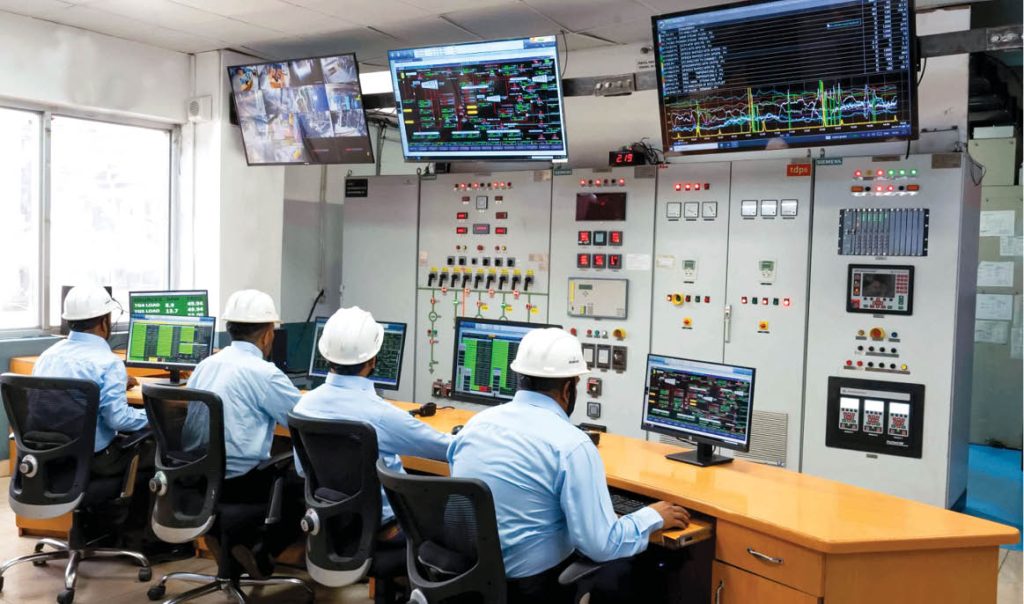
Data-driven dashboards are one of the main enablers of this change. These platforms consolidate information from online sensors, QCS, machine vision systems and advanced control strategies into a single, operator-friendly interface. Instead of interpreting fragmented data from multiple sources, operators now have a holistic view of the process, complete with predictive analytics and actionable insights. This helps them make faster, better-informed decisions, whether that means fine-tuning energy, adjusting chemical dosing or responding to anomalies in moisture profiles and machine speed.
PM: What typically prevents a mill from achieving the full benefits of advanced automation and intelligent control? Please tell us more about issues such as legacy systems, data quality, system integration, instrumentation, workforce capabilities, etc.
SBT: While the potential is significant, legacy automation remains a major obstacle because older platforms often lack the flexibility, connectivity and computational power needed to support advanced process control, model predictive control or AI-driven optimisation. These outdated systems can limit integration with newer technologies and slow down digital transformation efforts. Poor instrumentation and inconsistent data quality also undermine the reliability of measurements, making it difficult to achieve stable control or predictive insights. Without accurate, real-time data, even the most sophisticated algorithms cannot deliver meaningful improvements.
Another common barrier is the lack of system integration. Many mills operate with fragmented platforms where data, quality measurements and maintenance information are stored in separate silos. This prevents operators from having a unified view of operations and limits the effectiveness of advanced analytics. Cybersecurity concerns add further complexity, as increased connectivity and cloud-based solutions expose mills to potential risks. Ensuring secure data exchange and protecting critical infrastructure are essential for building trust in digital systems.
Equally important are human factors. Limited digital skills among the workforce can slow adoption, as operators and engineers may be unfamiliar with advanced analytics, dashboards or AI-driven decision support. Inadequate change management adds to the challenge because cultural resistance to new technologies can prevent successful implementation. Employees may be hesitant to rely on automation or may fear that digitalisation will reduce their roles, unless clear communication and training are provided.
From our experience, successful implementation requires strong leadership, comprehensive workforce training and a clear digital transformation strategy. Leadership must articulate a vision that emphasises the benefits of automation and ensures that employees are empowered rather than displaced. Training programmes should build digital literacy, enabling operators to transition from manual control to process supervisors and decision-makers.
Finally, a structured strategy ensures that investments in sensors, automation, and analytics are aligned with business goals, creating a roadmap for continuous improvement.
Also Read: Paper Mart Emagazine Aug-Sep, 2026
PM: Can you share a recent implementation that measurably reduced variability or improved quality consistency? What results were achieved, and where should mills prioritise investment next?
SBT: A recent mill automation modernisation project highlighted the tangible benefits of Advanced Process Control (APC) across both pulp and paper operations. In the pulp mill, APC was applied to bleaching processes, ensuring tighter control of chemical dosing and reaction conditions. This stabilised pulp quality and reduced variability in brightness and strength. On the paper machine, APC was used for furnish blend optimisation, balancing fibre types and filler content to achieve consistent sheet properties. Additionally, Quality Control System (QCS) optimisation improved basis weight and moisture uniformity, while machine condition monitoring provided predictive insights into mechanical health, reducing unplanned downtime.
The project resulted in improved basis weight consistency, reduced quality variability, reduced waste generation and increased Overall Equipment Effectiveness (OEE). By stabilising critical parameters, mills achieved smoother operations, fewer sheet breaks, and higher production rates. Waste reduction not only lowered costs but also supported sustainability goals, while enhanced OEE reflected better utilisation of assets and improved reliability across the production line.
Looking ahead, mills should prioritise AI-driven optimisation, which can identify relationships in process data and provide predictive recommendations beyond conventional control strategies. Digital twins will allow mills to simulate process scenarios, test strategies and forecast outcomes without disrupting actual production. Advanced analytics will further enhance decision-making by integrating historical and real-time data to identify root causes of variability. Finally, next-generation sensing technologies will close existing gaps in fibre quality characterisation and real-time chemistry monitoring, enabling even tighter control of furnish and wet-end conditions.
The shift, therefore, is not simply about adding more automation. It is about using connected, data-driven systems to understand the process better, respond earlier and keep improving control over time.